Accelerating value creation: strategic actions in the first 100 days post-acquisition
The first 100 days following an acquisition are critical for setting the stage for long-term initiatives related to product, portfolio, and supply chain changes. To achieve efficient results, it is essential to kick off these initiatives early in the value-creation process. However, depending on the product, R&D development cycles can extend from several months to even years, and switching suppliers often involves lengthy lead times for assessing candidates and validating their production processes.
By conducting our rapid product and portfolio technical assessment during the diligence phase, we can help define and plan value-creation measures that typically would not commence within the first 100 days. For instance, during a recent diligence review, we discovered that over half of the target's supply base would face increased tariffs on materials sourced from China. We assisted them in planning alternative suppliers immediately post-close, effectively mitigating tariff exposure within the first six months of ownership.
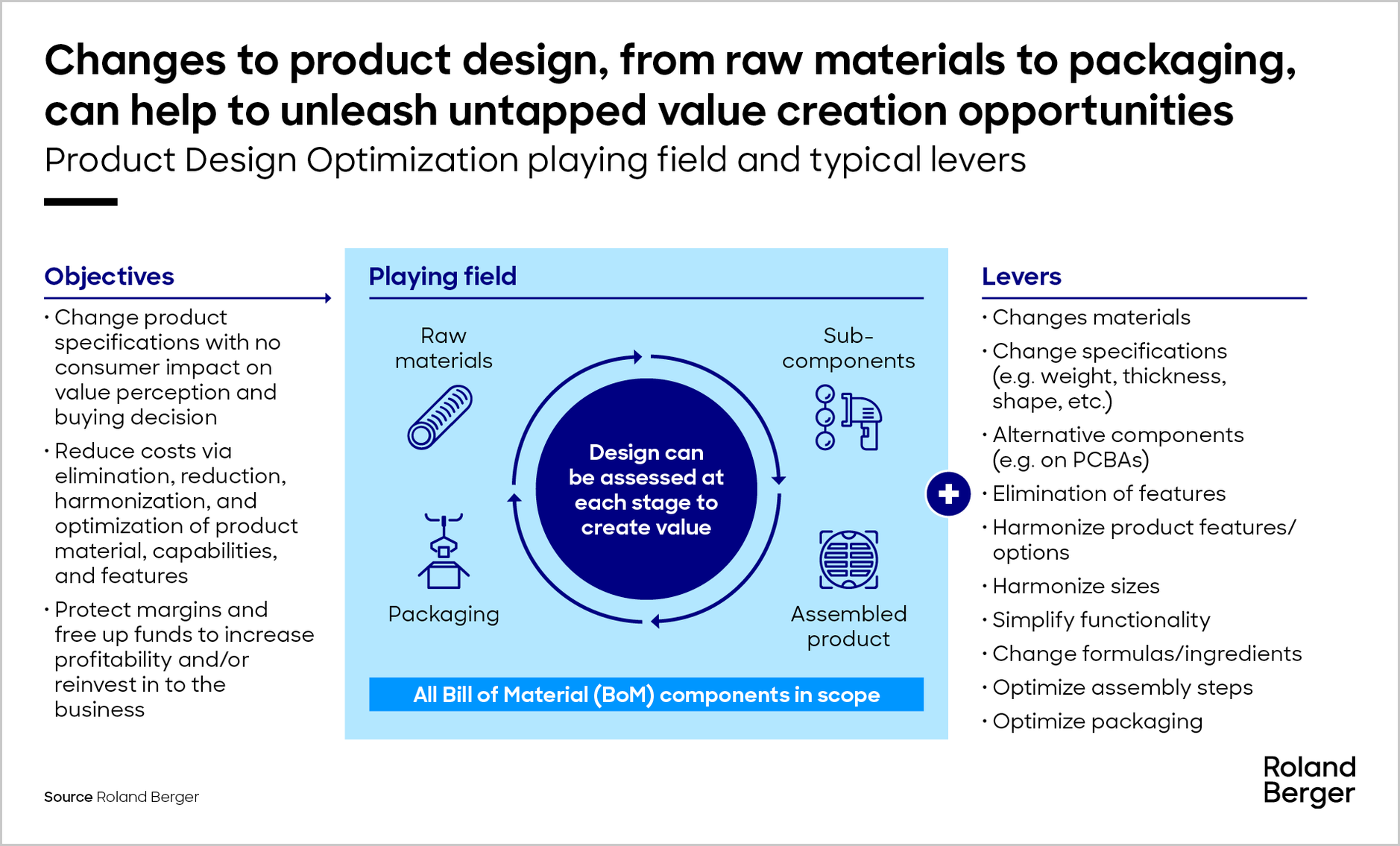
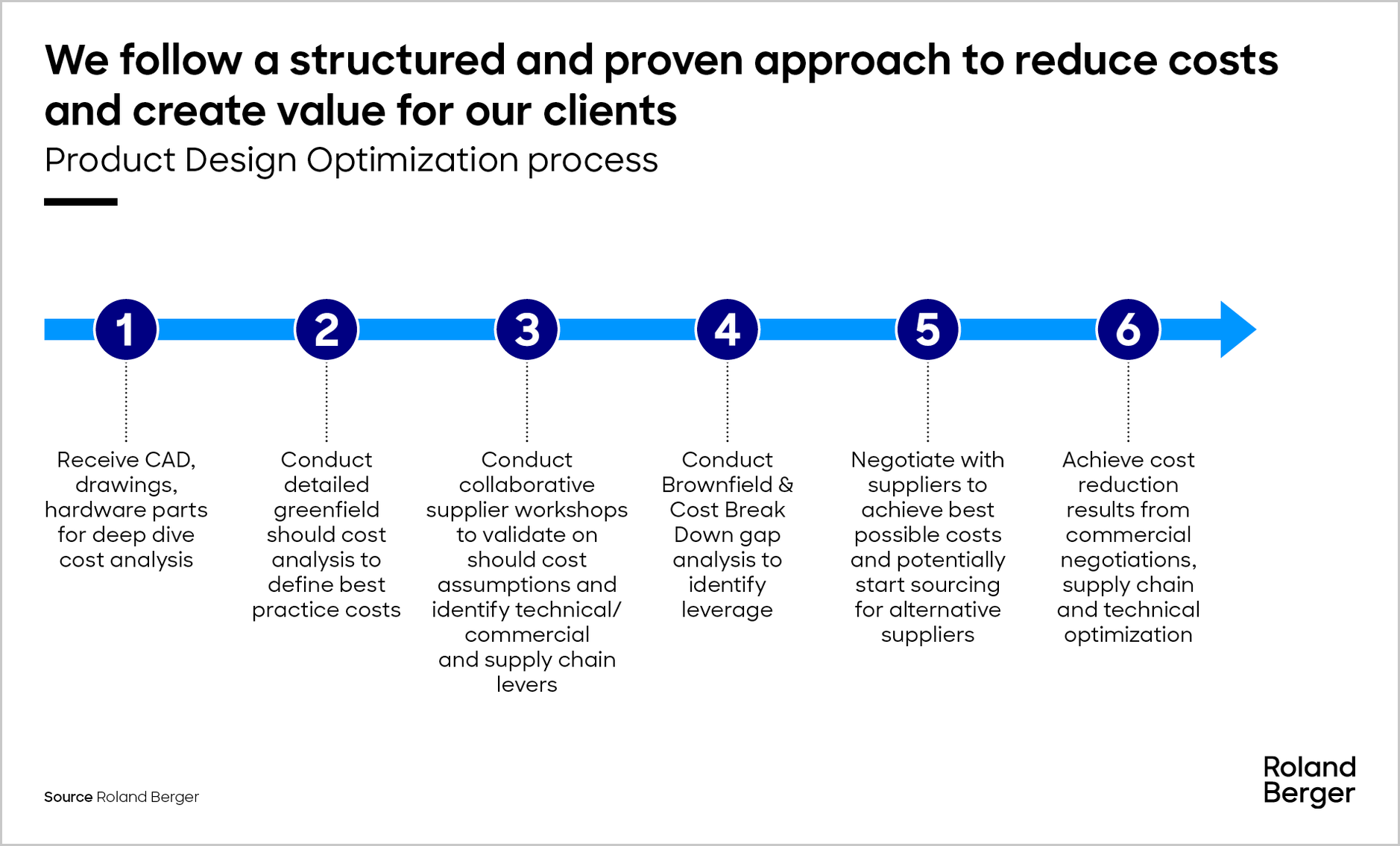
As the holding period begins, the focus shifts to implementing and sustaining these value-creation measures. Our team can support and lead these efforts by leveraging our value creation and performance improvement tools. From negotiating with suppliers toward achieving cost targets to collaborating with Engineering to optimize product specifications and materials, our experts possess deep technical knowledge that drives value capture.
A notable example of our impact occurred after diligencing a building technologies company. We identified that their entry-level offering was both overpriced and over-engineered compared to competitors. Following the deal closure, we worked closely with the new owners to benchmark against the competition and define a "best of best" new product concept. By initiating a dedicated team early in the holding period, we successfully assisted the client in launching a new product at 40% lower cost and in half the time, exemplifying the power of proactive value creation in the initial days of ownership.
Cultivating lasting value: the importance of product cost management in exit preparation
As companies prepare for exit, fostering a culture centered around continuous improvement in product cost management and optimization can significantly enhance long-term value. This cultural shift involves training and motivating both management and employees to adopt practices that enhance efficiency and reduce costs. By embedding these principles within the organization, companies can establish a robust foundation for sustainable growth.
Successful implementation of product cost improvements not only showcases a team's existing capabilities but also provides tangible experience that inspires trust in the repeatability of the process. This trust is crucial as it reinforces the organization's commitment to ongoing optimization and efficiency. Additionally, identifying further areas for improvement—especially those that may have been overlooked due to timing restrictions or the prioritization of other strategic levers—can amplify the existing momentum. This approach lends credibility to potential growth opportunities, making the company more appealing to prospective buyers.