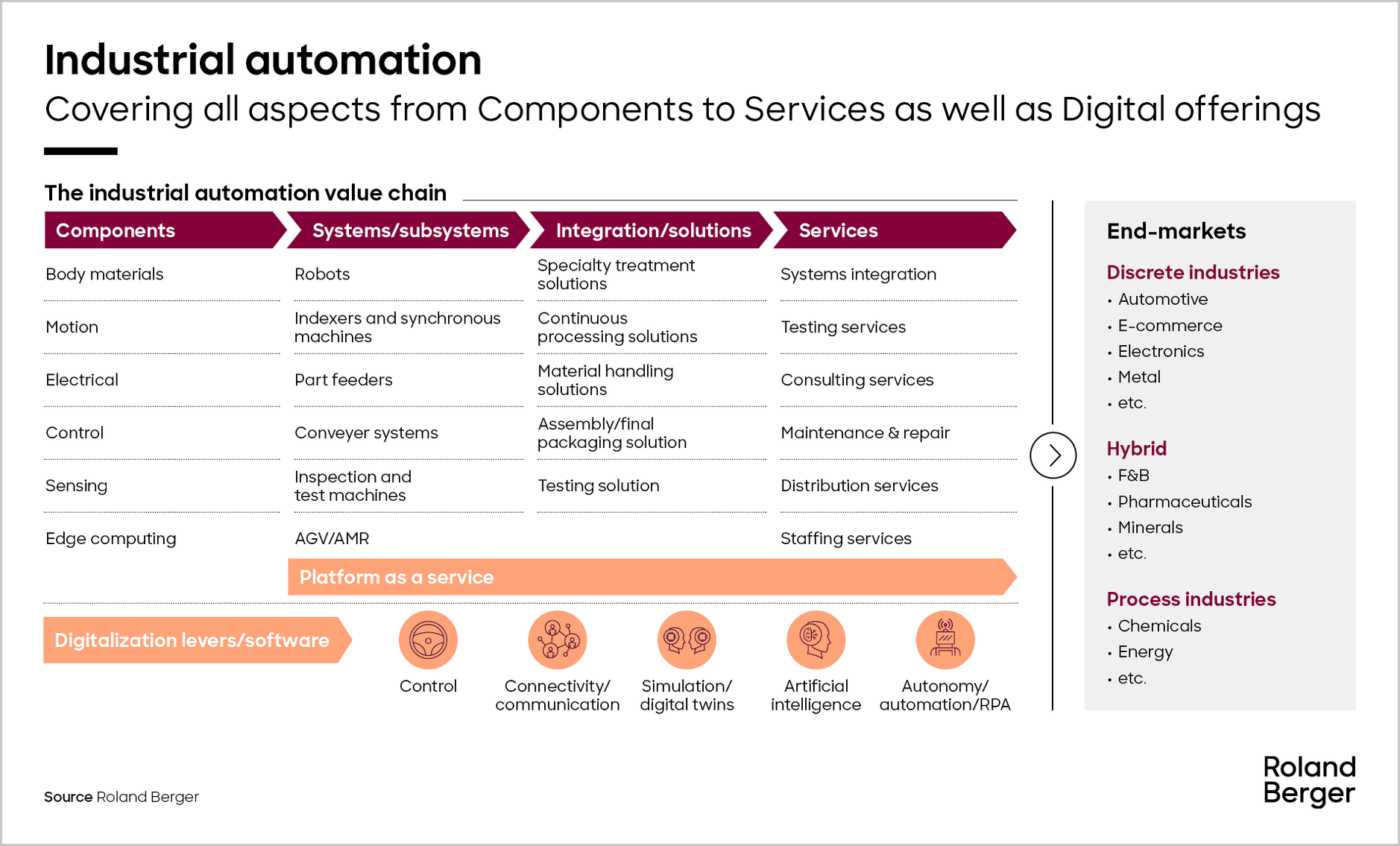
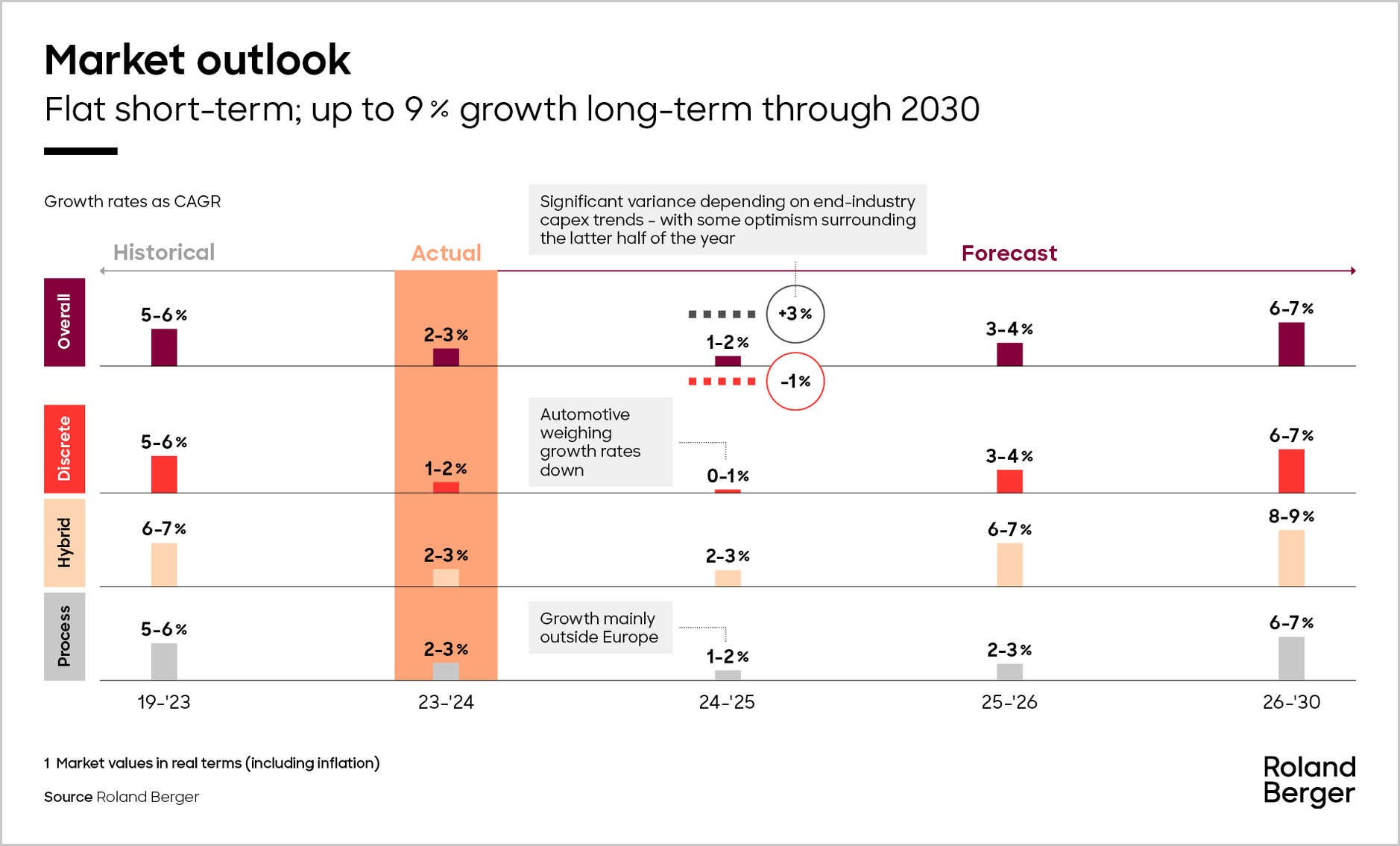
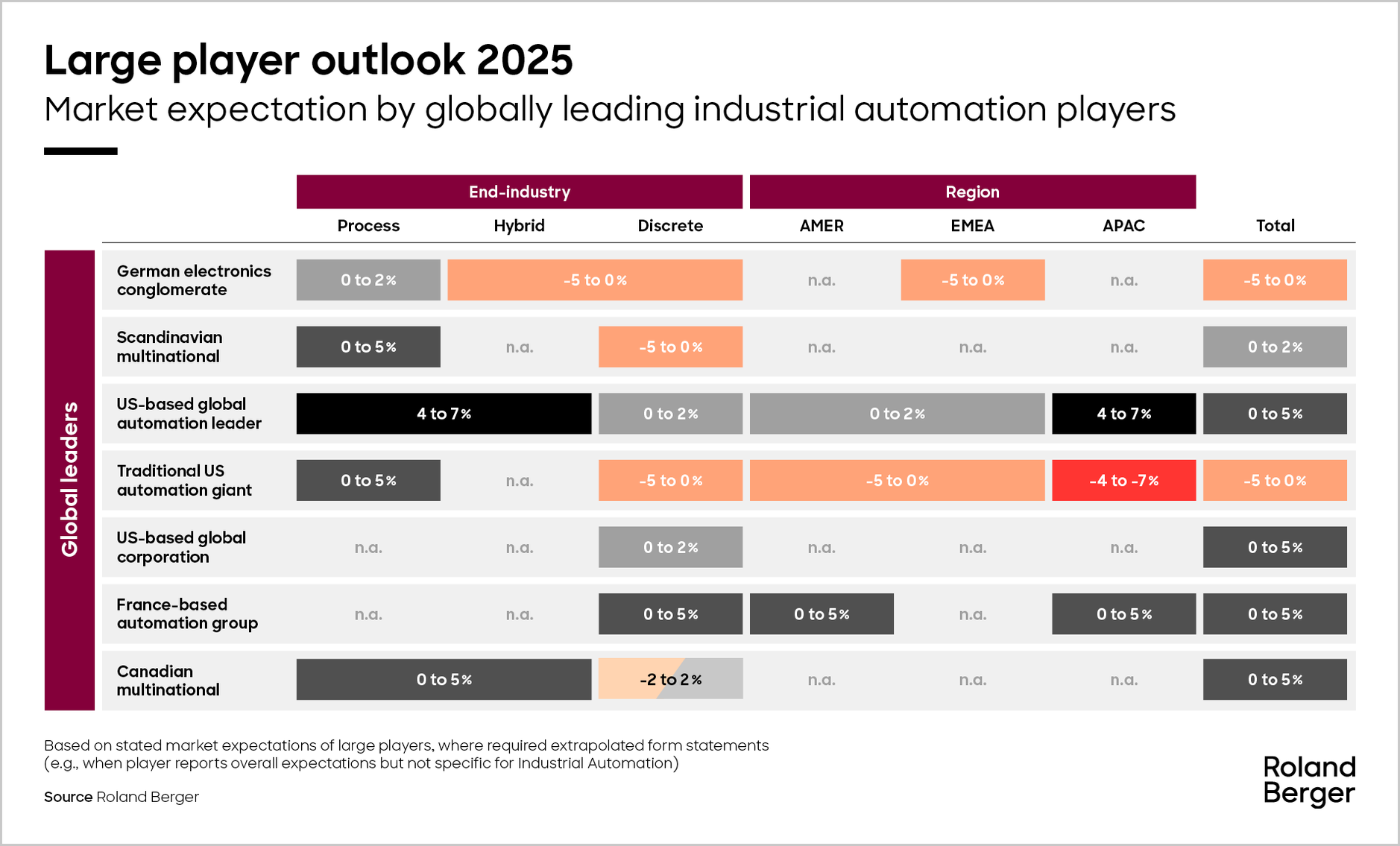
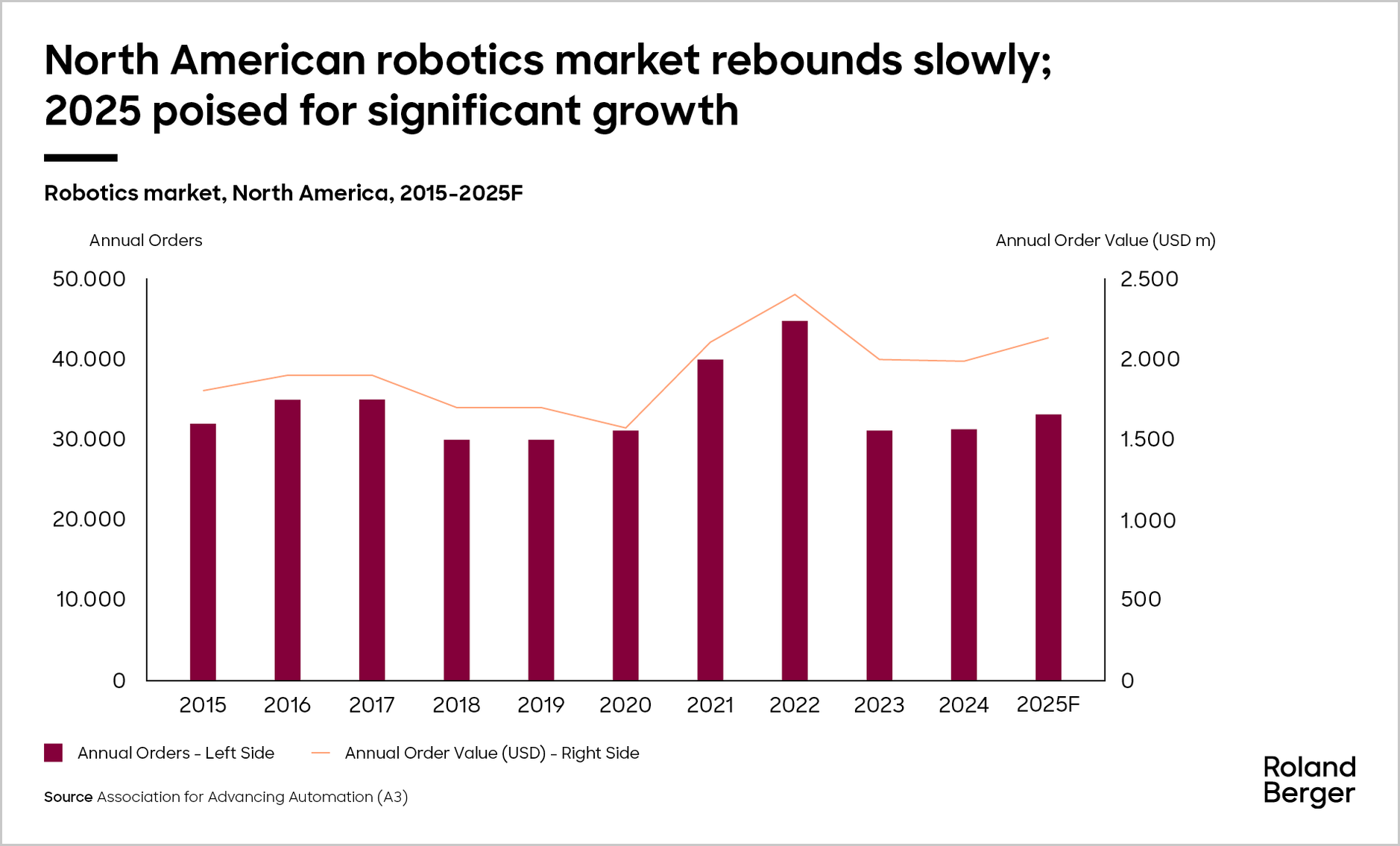
Within North America, the robotics, and overall industrial automation market, has seen some top-line challenges in the last several years. The discrete end markets have been hit particularly hard as buildout in these sectors has slowed, and in some cases, reversed. The near- to mid-term outlook however is strong, driven by a confluence of factors including aggressive reshoring initiatives, significant manufacturing investments, and strategic government support aimed at decoupling from China.
Companies are increasingly bringing production back to the U.S. or nearshoring to mitigate supply chain risks exposed by recent global disruptions and geopolitical tensions. This movement is particularly pronounced in critical sectors like semiconductors, electric vehicles, clean energy, aerospace, and pharmaceuticals, all of which are major adopters of advanced automation. Federal acts like the CHIPS and Science Act, the Inflation Reduction Act, and the Bipartisan Infrastructure Law are injecting hundreds of billions of dollars into domestic manufacturing, creating powerful tailwinds for automation adoption.
This surge in domestic manufacturing will fuel a robust demand for industrial robots, AI-driven systems, IoT solutions, and advanced control systems, despite potential short-term uncertainties from new tariff policies. The industry is poised for significant growth, with a focus on smart factories, digital transformation, and the development of a skilled workforce to operate these advanced technologies. Companies keen to seize the attractive opportunities that lie ahead must therefore act now to lay a firm and healthy foundation on which to profitably move forward.