Automation and robotics
No two technologies are more important to precision agriculture than solutions than
automation and robotics
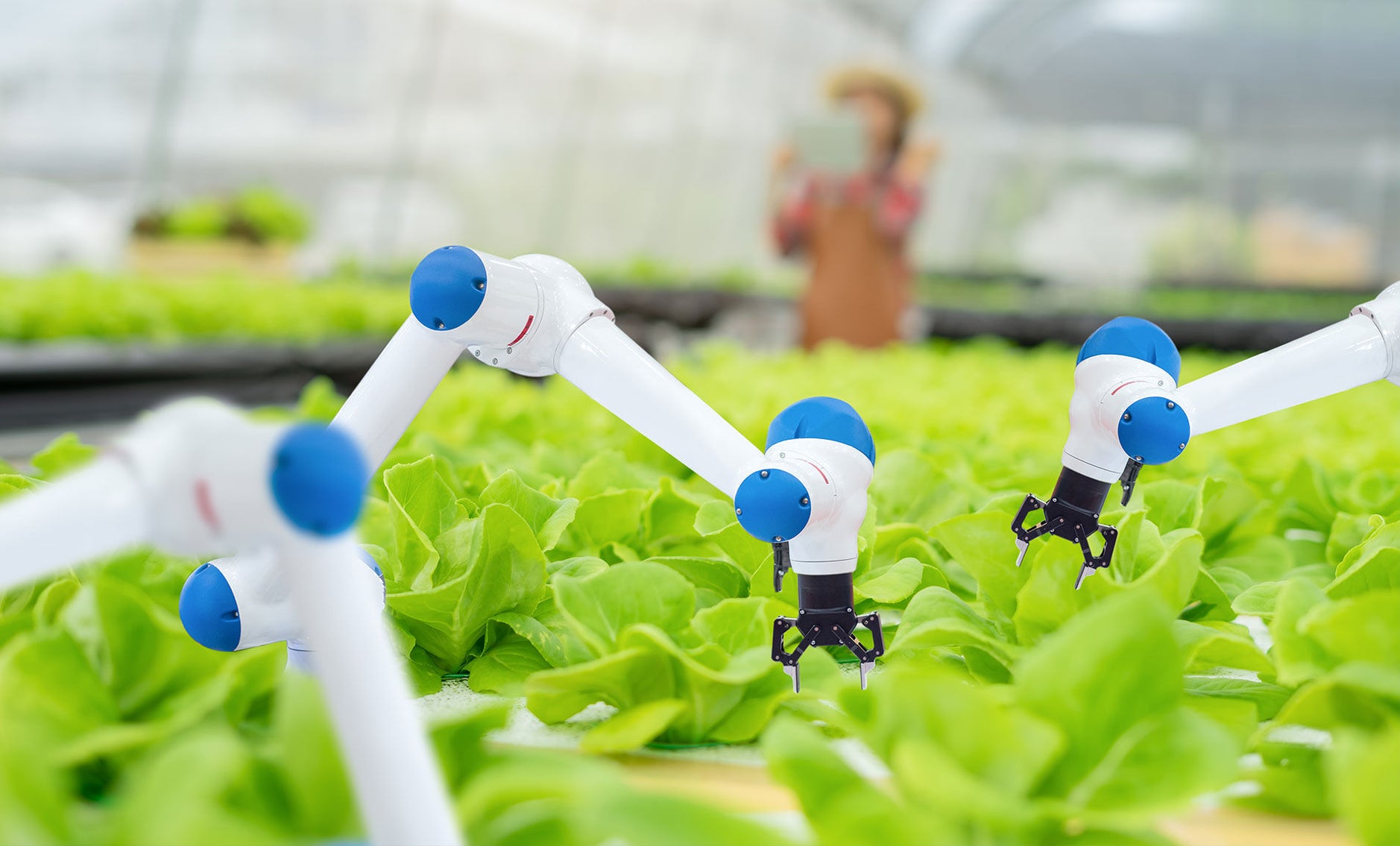
. For instance, in the vegetables and fruits domain, automation of pre-harvest, harvest assist, and post-harvest activities has a major impact on yield. This is especially pertinent as increasing inflation and regulation puts further
pressure on grower input costs
and administration.
Moving forward, we expect automation to redirect manual human labor towards more high-skill, technology related tasks. In a recent crop automation report by the Western Growers Association and Roland Berger, 50% of grower respondents indicated having employees dedicated to the integration of automation technology.
Notable progress has also been made in the commercialization of harvest automation. When comparing year-over-year survey data, automation start-ups have secured more funding, deployed more machines in the field, and increased paying customers. They have also helped to address labor availability issues. (Unfortunately, automation can’t solve all of the issues at once. Today’s strawberry production, for example, has shifted from Germany and France to Turkey, Poland, and select African countries for their cost advantages. But this can lead to higher logistics costs, which may offset any labor gains, while adding harmful emissions.)
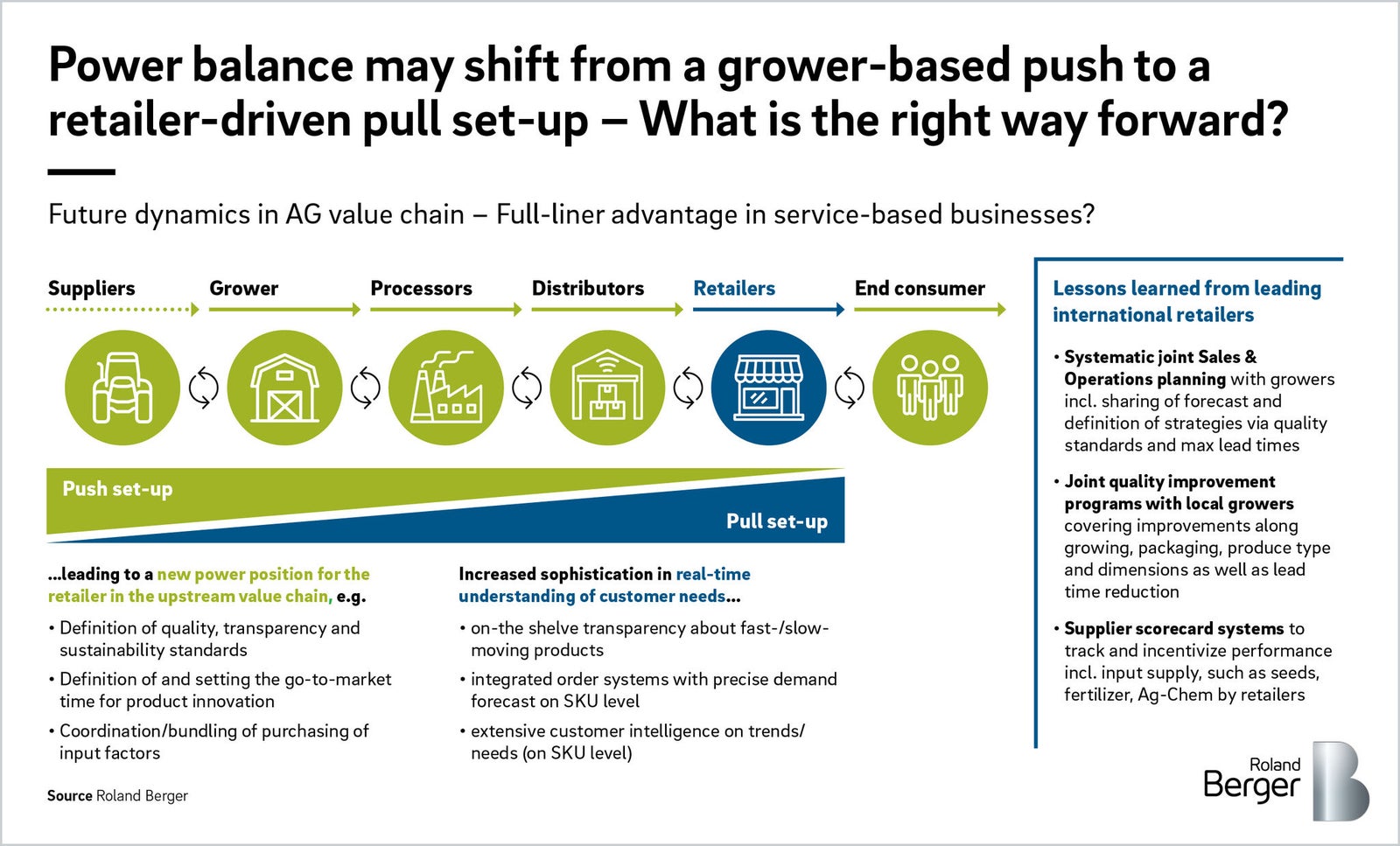
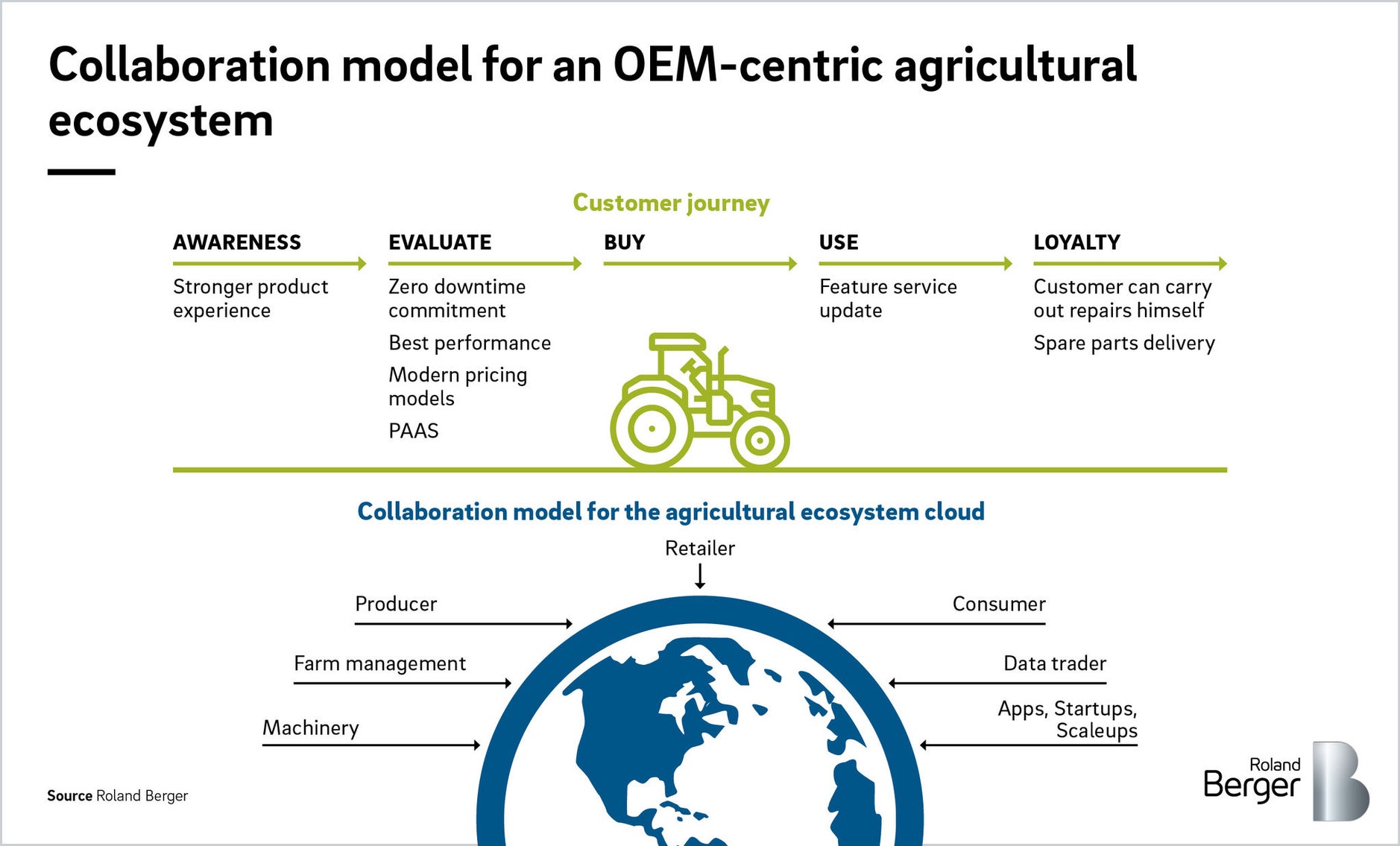
Additionally, swarm bots and automated tractors such as John Deer’s 8R are being used for better soil preparation and more harvesting hours to increase production. As is the case in many technology applications, autonomous services are also available in new business models. For instance, farmers can subscribe to the autonomous function of the 8R in a per hectare subscription model. In the long run, subscription-based models could enable equipment manufacturers and their dealers to move into farming-as-a-service approaches. The latter would help protect margins in an environment where power is increasingly shifting towards large retailers.
In general, consistent data collection and analysis during the crop cycle from soil preparation to harvest enables improved efficiencies in the production process. Agricultural equipment manufacturers have started thinking about agricultural production not in terms of products such as tractors or combines but in terms of production systems for wheat, corn, soy, etc. Improving yields and reducing input materials improves farmer profitability. But when used correctly, precision agriculture can also reduce greenhouse gasses, water usage, logistic costs, and even vertical pig farms to reduce animal disease.