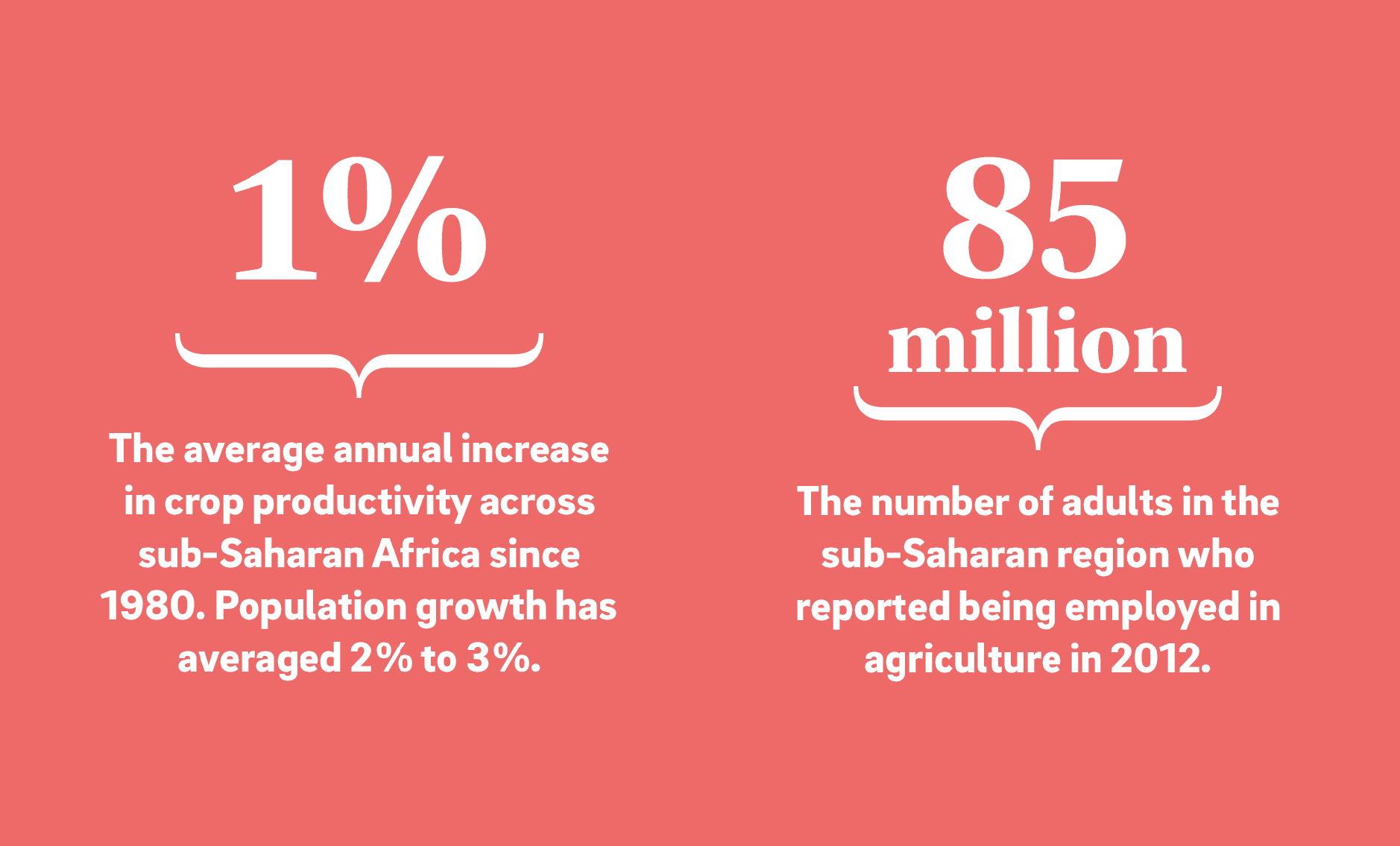
Now, Agco has taken that experience and designed a tractor that meets the particular needs of African farmers. The tractor has an engine simple enough that the farmer can service it himself; it includes a plow, seeding and tilling equipment and comes with its own container, a small barn that makes it possible to protect the tractor from theft. Inside the container, the farmer will find a small office and a computer, which he can run either with solar power or a generator. "It's a great solution for those markets," he says.
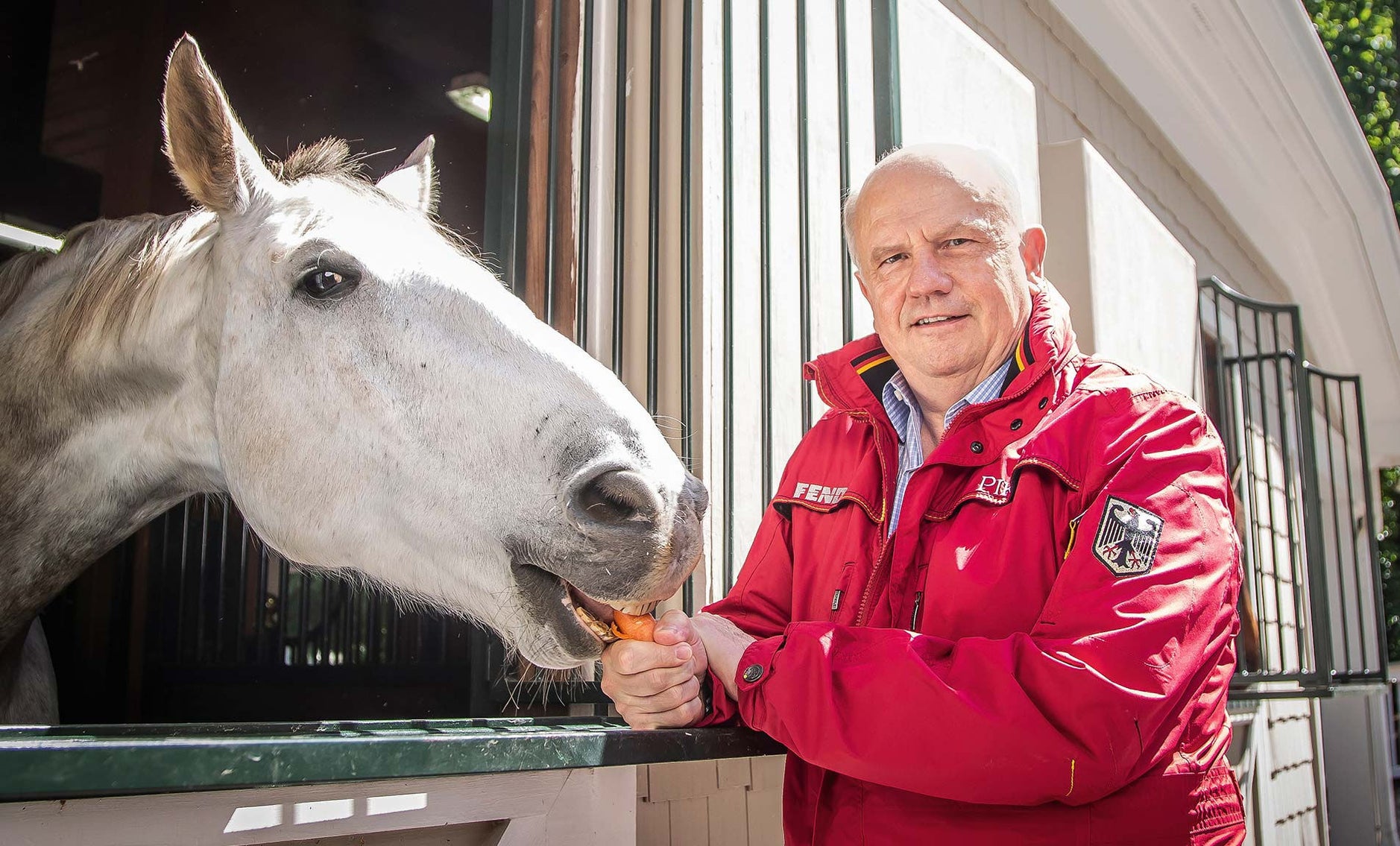
All of this will sell for about $20,000, he says, which should make it affordable, particularly once the company launches its financing partnership with Rabobank, the Dutch farmers' banking cooperative. And, he says, may even prevent future refugee crises. "People like to stay where they are when they like their environment – there isn't a big difference between people and horses. Why do people leave their homes? One reason is safety. Two is enough quality food. Three is education. Four is a place to live. And then a job. If you can provide this, I think you also have found a solution for the refugee problem," he says.
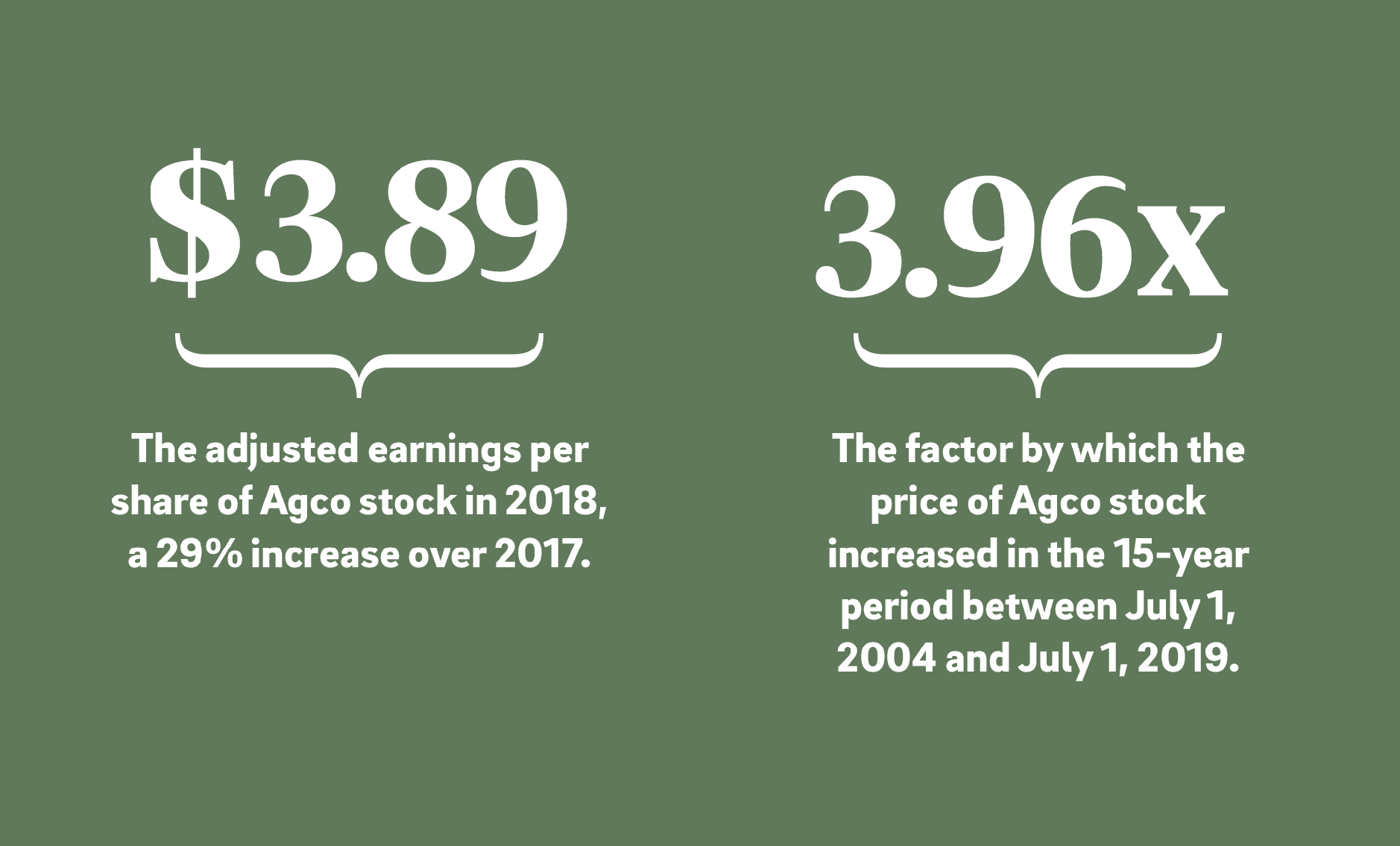
Despite the social benefits he sees in Agco's African initiative, Richenhagen insists that he sees the organization's dealings not as philanthropy, but rather as good business. "I'm not the Red Cross or a charity organization – we are here to make money for our shareholders. We're already profitable in Africa; our Africa business is growing very rapidly – we have doubled our sales in Africa every year for the last five years," he explains. "We make money, which is good for our shareholders; we generate solutions for individual farmers, which is good for our customers; and we help the countries to develop," Richenhagen adds. "It's the perfect win-win situation."
But all rides have to come to an end – even the really good ones. And for Richenhagen, now 67, the end of the course is starting to come into sight. His retirement date is not yet set, but when he does step down, he says that he plans to spend more time serving on a few corporate boards, the Johns Hopkins German-American studies program in Washington DC, and maybe teach business in Africa. And, of course, spend a little more time with his horses.