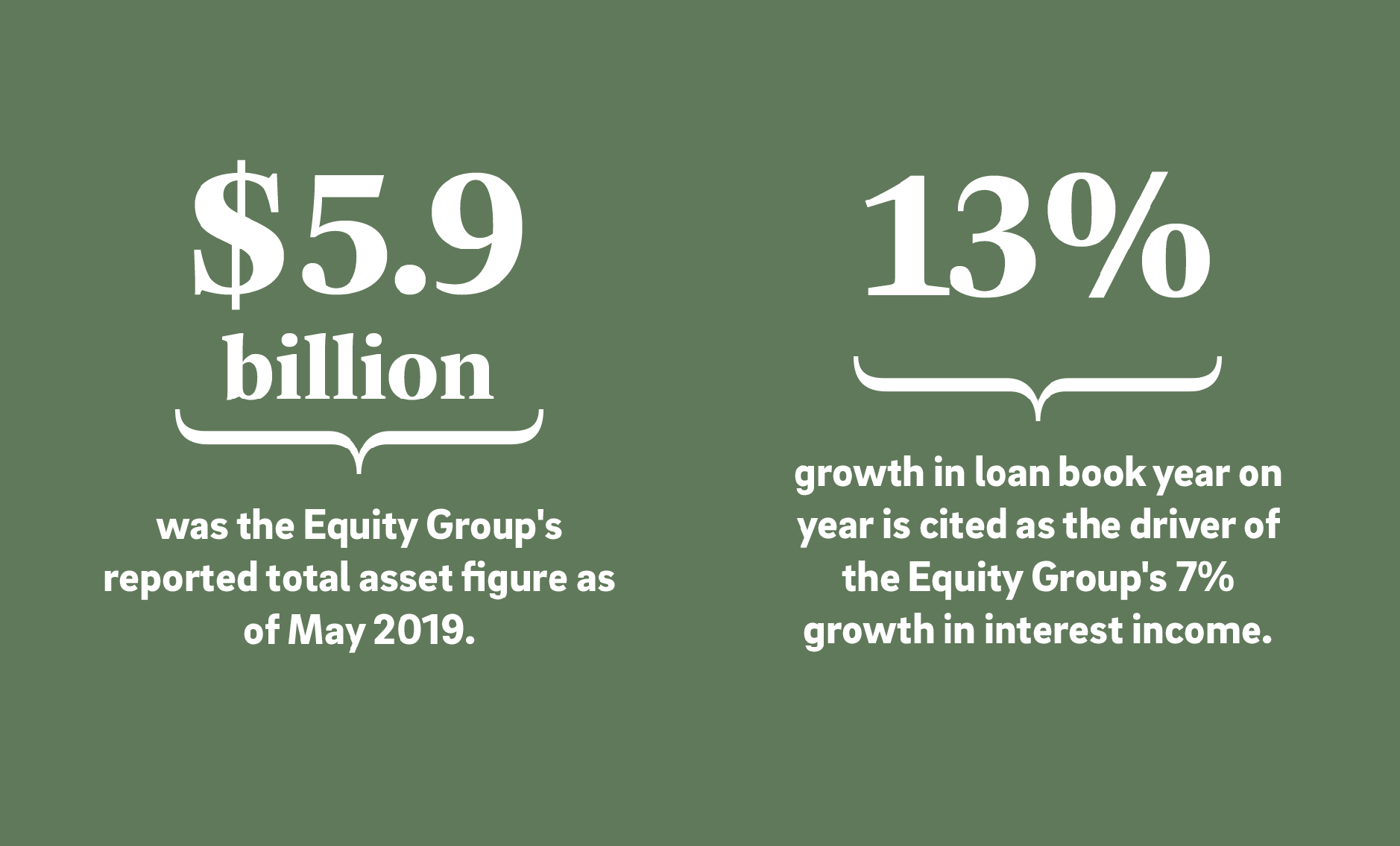
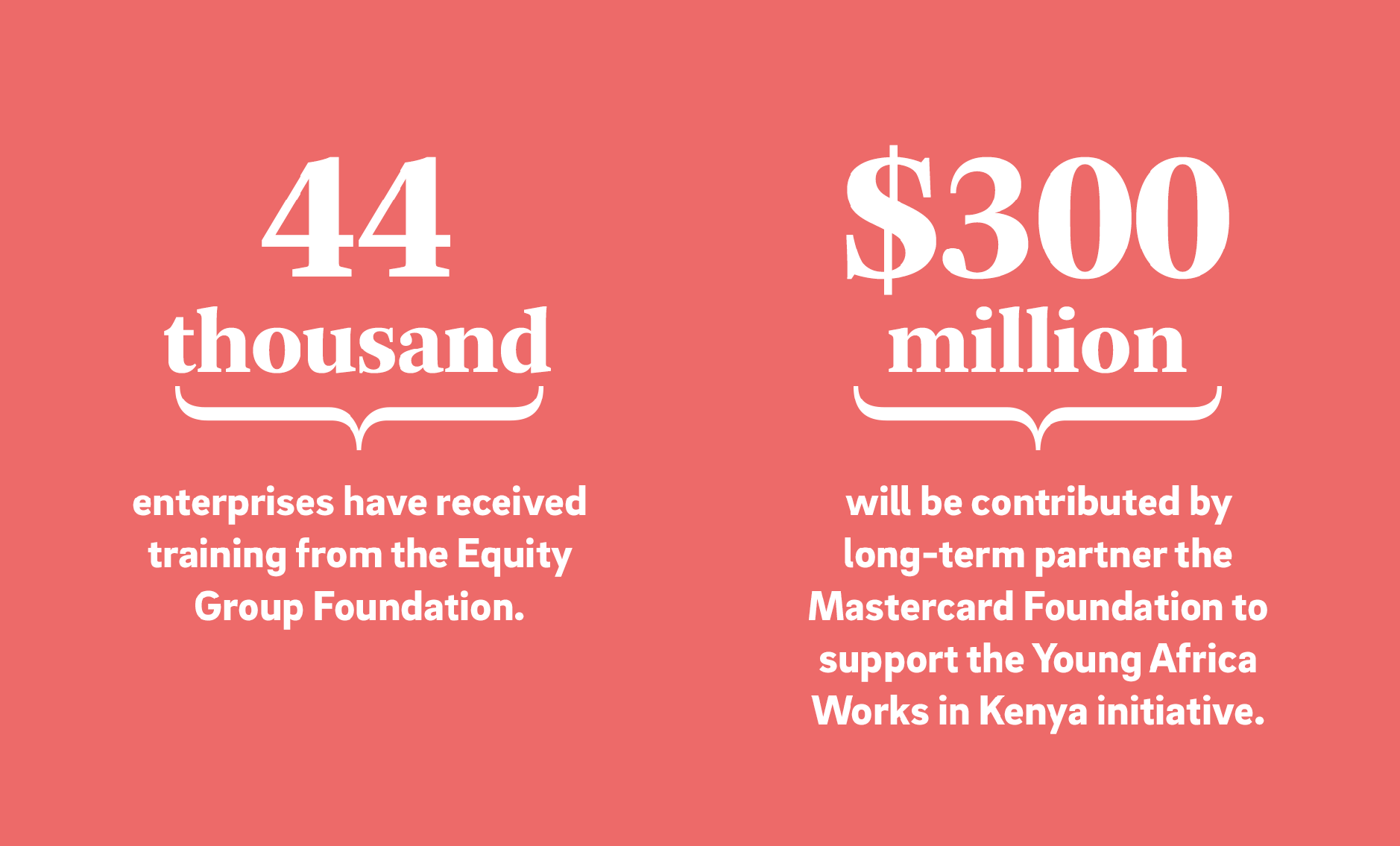
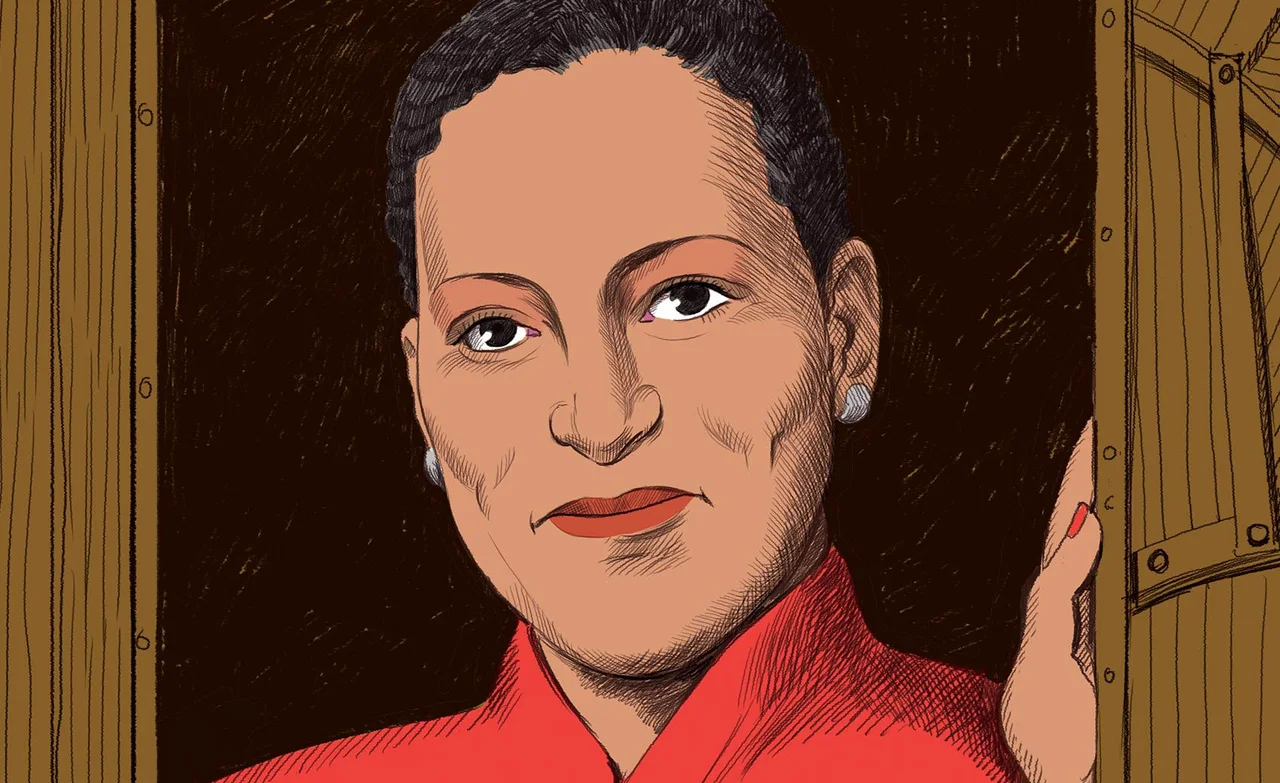
Equity is a real success story. Having started at the bottom of the pile, today it is now the top bank in East and Central Africa however you measure it: It's the largest bank by market capitalization, largest in Africa by customer base with 14 million at present and a target of 100 million by 2024 and it has won multiple awards both locally and internationally. It has also achieved something of a social revolution by bringing banking services to people who previously had little or no access to them. Yet despite being the man behind these not insignificant achievements, Mwangi has an easy, quiet confidence and a friendly welcoming mien. He looks like a man used to being at the top and winning. You might even think he was born to it. But his journey to these dizzying heights has hardly been conventional or easy.
These impressive offices are a universe away from the humble village in Central Kenya where he was born. His father died, leaving his mother to raise the family. Mwangi learned to pitch in to supplement the family's meager income. It was only with the help of the village community, who helped pay his fees, that he was able to go to primary school. Hard work and a government scholarship saw him through secondary, where he was introduced to commerce and accounting. It gave him a way to understand and organize his family's business activities. Looking back, it is easy to see that this ability to marry economic theory to the practical realities of village life led him to revolutionize the banking industry. As he puts it: "It's my background, it's my circumstances, it's my experiences that shaped the career that I pursued."
The country around him was being transformed as he grew up. Kenya's economy had been largely run by a tiny minority of mostly British and Indian settlers. Three British-owned banks dominated the banking industry and they ignored the African majority. After independence in 1963, the government promoted an Africanization of the economy, employed more Africans in the civil service and drove rapid economic growth through public investment. A growing African elite was thus able to access banking services – but most African families, such as Mwangi's, remained peasants, constrained to subsistence agriculture and casual employment. Banks continued to ignore them. And little had changed by the time he graduated from the University of Nairobi and embarked on his career, first at PricewaterhouseCoopers and Ernst & Young before moving on to Trade Bank where he quickly rose to the position of group financial controller within three years, becoming one of the most senior bankers in the country.