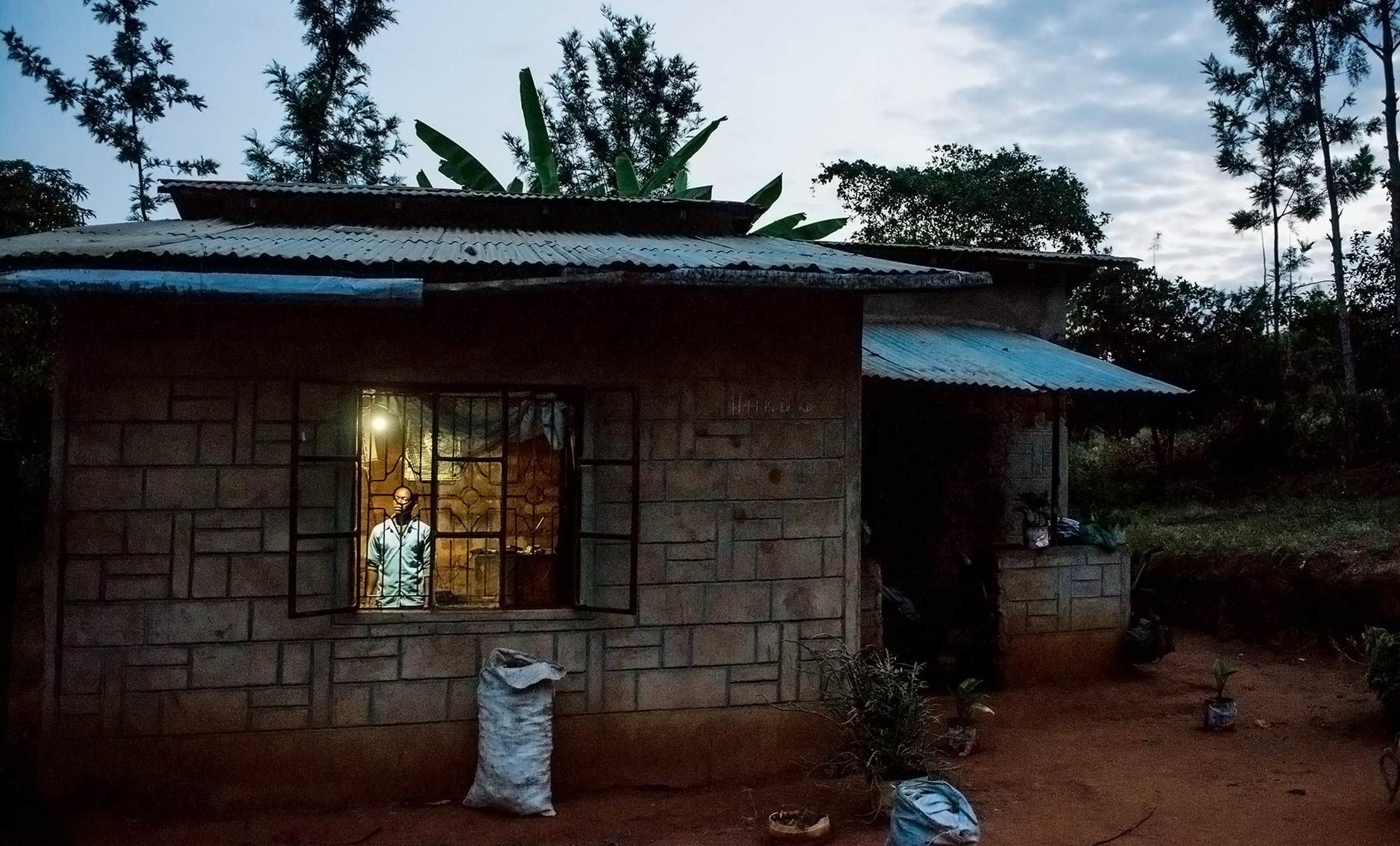
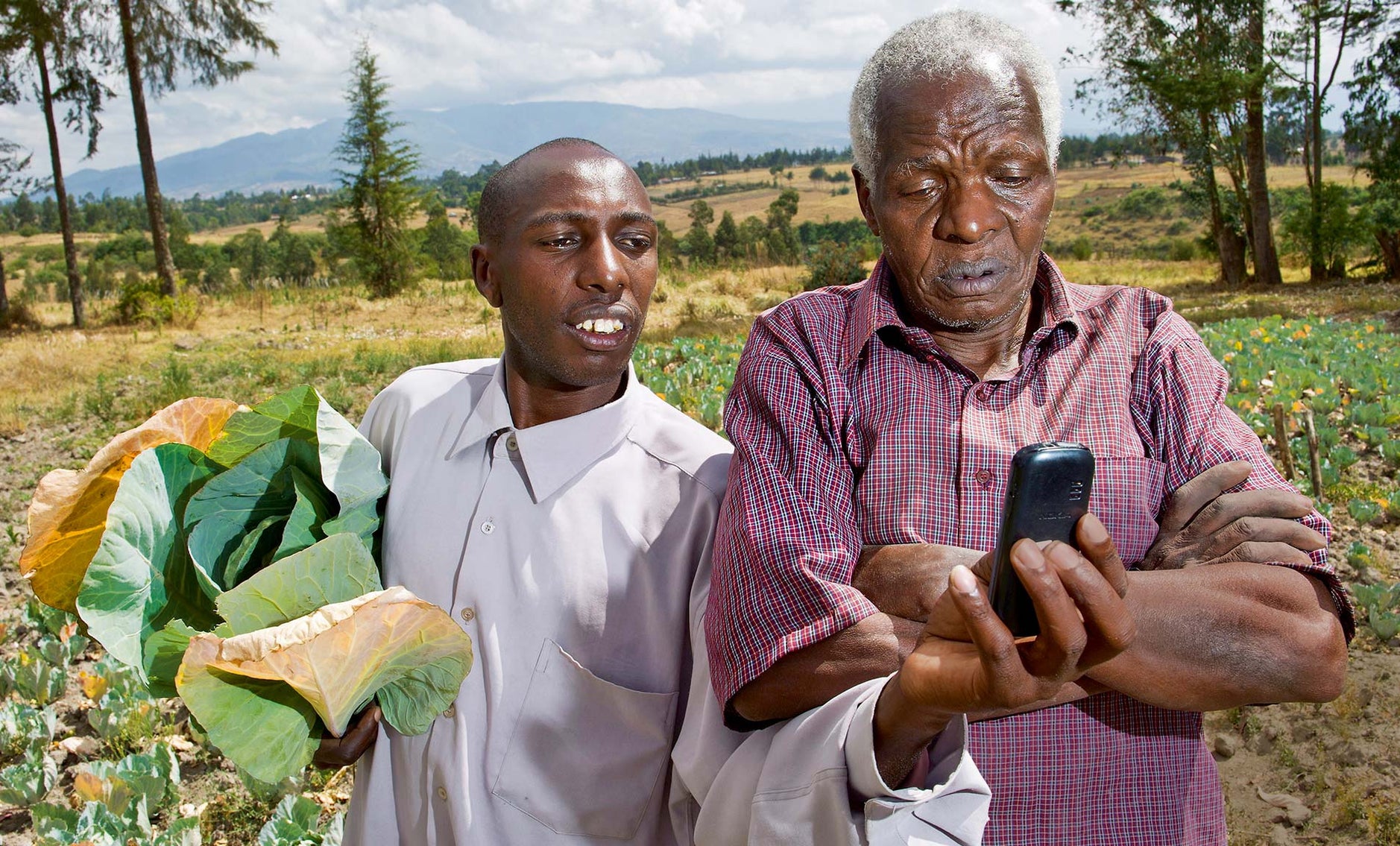
Startup stories have been piling up for a few years now in Nairobi – this city of a million people has become a magnet for tech startups. People are talking about the emergence of Silicon Savannah. The internet is already responsible for 2.9% of Kenya's economic output, and it could be as much as 10% by 2025. And this prediction seems quite realistic, indeed. Nowhere in the world is the number of mobile phones growing as fast as in Africa. More than half of the 1.1 billion people living in Africa have a cell phone, and they use it as a wallet, radio, doctor, weather station and bank account. And wherever there is a lack of infrastructure, new startups are springing up.
Many of them come from Nairobi: iCow, for instance, sends farmers SMS tips to help them increase the milk yield from their cows – for a fee. And so that wholesalers won‘t have farmers over a barrel, M-Farm sends prices for beans, bananas or sweet potatoes via SMS. M-Pepea provides emergency mobile loans of up to $300. Simply send an SMS and the money is credited – M-Pepea will deduct the amount from the borrower's next wages.
More than half of Kenya's 43 million residents receive their wages on their cell phone thanks to the mobile payment service M-Pesa. M-Pesa was set up in 2007 by Kenyan mobile telephone provider Safaricom and, according to its shareholder Vodafone, it now handles almost half of Kenya's GDP. The service is so successful because it works with cheap cell phones, it‘s simple to use and offers many Kenyans – as well as people in Tanzania and South Africa – a bank account for the first time. M-Pesa is one of the foundations of Kenya's IT boom: dozens of startups use this service for their new business ideas. Many of them are based in business incubators such as iHub.
But, surely Kenya's position as the top location for African startups is down to the fact that a number of undersea cables have connected Kenya to global data pipelines in recent years. The Nairobi government's innovation-friendly policies have also played a major role – including the central bank's decision to waive the requirement for M-Pesa to apply for a banking license.
And the tech-boom continues. Konza Technology City, a completely new town covering 5,000 acres complete with colleges, data centers and research labs is being built in Konza, 37 miles from Nairobi. More than 17,000 new jobs are set to be created in Konza during its first phase of construction.