Fostering innovation
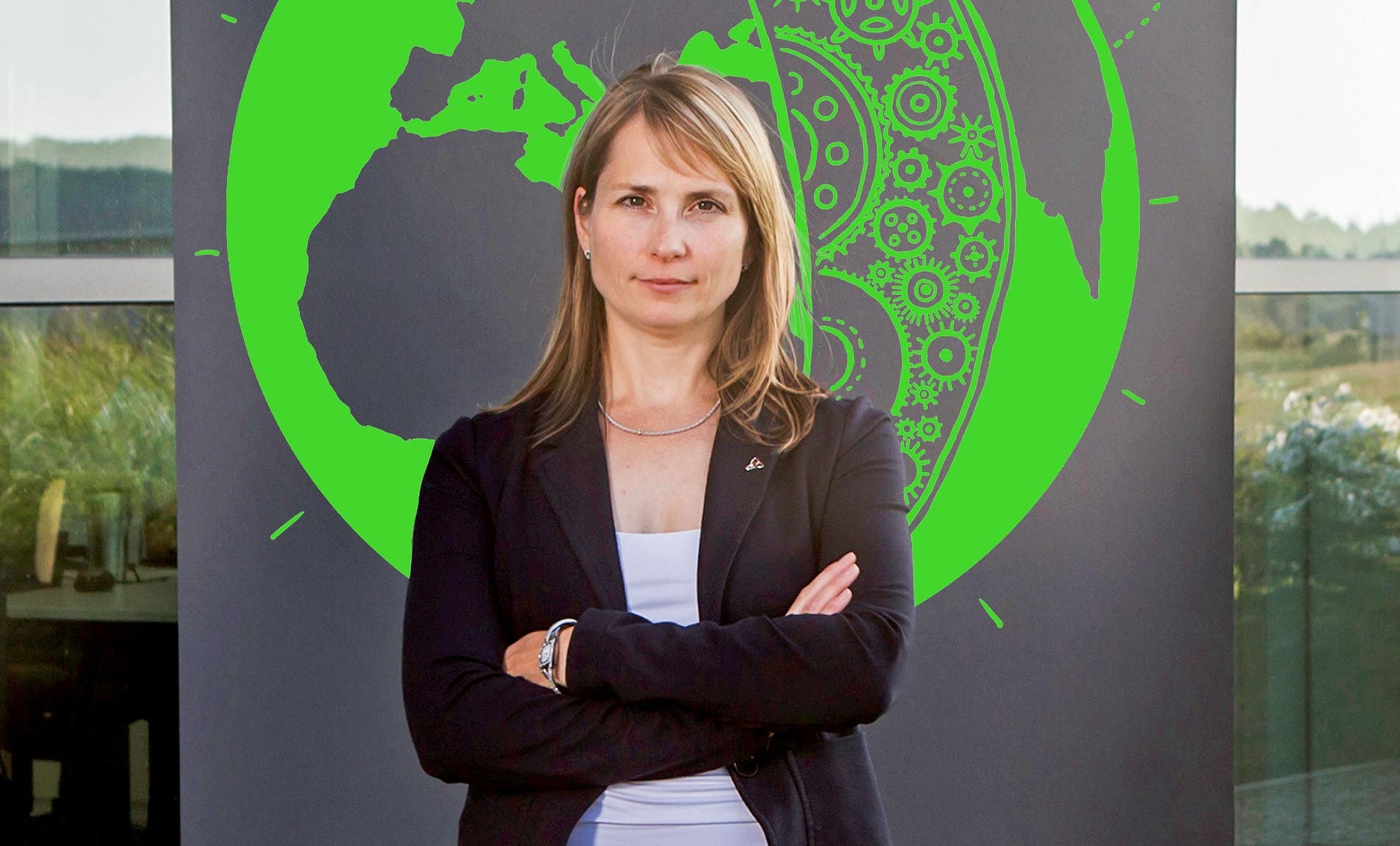
Wittenstein SE in Igersheim is particularly keen on mixing up teams. Here in the land of the Madonnas, as the locals call this strip of land 25 miles south of Würzburg, a futuristic building of glass and exposed concrete nestles among the rolling hills. Inside are mobile offices, lounges and lots of open space for thinking and interacting. Welcome to the future. Welcome to the Innovation Factory, built by Wittenstein for €35 million ($38.2 million) and opened in 2014. Developers, programmers, technicians and marketing specialists work alongside the production team. "The vast majority of the value added here takes place within a radius of just 40 meters (43 yards)," says Anna-Katharina Wittenstein, who has been running the company’s business of drive systems since October 2016. It guarantees direct interaction between co-workers with different perspectives. The Innovation Factory has started living up to its name; it’s not only an innovative factory, it’s also a factory where innovation is born. Wittenstein recently launched a completely new gearwheel, or more precisely, a gearwheel without teeth, that promises productivity increases of up to 40%. This "galaxy drive system" won the Hermes Award at the Hannover Expo and recently landed the German Business Innovation Award.
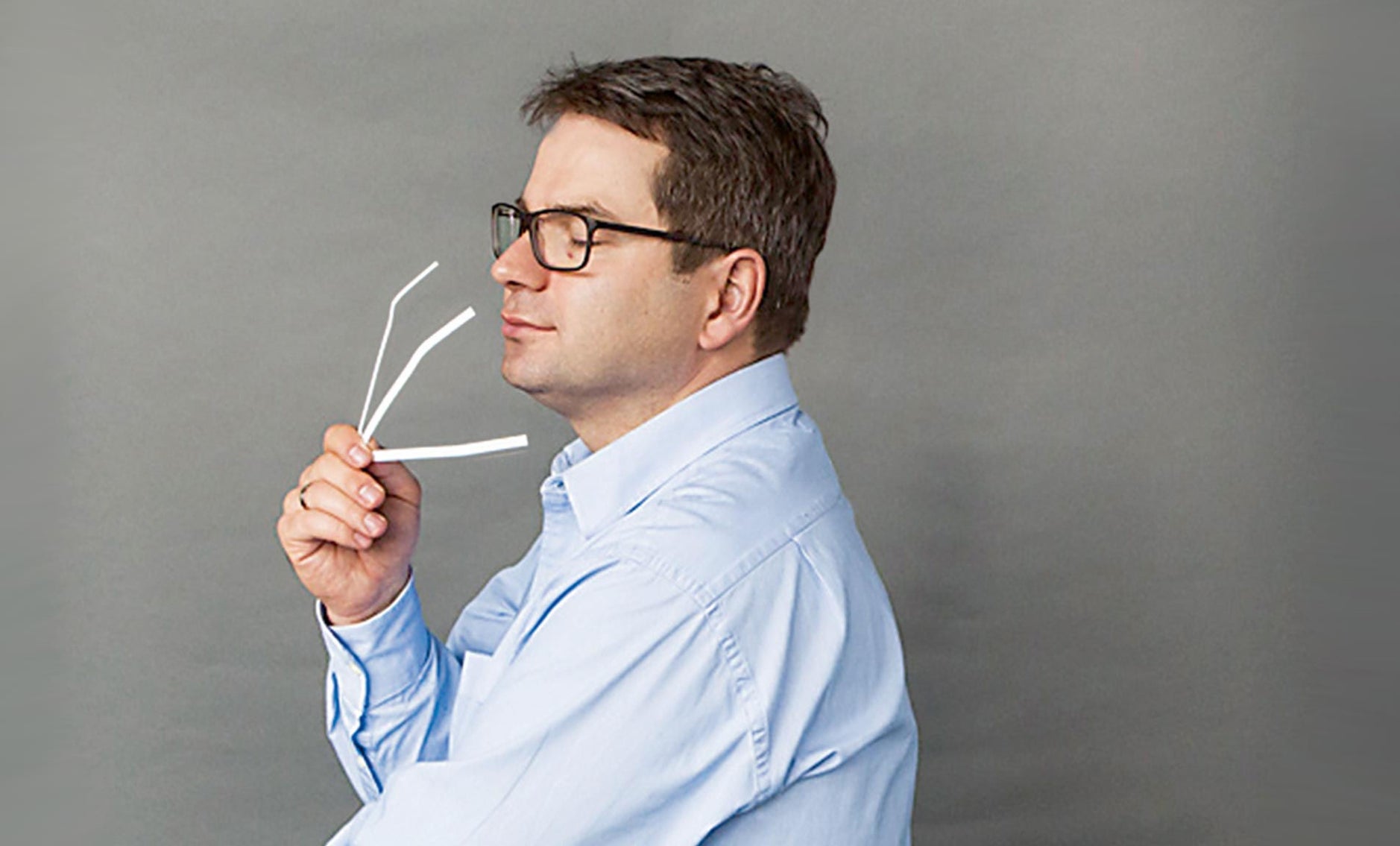
Yet it’s not enough to bring together a diverse collection of professions to create a healthy mix – a company also requires diversity in terms of both age and gender. Siegfried Koepp at EMG considers unconventional thinkers to be crucial. "People questioning what’s established often drive discussions forward in a decisive fashion." Miltitz Managing Director Müller takes this reasoning a step further by making his customers part of the innovation process. "We frequently come up with ideas after speaking with our customers," he says. "That’s why our sales people always take along a chemist when going to appointments, to provide a scientific perspective." This helps the firm continue to create new synthetic scents and improve production methods.
Flat hierarchies, great teams, new product ideas: that all sounds wonderful. Yet in many cases, that still won’t be enough, especially if companies only consider how they can improve their core business. Digitization is disrupting entire sectors, so it’s important to keep a broad perspective and enter new segments and markets – even if that means exiting established fields. It all comes back to Schumpeter’s concept of creative destruction.
But it’s only at a few companies that employees have been tasked with questioning their business models regularly, and in a structured fashion. "That’s unfortunately not part of the industry’s DNA," says Thomas Rinn, Director of the global Competence Center Operations Strategy at Roland Berger.
However, when you look at sectors transformed in recent years by the digitization of production or Industry 4.0, it becomes strikingly clear why this is so necessary. For example, most heavy machinery is now computerized, opening up the mechanical engineering sector to IT firms aiming to take over the lucrative part of the business and downgrade machinery makers to mere parts suppliers.
That would be fatal for some, like wire-drawing machine manufacturer Ernst Koch GmbH & Co. KG from the town of Hemer near Iserlohn. "The machinery normally has a long lifecycle," says Jochen Koch, Managing Partner in the firm, which has 120 employees and an annual turnover of €45 million ($49.1 million). From a business viewpoint, the money is to be made by tapping into the shorter innovation cycle for IT and software.
That’s why Koch, the grandson of the firm’s founder, is pushing the company’s transformation from a machinery manufacturer to an IT service provider. "We’ve decided to build that software competence ourselves rather than buying it," he says. The only thing outsourced is digital support. Koch’s employees were deeply involved in the decision-making process – and they still are. "We have intensive internal discussions about which skills we should develop ourselves and where firms from our circle of partner companies can help," says Koch.
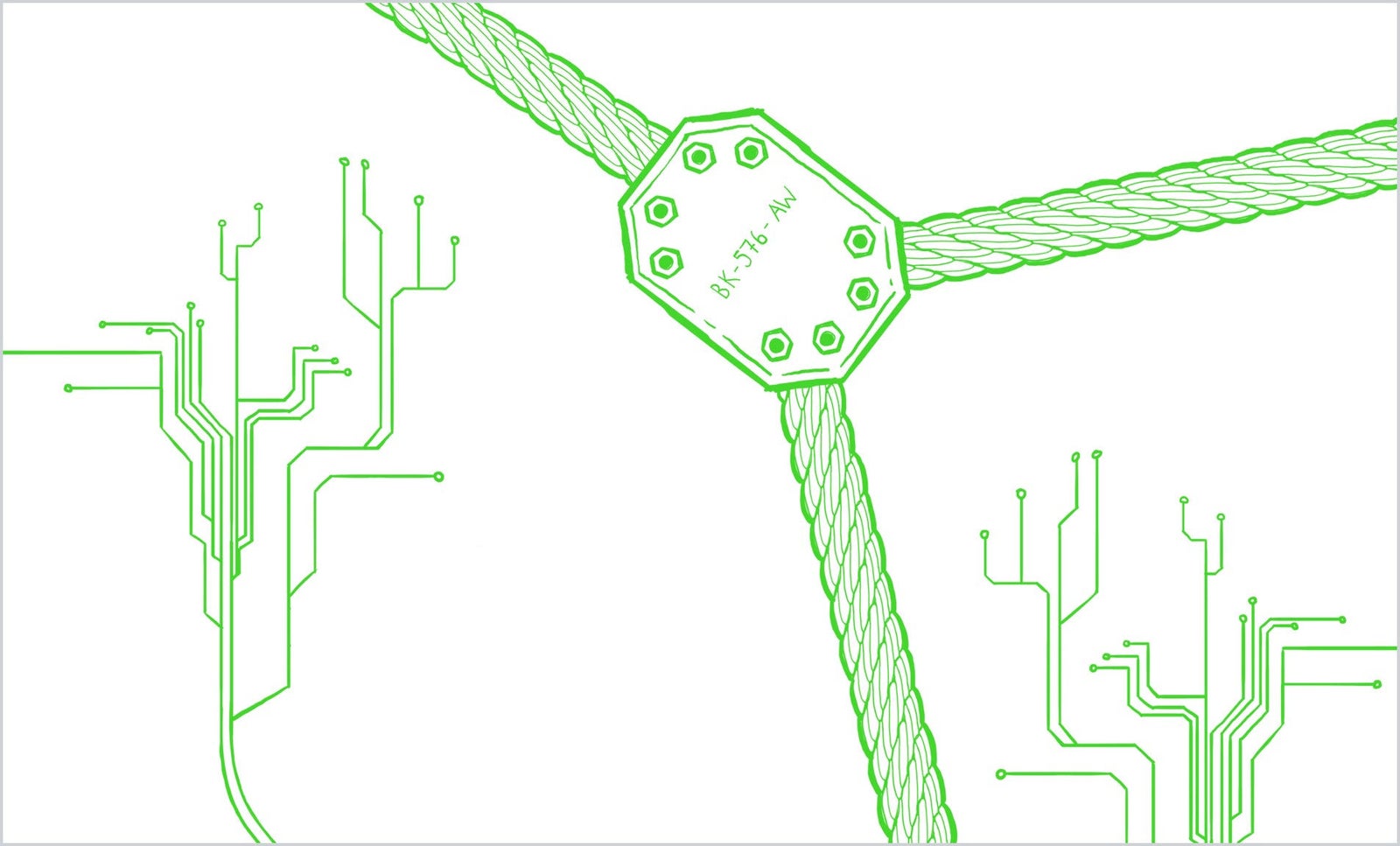
Koch made an important decision back in the late 1990s: since that time, his firm has worked with other targeted SMEs. Making everything from medical wiring to cables for ski lifts, Koch presents itself as a one-stop provider of systems rather than just products. That makes it much more difficult for IT firms to attack the Koch business model. Since 2003, one of its most important partners has been the Italian firm M+E, which specializes in wet-drawing machines, making particularly high-strength wire. "Our partners aren’t competitors, but companies that complement our offerings – with products such as cleaning systems, machinery for coatings or wet-drawing machines," says Koch. "In light of digitization and growing complexity, such cooperation is becoming ever more important."
Experts, including those behind the Trade Winds study, are convinced that cooperative models like Koch’s are the way of the future. Examples of such clever networking are becoming more common – like Euronics, a collection of some 1,500 electronics retailers in Germany that market themselves as a single brand. There’s even an online marketplace to connect the group’s physical and online stores.