Back in June of this year, the project had not even been live on Zhang's crowdfunding platform for 24 hours before the ¥3 million (approx. $438,400) needed to finance it had been raised. "In terms of volume, our project is absolutely perfect for China's new middle class," says Zhang.
On average, the investors who finance dreams like this hotelier's on Duocaitou part with ¥53,000, or just over $7,700. And they do it from their cellphone using WeChat, an immensely popular app in China that functions like WhatsApp, but also offers payment services. The crowdfunding platform uploads hotel photos and project descriptions onto its company's official WeChat account, the customer clicks a few times, an investment contract with the projected dividends is sent directly to their cellphone screen, where they can sign it with their finger and quickly press "send": another white collar worker in Beijing, lawyer in Shanghai or doctor in Guangzhou becomes an investor.
Providing the missing link
The Duocaitou platform steps in where China's financial markets have previously feared to tread, and it does so in two ways. It's not just the case that entrepreneurs would not find credit for this kind of hotel project anywhere – China's state banks are just as conservative and risk-averse as major banks the world over. It's also that the increasingly wealthy middle class in China struggle to find legal channels to profitably invest their disposable income: the communist government in Beijing strictly controls the property market because any overheating of that market could quickly lead to civil unrest; high deposits are required before you can be approved for a mortgage, and the number of homes available for any Chinese person to buy is regulated. It is also very difficult to invest abroad. The flow of currency out of China is very stringently restricted, making the transfer of credit to overseas accounts effectively only a realistic option for the new super-rich. Interest on bank deposits in China is also very low.
Crowdfunding platforms such as Duocaitou can therefore position themselves as the missing link between unproductive capital and risk-tolerant companies, creating a completely new interface between the financial and property markets and the mobile internet. "Our projects promise good returns, right from the first year, but our borrowers often start off without even owning the land, and the banks would rarely lend them money," says Zhang.
It is often those same middle-class people who head out of the city in their BMWs or Toyotas on a weekend to a chic boutique hotel who used Duocaitou to invest in that hotel. The entrepreneur describes his crowd-investors as 25 to 45 years old with one or two children and an annual household income of around ¥500,000 (approx. $76,300), ¥200,000 of which is disposable income.
The phenomenal success of WeChat, developed by internet giant Tencent, has created an ecosystem in China in the space of just a few years in which fintech companies like the one headed by zhang senhua can grow faster than would be conceivable anywhere else on the planet. WeChat is one of the world's most successful messaging platforms with more than 800 million active monthly user accounts, almost all of them in China (WhatsApp reached 1 billion users in 2016). A blend of a messaging app à la WhatsApp, social media network like Facebook and an e-commerce platform, WeChat is the most important app in China and the one people spend the most time using.
The Chinese use WeChat to chat and send files, to read specialist media and to buy rail tickets. You can pay for the noodle soup from a street food vendor for ¥10 via a WeChat payment provider, just as you can for a ¥100 taxi journey with the Didi Chuxing ride hailing service or send ¥1,000 in emergency funds to your son in college. It's not an unusual sight to see crowds of Chinese people crossing the street in Beijing or Shanghai, eyes glued to their cellphone screens. Most of them are hooked on to WeChat even as they walk.
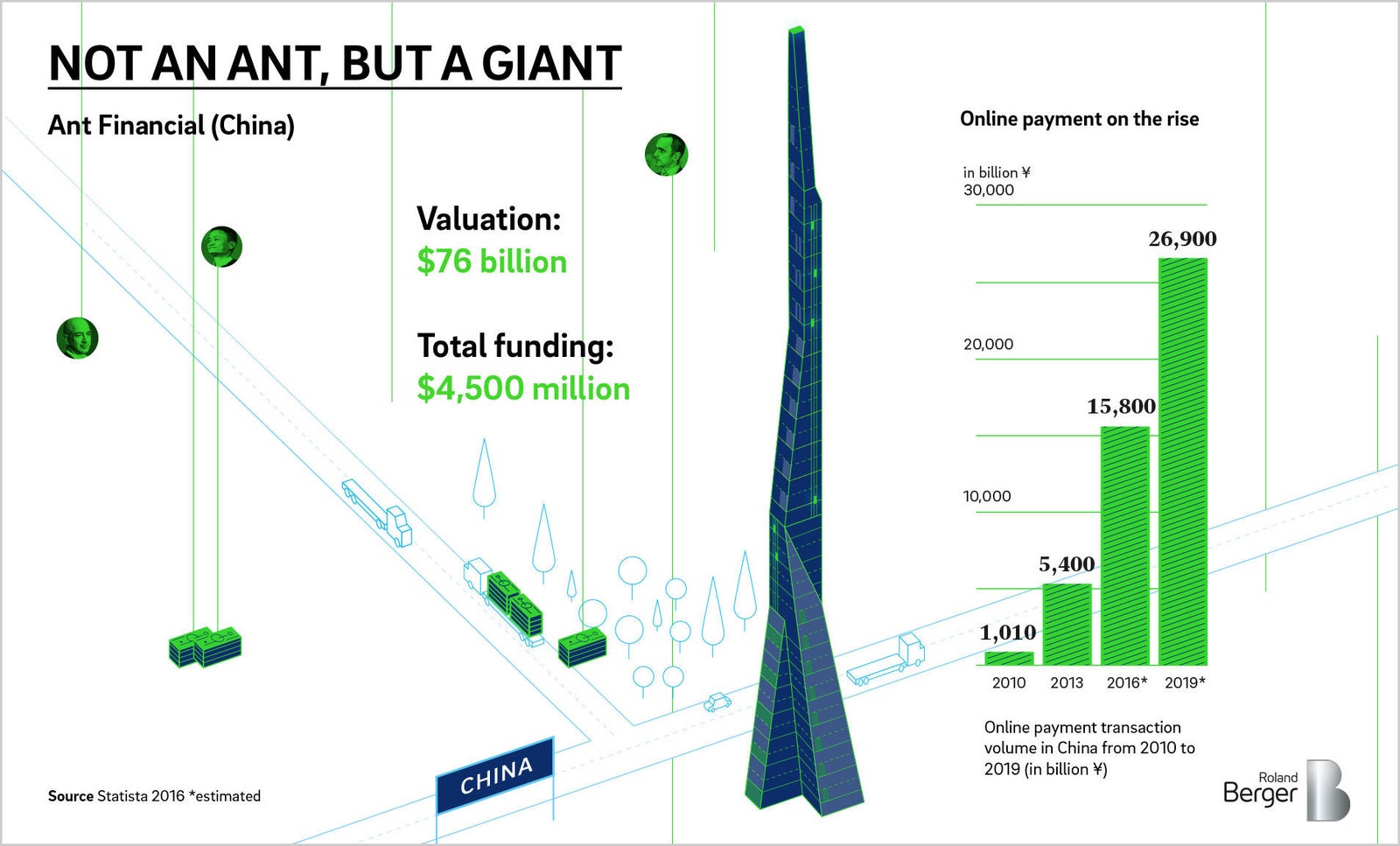
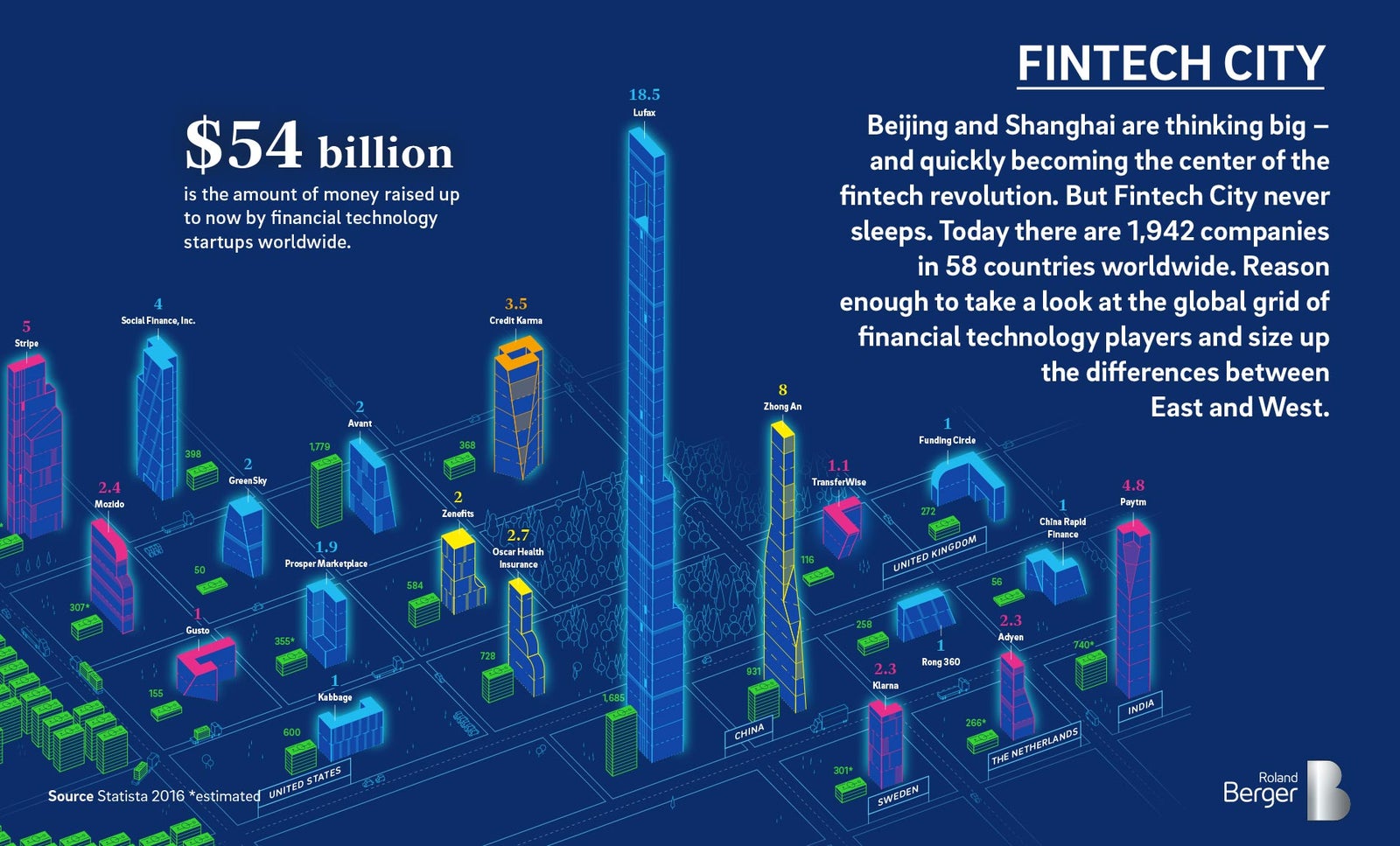
The rapid growth of the mobile internet in China has now created a vibrant market for finance-oriented technology firms. "Fintech – from mobile payment and crowdfunding to new technologies such as artificial intelligence for asset management – is currently experiencing a boom in China," says zennon kapron, who previously worked for Citibank and is now a fintech specialist advising entrepreneurs in Shanghai at his industry market research firm KapronAsia. It is primarily big internet companies such as Baidu, Alibaba and Tencent, a triumvirate often abbreviated to BAT, which have the most success with their own fintech investors, says Kapron. "But there are hundreds of interesting fintech startups in Beijing and Shanghai."