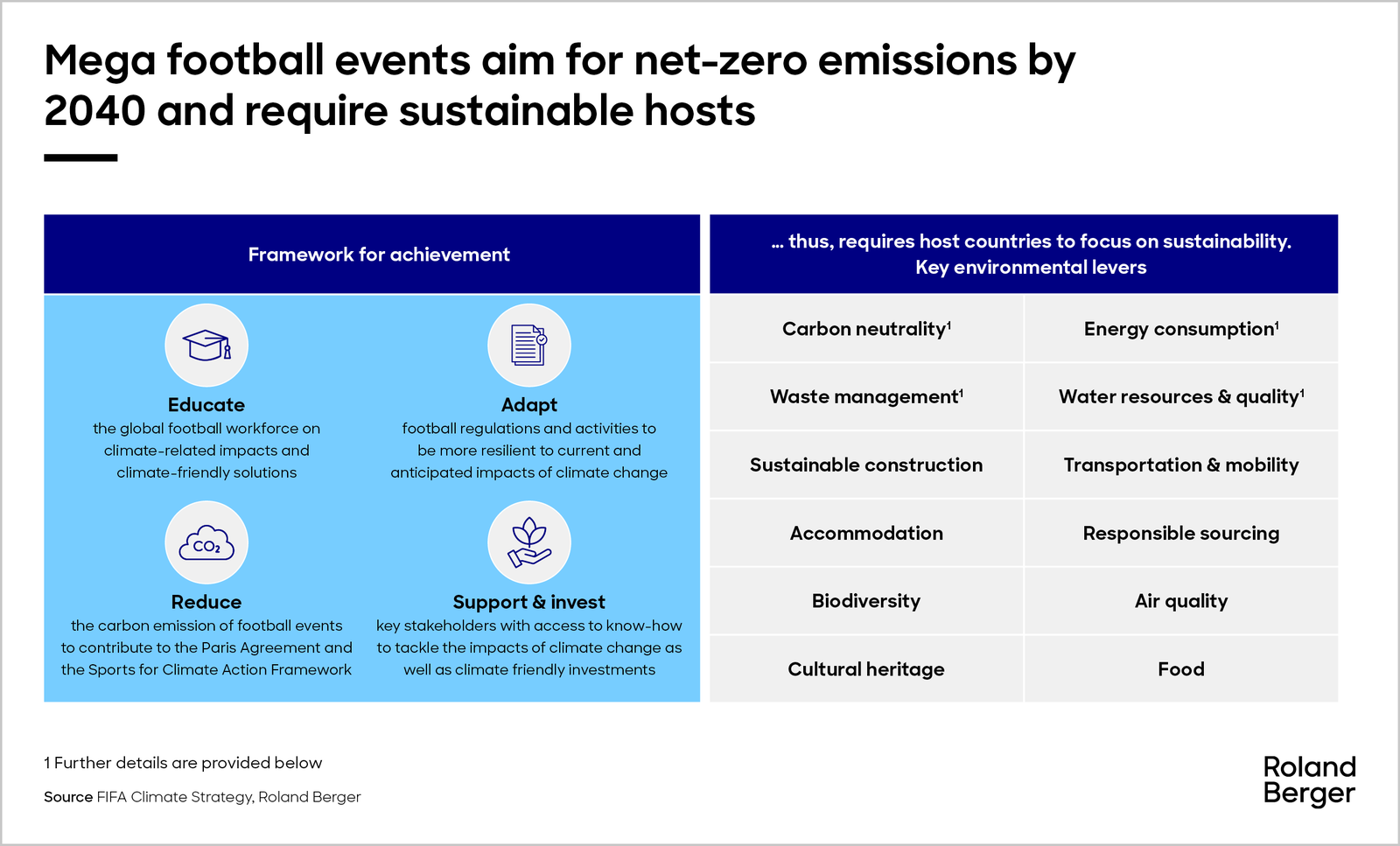
Energy consumption is a key focus area, requiring measures that ensure energy security, increase reliance on renewable energy, and enhance overall efficiency. Smart meters and energy management systems can monitor and control consumption in real time, while automated lighting and the replacement of traditional lighting with LEDs will reduce energy usage significantly. Smart HVAC controls can further optimize air conditioning and ventilation, making stadiums and facilities more efficient. On the renewable energy front, installing solar panels and using battery storage systems can harness and manage the region’s abundant sunlight. Innovative solutions, such as piezoelectric materials in stadium flooring, can convert kinetic energy from movement into electricity, demonstrating cutting-edge sustainability practices.
Effective
waste management
is another critical component. Saudi Arabia can minimize environmental impact by banning single-use plastics and disposable items, offering water refill stations, and adopting digital, paperless ticketing systems. Clearly labeled waste segregation bins can encourage recycling, while food waste composting stations can divert organic waste from landfills. These measures can set a new benchmark for waste management at global events.
Water conservation and quality enhancement are equally vital. Sensor-activated and low-flow faucets and toilets can significantly reduce water waste, while leak detection systems and IoT-enabled water sensors can identify inefficiencies. Smart water monitoring systems can optimize usage and improve treatment processes, ensuring
sustainable water resource management
during and beyond the event.
Sustainability must also extend to construction practices and transportation solutions. Using low-carbon concrete and incorporating reclaimed and recycled materials in infrastructure projects can reduce the environmental footprint. Glass-Reinforced Fiber Plastic (GRFP) materials can be utilized in roofing, facades, and seating to enhance efficiency, while modular construction methods can streamline building processes and minimize waste. Green roofing and landscaping can provide natural insulation and support biodiversity. For transportation, deploying electric buses and shuttle services, promoting ride-sharing, and providing incentives for electric vehicles, such as charging stations and free parking, can significantly lower emissions. Electric bikes and scooters can also offer eco-friendly alternatives for short-distance travel.