From isolated venues to integrated urban destinations
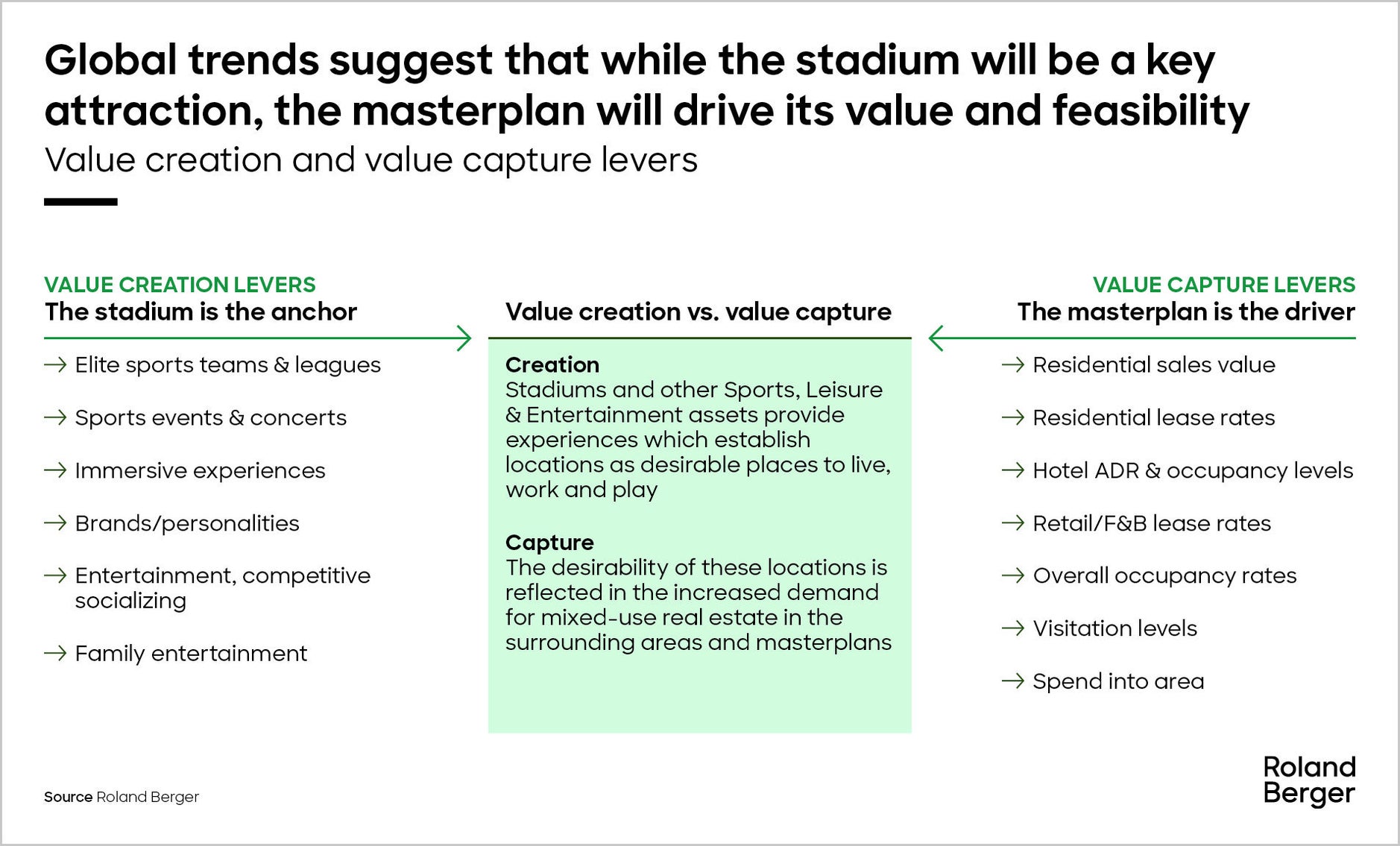
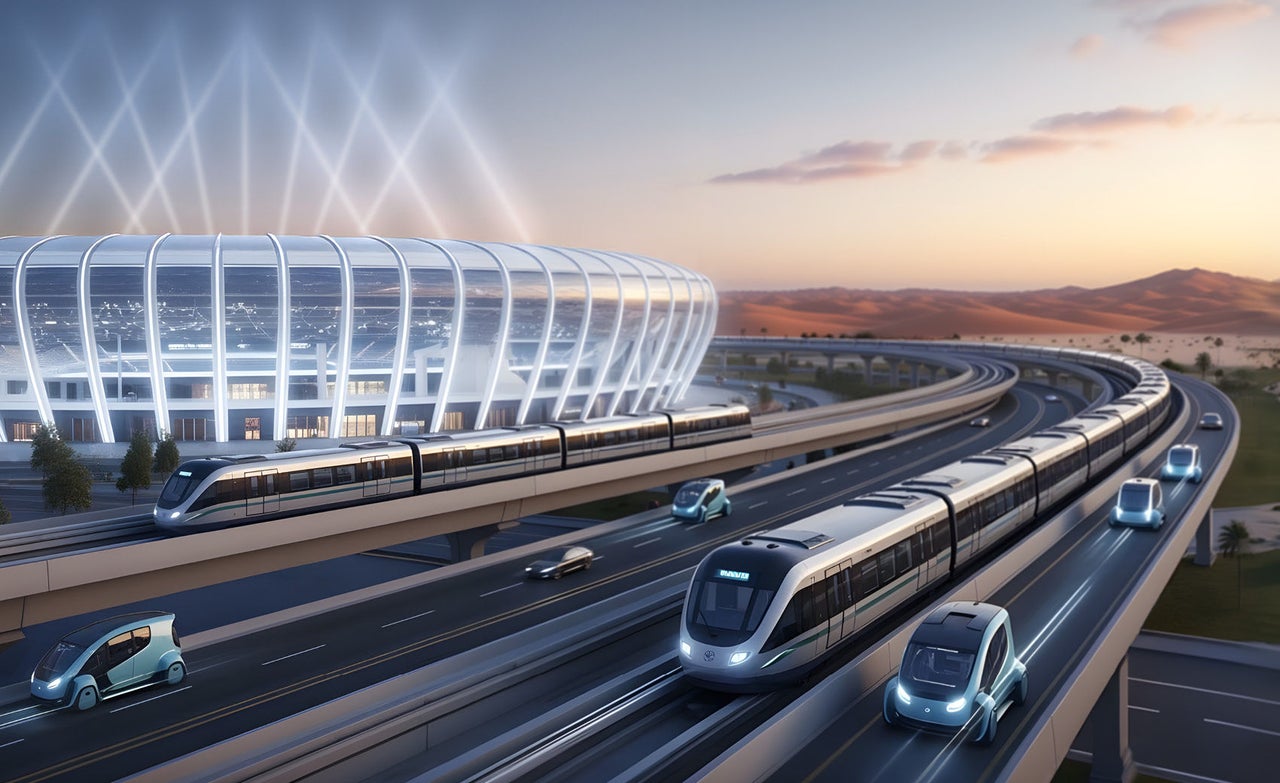
The role of the stadium has fundamentally changed. Where venues once served primarily as event-day facilities, today's leading examples function as 365-day, mixed-use destinations that combine sports, entertainment, commerce, hospitality, and community activity. The economic value of a stadium is no longer measured by seating capacity alone, but by the ecosystem it anchors and the year-round experiences it enables.
Saudi Arabia's stadium investments generate value through two complementary mechanisms. First, they create value by hosting sports matches and entertainment events. Second, they capture value through the surrounding masterplan, which drives continuous economic growth outside the venue to keep the stadium financially viable. Together, these mechanisms transform a stadium from a single facility into the centerpiece of a broader development ecosystem.
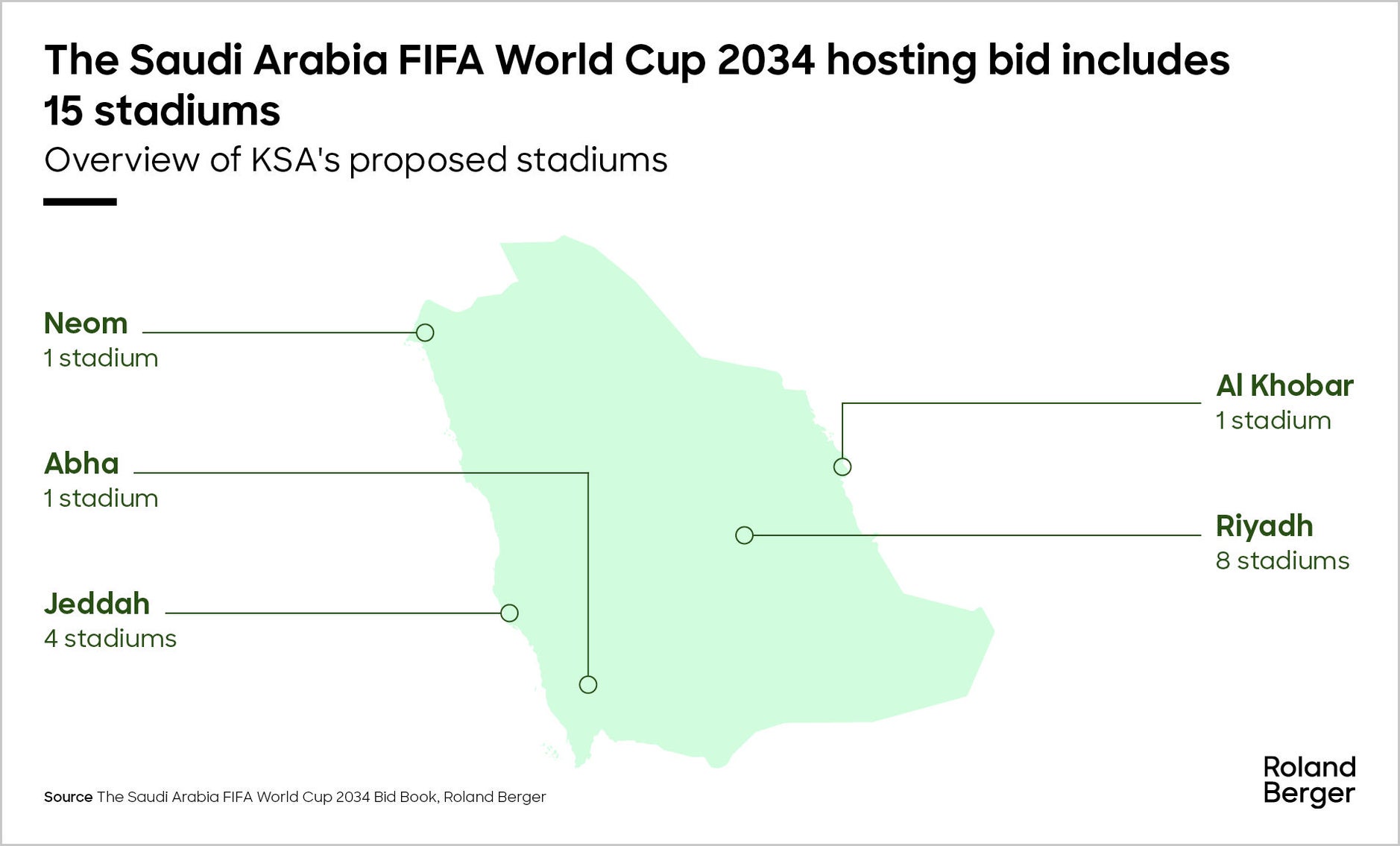
What distinguishes Saudi Arabia from most comparable markets is the scale of its greenfield opportunity. With 11 of the 15 venues either under construction or planned as new builds, the Kingdom has the rare ability to design venues and surrounding districts from scratch. This makes it possible to integrate stadiums into broader mixed-use masterplans and optimize them for year-round use from the outset, a structural advantage that markets constrained by legacy infrastructure cannot easily replicate.