Key market characteristics: Municipal wellness centers have many of the advantages of an infrastructure sector
With the similarities in customer base clear, it’s worth looking at the other factors that make municipal wellness centers an interesting infrastructure-like play.
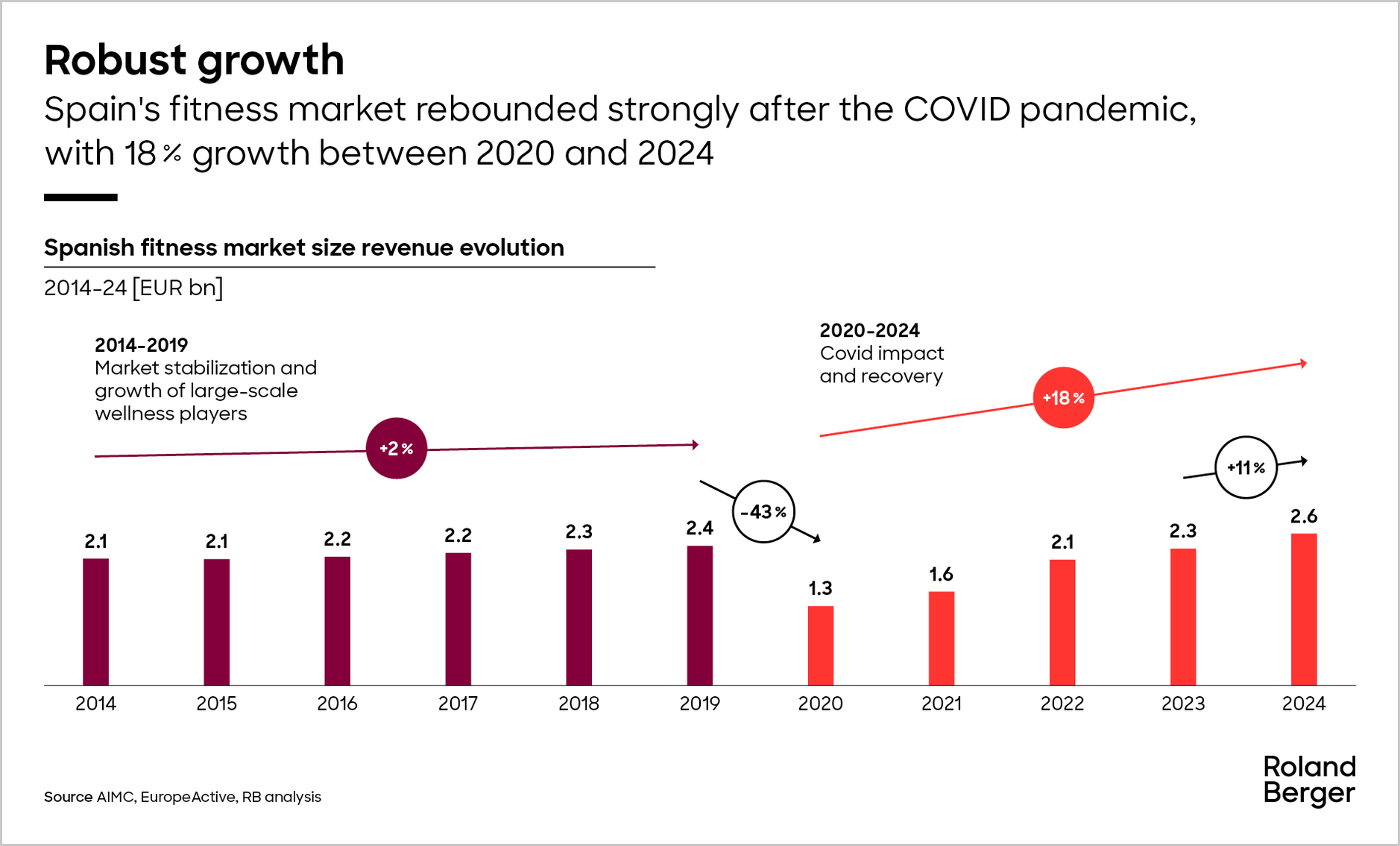
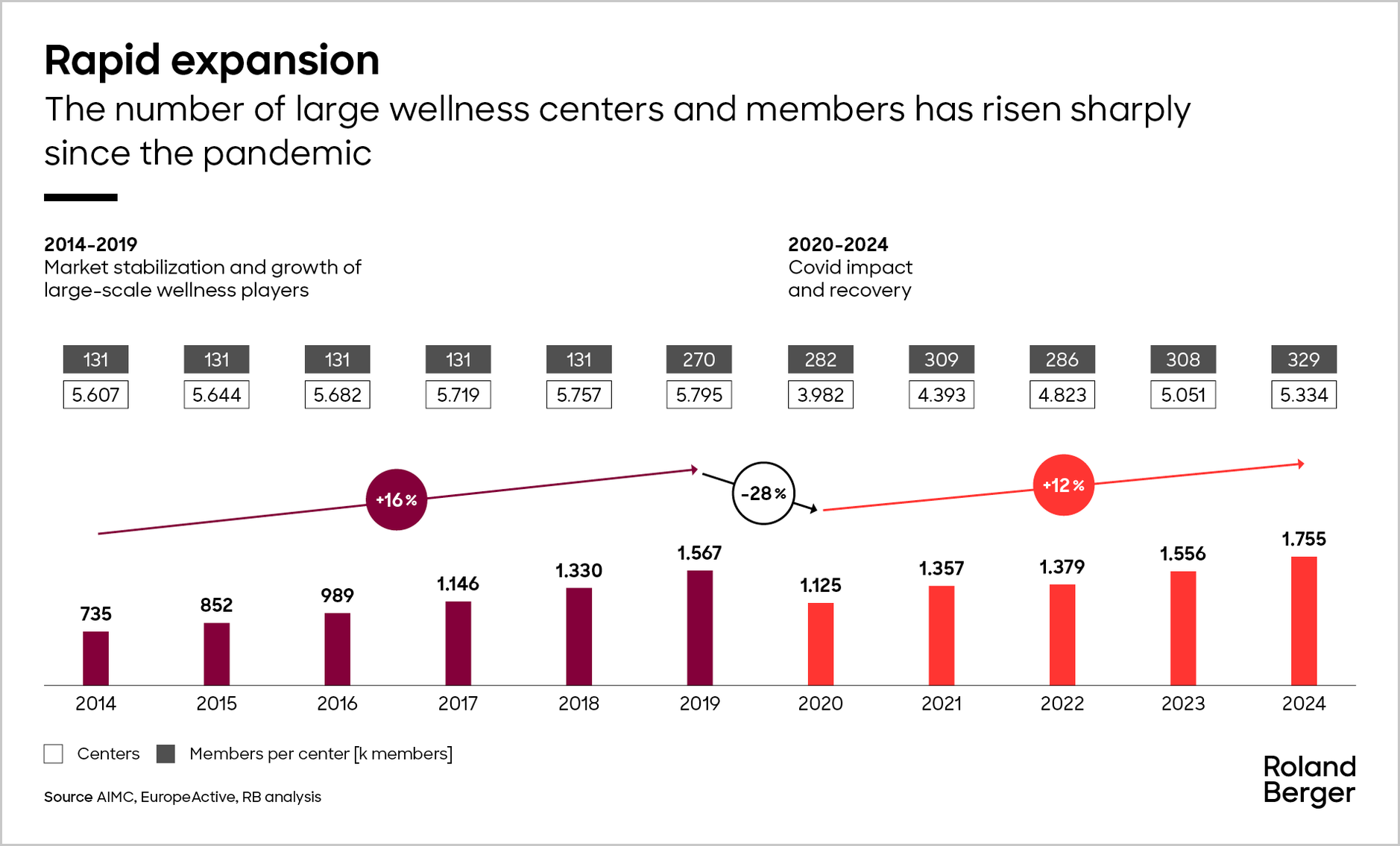
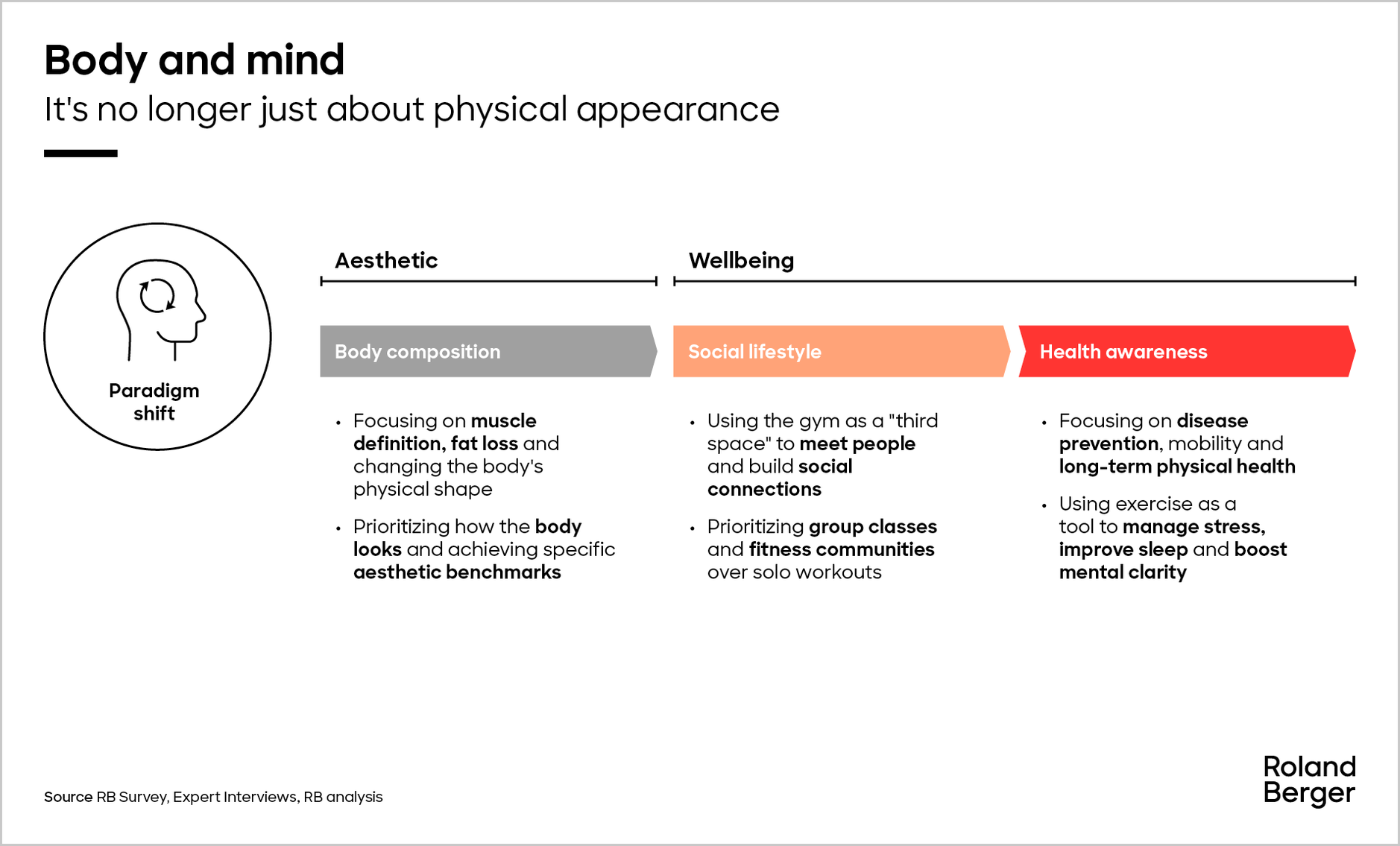
Essential community service: Municipalities have a duty to provide public sports facilities, and these services are reinforced by national physical activity plans in Spain and Portugal and a growing view of fitness as a preventive public health measure as well as a leisure activity. With around 30 million regular sport practitioners in Iberia and an ageing population, demand is broad and structural.
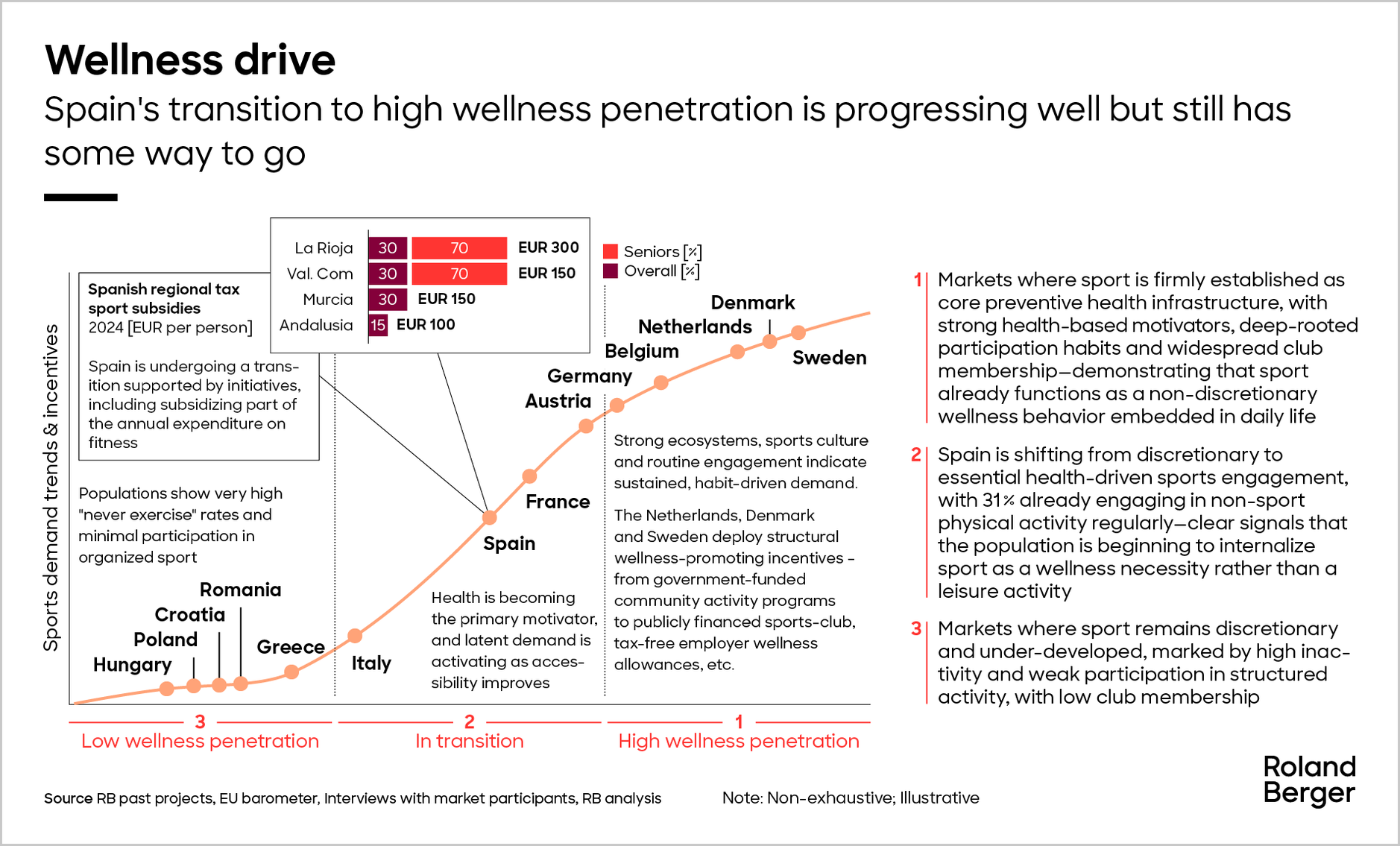
Structural growth tailwind: Across Europe, the wealthier a country, the higher the share of its population that uses fitness centers. Spain already outperforms this pattern: despite lower income levels than Italy, France or Belgium, a larger share of Spaniards are fitness center members. Affordable formats, with municipal centers prominent among them, explain much of this overperformance. As Spanish incomes continue to converge with Northern Europe, penetration has further room to rise.
Public-contract driven model: Around 90% of concessions are awarded through municipal tenders, giving operators a stable public counterpart. Contract length mirrors the investment the operator takes on: Greenfield concessions, where the center is built from scratch, run 30-40 years to allow recovery of the upfront capital; brownfield concessions, which upgrade and operate existing facilities, run 10-20 years. In both cases, the operator secures long-term visibility of its right to serve the catchment.
Practical exclusivity: Contracts grant no formal territorial protection, yet incumbents enjoy a strong natural position. Private chains tend to avoid the catchment areas of municipal centers, and when they do enter, they struggle to draw away a loyal, family-based membership. For their part, municipalities have little interest in awarding competing concessions in the same area, which further protects incumbents.
Downside protection mechanisms: Concessions are awarded at the operator's own risk, and normal cost fluctuations are not compensated. Spanish public procurement law does, however, protect economic balance in exceptional events (unilateral changes by the authority, broad public measures, force majeure), and 60-80% of tenders include automatic rebalancing clauses that make the process predictable. Some contracts add a revenue floor through fixed municipal payments or usage guarantees.
Structural barriers to entry: Around 90% of tenders require prior experience managing comparable concessions, and award criteria increasingly weight service offering, design and facility management over price. Capital intensity is a further hurdle. Pools, spa areas, large-format halls, water treatment and specialized equipment mean that building a new center requires investment in the tens of millions of euros, beyond the reach of most local operators. Even upgrades of existing facilities demand meaningful capital. Incumbents are renewed in the large majority of cases, as municipalities prioritize service continuity and avoid political risk.
Predictable, long-term cash flows: Membership duration is nearly twice as long in municipal centers as in private gyms, and seasonality is lower. The majority of contracts include tariff revisions linked to CPI or costs, while the remainder require municipality approval, typically delaying pass-through by one to two years. Service obligations constrain pricing and offering, but operators retain control over ancillary revenues, staffing, procurement and marketing.