Mutual benefits
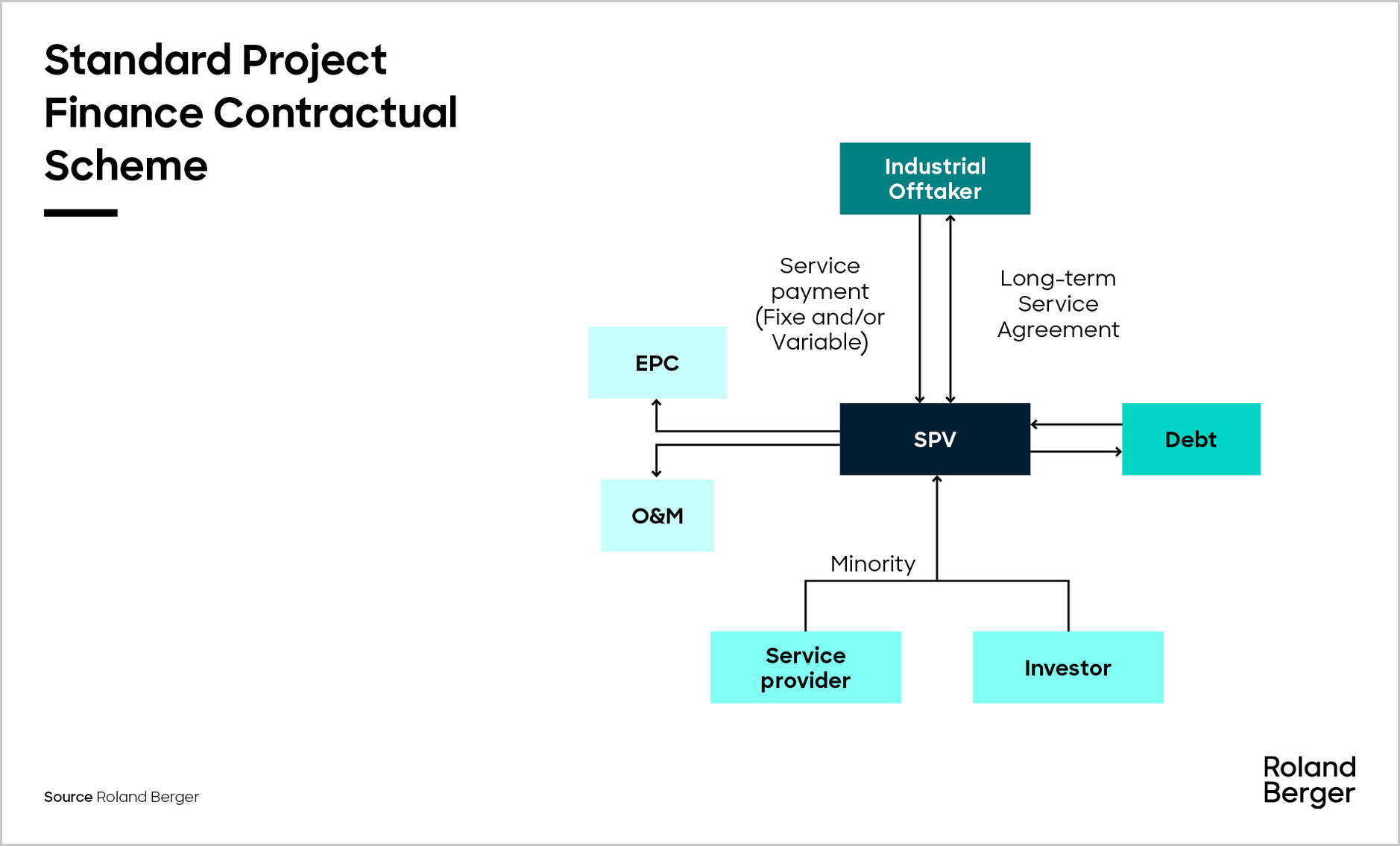
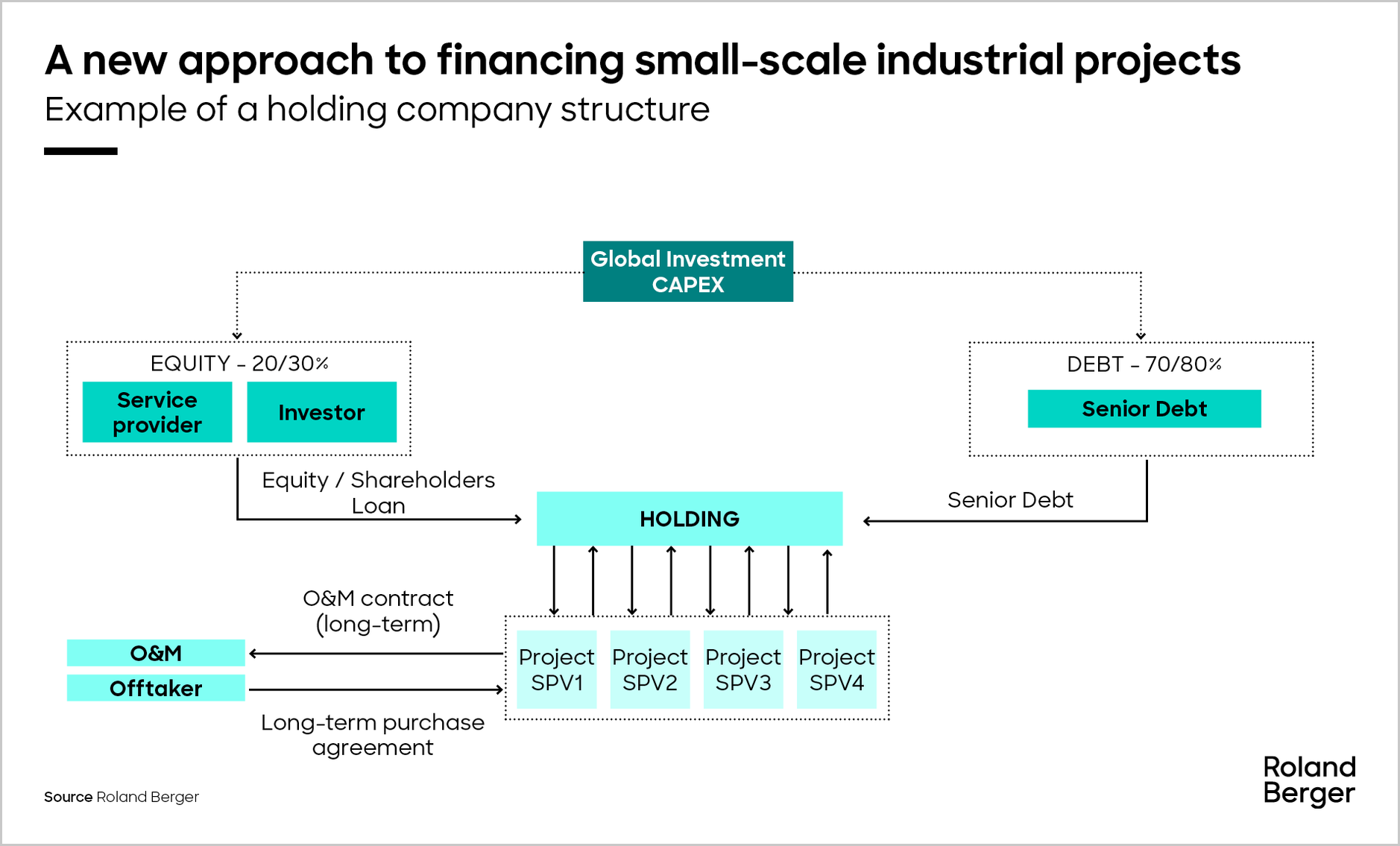
This approach supports service providers, industrials, and investors in overcoming the challenges of effectively investing in and implementing smaller-scale water and waste projects. Industrials benefit from the new solution, without outlaying the capital cost, while the service provider can focus on providing technical and operations support and offering a full package solution, including the financing of the assets.
Moreover, having an established, proven vehicle in place enables service providers to be much more responsive to the demands of their clients, and creates a true commercial advantage over competitors without such a partnership in place. The financing partner can also source project opportunities of its own, for example through industrial companies in its investment portfolio, which may require additional water, waste, or waste-to-energy facilities.
Similarly, the platform approach gives investors access to a breadth of opportunities that would otherwise not be as ‘investable’ on an individual basis, due to their size.
Aggregating small projects together and having a long-term commitment to jointly develop and fund a significant pipeline of projects gives them access and visibility and can improve the risk-to-return ratio through a portfolio effect.
We see this approach as being highly applicable to industrial outsourcing projects in both the water and waste sectors. Nevertheless, there are several factors that should be considered to improve the likelihood of success with this approach.
First and foremost is the identification and selection of the right partners and consideration as to how the arrangement will be aligned. Solution providers and financial investors have different approaches, roles, and constraints.
For instance, a service provider is typically looking at operating those assets on a long-term basis (15 or 20 years), while financial investors such as infrastructure funds have generally an investment horizon of five to seven years.
Another critical aspect is the return to the shareholders, as the financing partner will receive only an equity Internal Rate of Return (IRR) while the solution provider will also have a margin on the EPC and the O&M, and will, therefore, assess projects on a blended return basis.
It is key to give comfort to the investment partner by ensuring transparency, avoiding “value drain” to the EPC and O&M contracts. This can be achieved through open book procedures or independent oversight on behalf of both shareholders.
A thoughtful and strategic selection process is necessary to bring together the right partners and design the appropriate structure for such a venture to be successful. If you would like to explore how this approach might suit your organization, please feel free to get in touch.