Eliminate
Our research for the
Roadmap to True Zero report
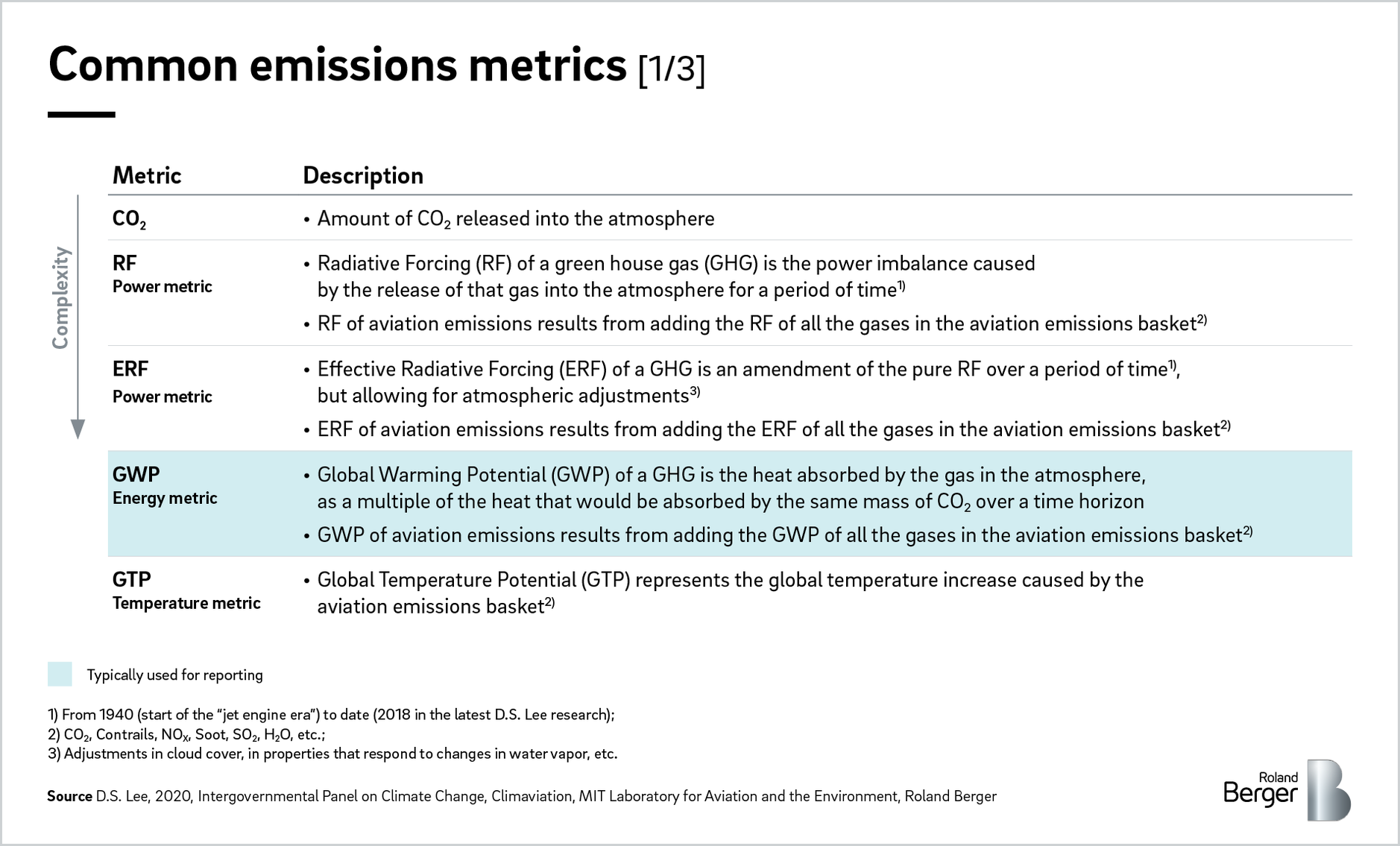
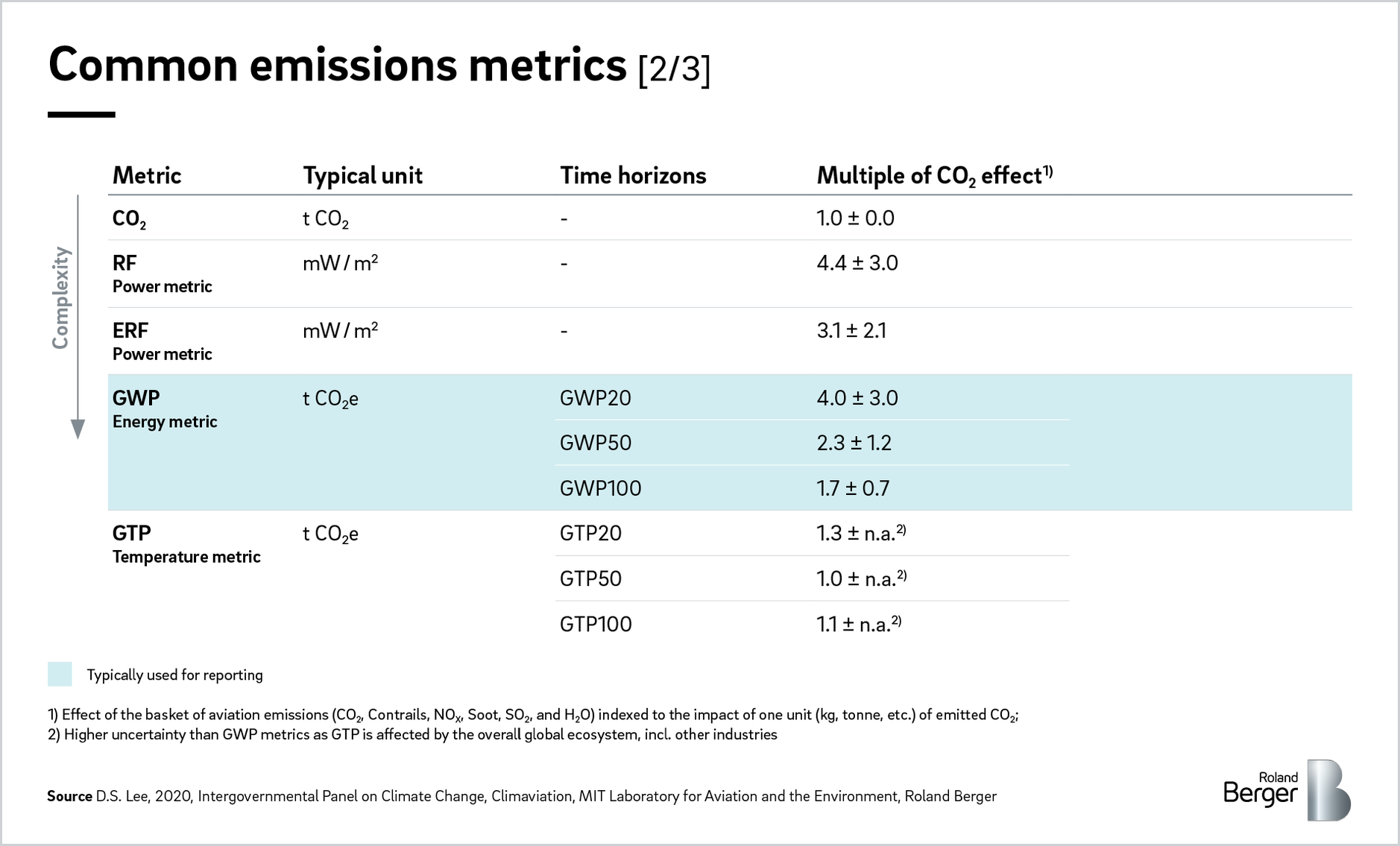
shows huge benefits in tackling CO2 and non-CO2 emissions together. True Zero can only be achieved if we take a holistic approach to emissions, and we know that non-CO2 emissions are a major part of the problem. So, with decarbonization efforts already underway, the industry must agree to look at the issue in its entirety and avoid further harmful delays. In fact, our broad-based sensitivity analysis demonstrates that this is true even if the science on non-CO2 emissions is not yet settled, within a 95% confidence interval.
Fortunately, by expanding the scope of the problem, we also expand the number of levers available to tackle it. Indeed, including non-CO2 emissions can maximize the overall impact of mitigation efforts. This means that typical aviation CO2 reduction levers, such as air traffic control improvements to plot more fuel-efficient routes, can also optimally reduce a flight's climate effect, for example, by minimizing contrails. Our modelling suggests that better coordination of flight operations to optimize flight routes reduces CO2-only emissions by 10%, but CO2 and non-CO2 effects by 30%.
The increased uptake of sustainable aviation fuels (SAFs) is another key lever in efforts to mitigate both CO2 and non-CO2 emissions. SAFs’ low-carbon-emission lifecycle obviously aids decarbonization. But reduced aromatics and other impurities in SAFs also reduce non-volatile particulate matter (nvPM) in the exhaust plume and can contribute to a reduction in contrails. While the exact quantum of impact is not yet fully understood, we can at least hypothesize that the effects of SAFs may go beyond mere CO2 mitigation.
Similarly, hydrogen technologies may also reduce non-CO2 effects through the use of significantly purer fuels, which also minimize nvPM. Current modelling results suggest that contrails produced by hydrogen aircraft may also be shorter-lived and thus less impactful. In addition, hydrogen fuel-cell aircraft may be able to significantly reduce NOx emissions as they do not need combustion chambers. Real world data is required to confirm these projections.
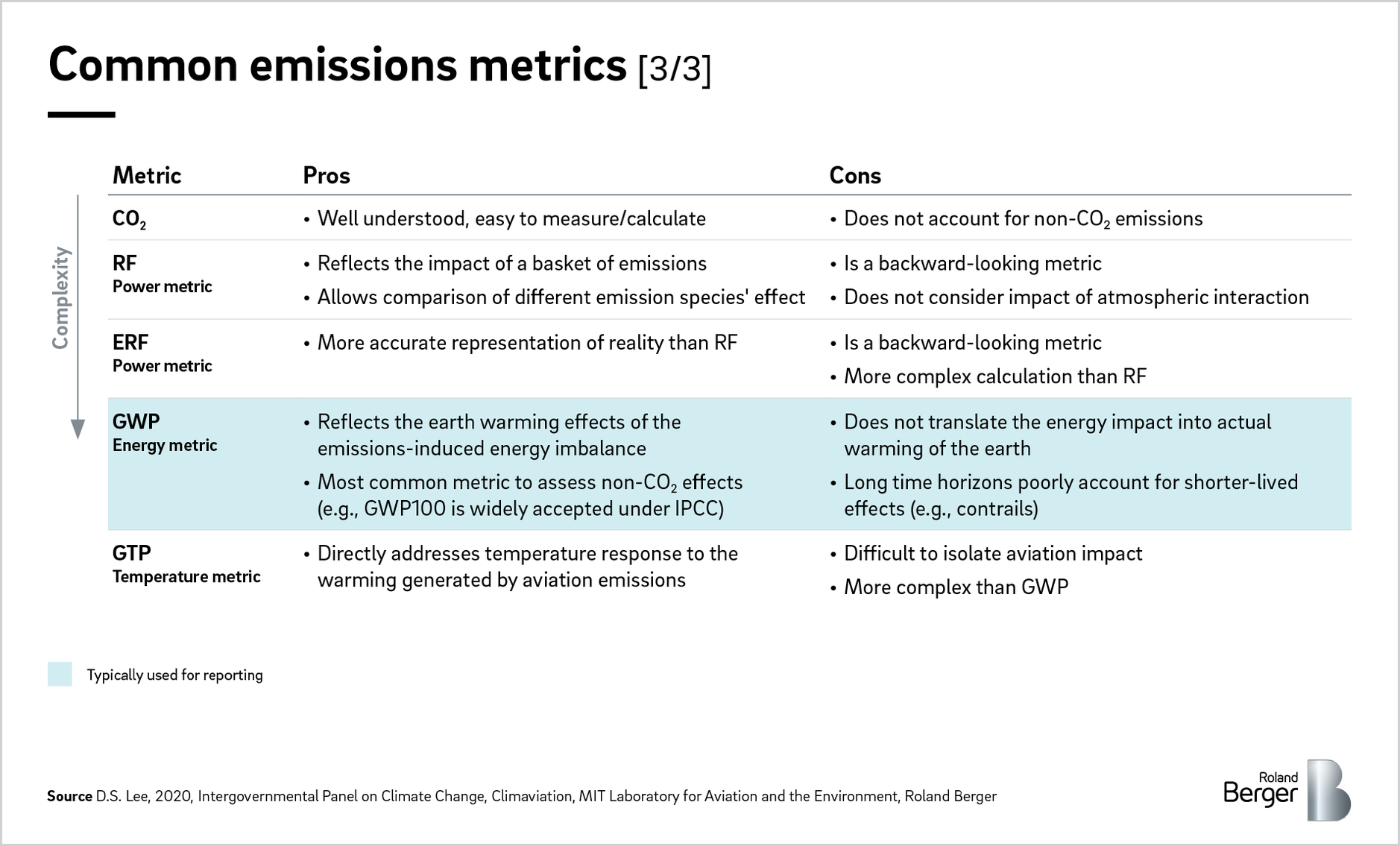
To conclude, dealing with non-CO2 emissions is critical to achieving True Zero. It is essential that the industry acknowledges this, and aligns on a standardized approach to track and measure these emissions to ensure we optimize the best levers. In addition, we must continue to invest in non-CO2 emissions research and mitigation strategies, while continuing to mitigate CO2 emissions.