Managing your wastewater effluent
What goes in, must come out, which is why the challenge of effectively managing your water risk extends beyond mere consumption. Wastewater effluent is a pivotal factor in reducing a business’s overall water risk, yet many companies fail to consider wastewater discharge as a potential risk to their business operations and reputation. Around 80% of the world’s wastewater is discharged back to the environment without any treatment. In fact, of the companies that report to CDP on their water risk, (a critical early step on the pathway to water leadership), 42% don’t monitor their wastewater discharge at all and only 12% set targets related to water pollution in 2022.
Ignoring your wastewater treatment and discharge brings significant risks across various aspects of your business. Untreated discharge can pollute water sources and the surrounding environment; potentially resulting in reputational damage, penalties, fines, or lost shareholder value.
Most importantly, unmanaged wastewater discharge carries serious environmental and health risks, with toxic pollutants capable of harming aquatic life, damaging ecosystems, and potentially threatening downstream communities by reducing water quality and spreading waterborne diseases.
For those who have yet to prioritize managing their wastewater or who are operating in less regulated environments, the focus should be taking responsibility for your effluent – whether you are discharging to the environment or a third-party waste handler. Many companies start by trying to reduce the overall volume of discharge, typically by increasing water recycling and reuse initiatives. It is also important to minimize the pollutants in the effluent, by reviewing your industrial processes, the chemicals used and by sourcing alternative ingredients, where possible.
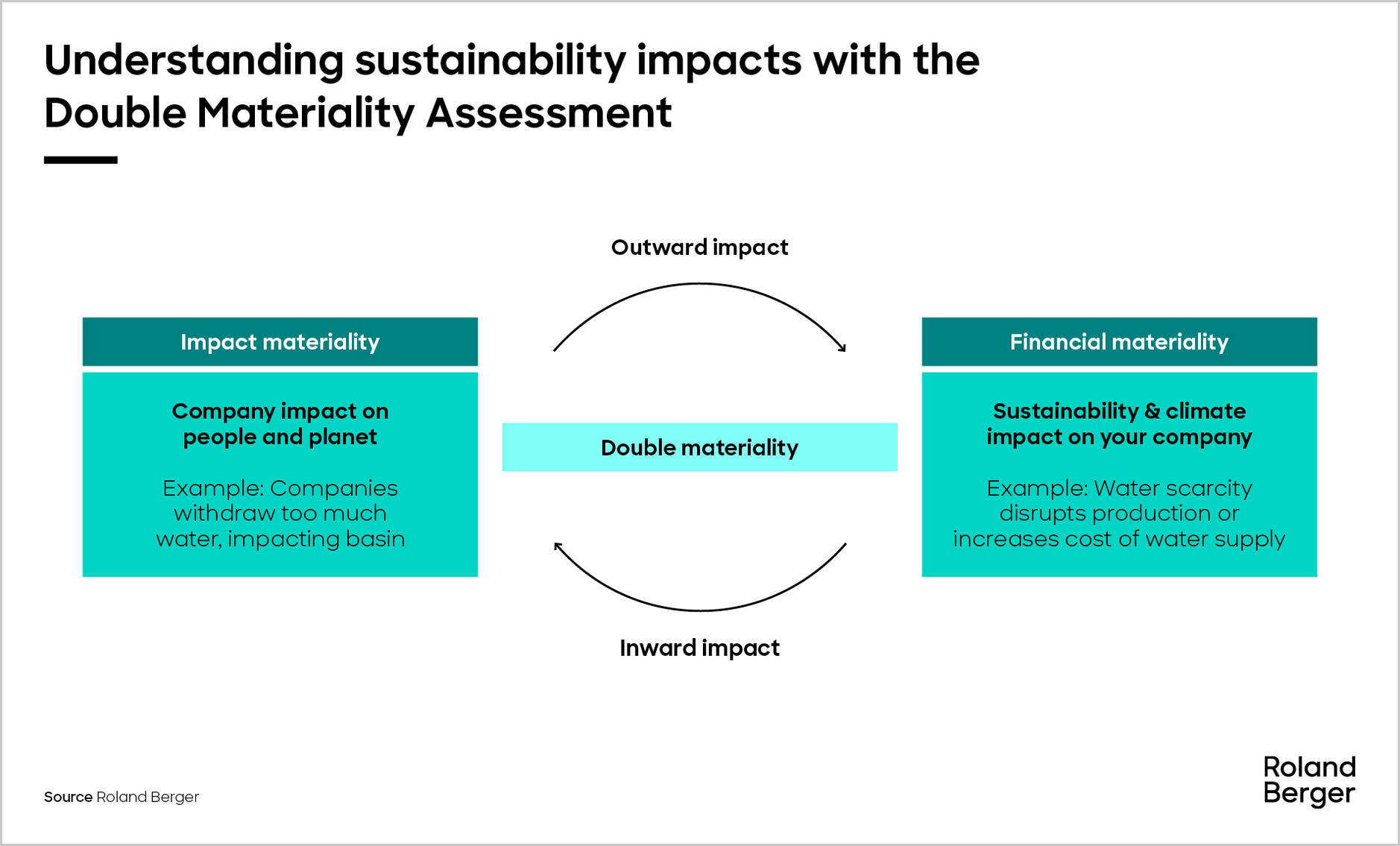
For those who are compliant with existing regulations, the challenge is maintaining compliance in the face of changing regulations and market conditions. Your sites may be 100% compliant according to today’s wastewater treatment management standards, however, you may face new disclosure requirements and/or regulations in the future relating to emerging contaminants that will require actions to comply. New regulations such as the EU’s Corporate Sustainability Reporting Directive (CSRD) begin to take effect this year and require greater focus and commitment to managing and monitoring both water consumption and wastewater discharge, as specified in the detailed reporting guidelines (European Sustainability Reporting Standards, ESRS).
Given the lack of attention that has been given to wastewater historically, this change presents an opportunity for companies to lead, establish best practices to become role models for others, and initiate collective action to address potential impacts of wastewater on our environment.
There are a few organizations working toward ‘best practice’ standards for wastewater discharge. In its 2030 strategy, fashion retailer H&M Group set its commitment to improving and monitoring discharge quality, including across its suppliers. The plan focuses on the impact of its effluent on receiving water bodies (both direct to nature or via wastewater treatment providers) and more broadly, decoupling its growth from its water use.
Largely driven by significant water use and its commitment to replenishing 100% of the water needed to make its finished beverages, Coca-Cola has developed water management goals that, incidentally, result in strong wastewater management practices and a circular, ‘outside-the-fence’ approach. Water used in its manufacturing process is treated to a quality supportive of aquatic life before being returned to nature or the local municipality.
Supported by a $1bn investment, this has shifted wastewater treatment to become a standard operating requirement at Coca-Cola, with 99% of plants being served by onsite wastewater treatment plants. In addition, Coca-Cola engages in outside-the-fence projects to replenish the water used in its projects to communities and nature, such as via watershed protection and WASH activities.
Companies who are well-informed about their external water risk picture and are ahead of new regulatory requirements, such as the EU CSRD, are well-positioned to not only mitigate water risk and ensure operational continuity but to become leaders in showcasing best practices to counterparts. By considering the full water cycle, both within and beyond the operational boundary, companies can scale their impact and play an instrumental role in collective action to influence our environment positively.