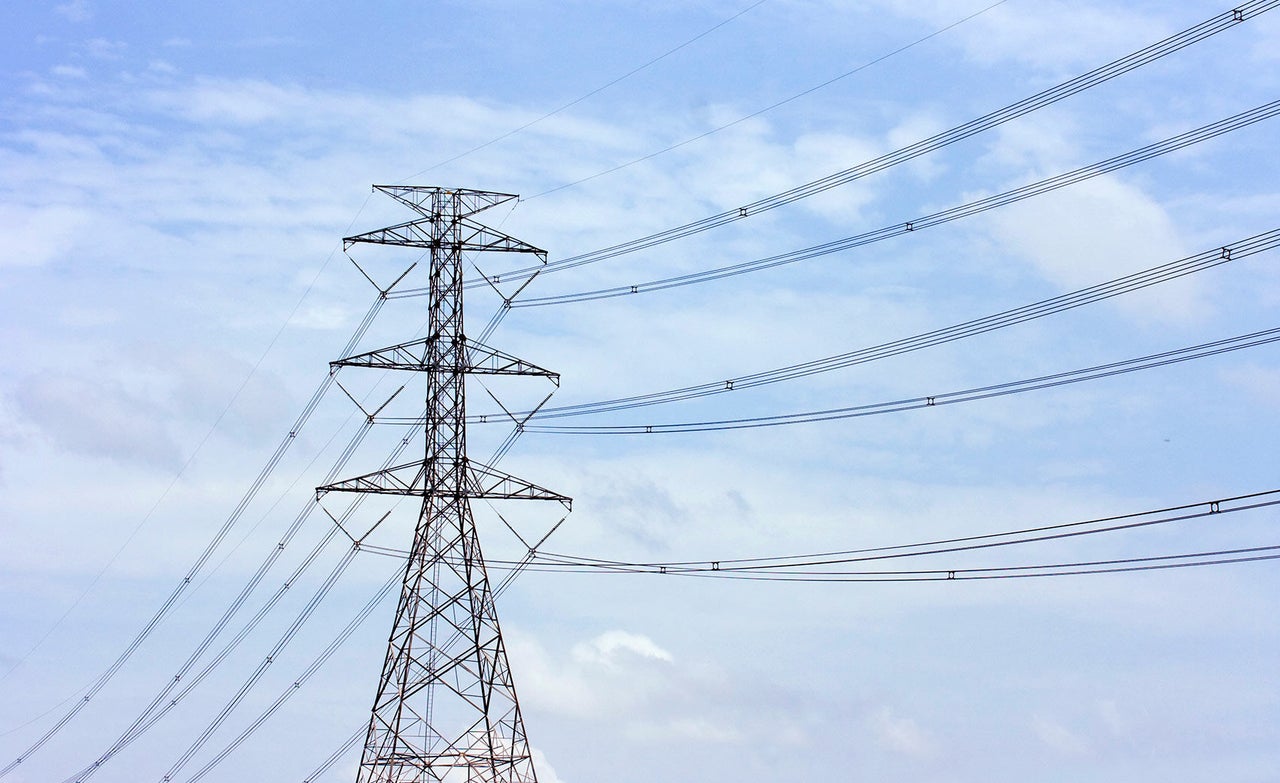
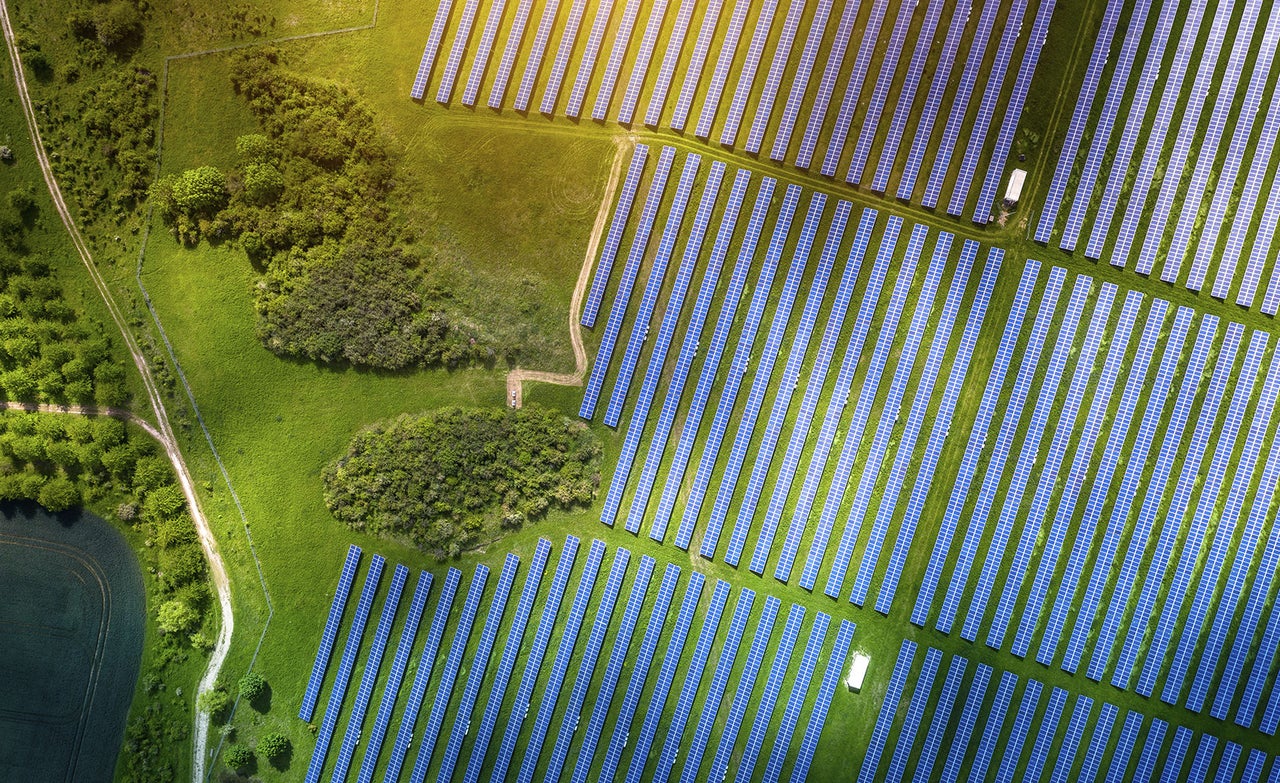
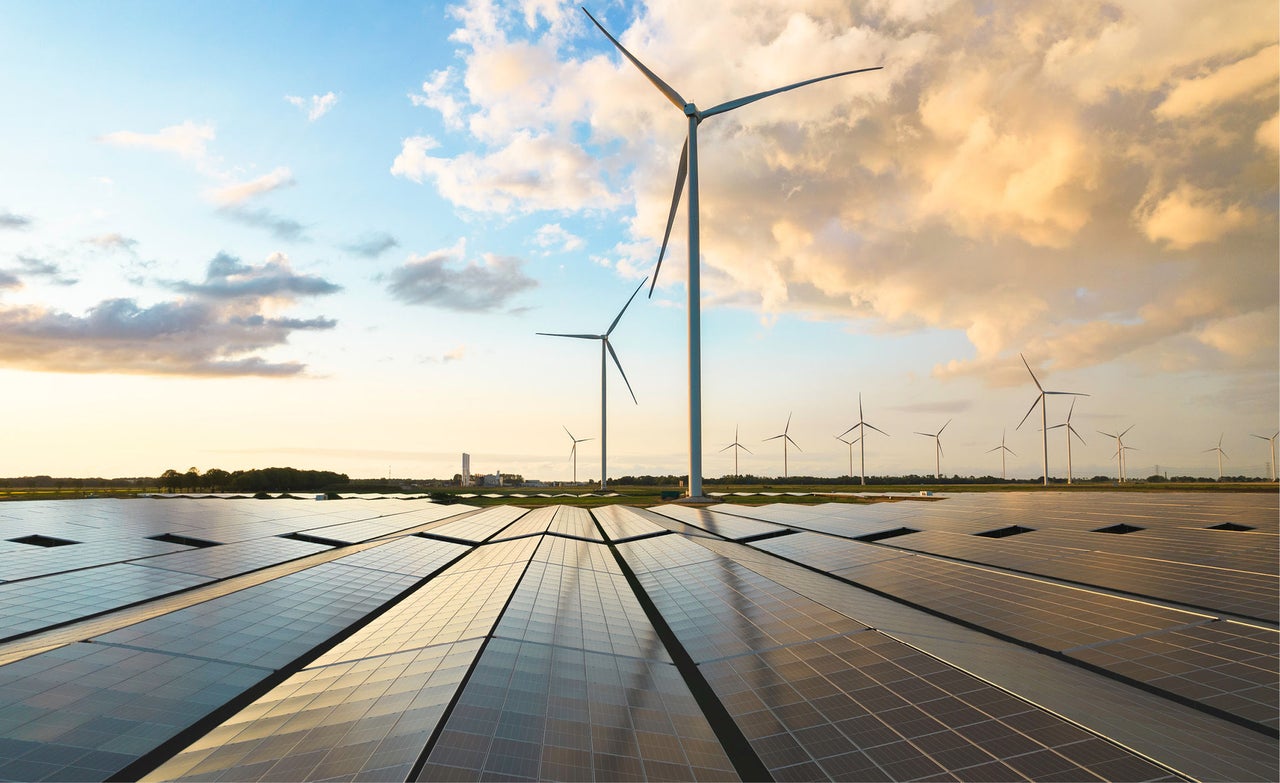
Building the new energy system. Creating the supply chains to produce the necessary equipment will be daunting. It will take massive capital deployment and the coordination of numerous stakeholders. In the early stages, the rush to build the required manufacturing capacity, power generation and transmission capacity, and clean fuels capacity (including hydrogen and biofuels) will likely result in near-term supply chain constraints, supplier shortages, and price spikes.
Ironically, these challenges will be further exacerbated by efforts to develop domestic supply chains to support the construction of a post-carbon energy system. The effects of the Russian invasion of the Ukraine on energy prices, availability, and the broader economy has provided a painful illustration of the dangers of dependence on a small set of energy trading partners. Compounded by bipartisan skepticism concerning the benefits of globalization, this has led to including strong incentives for domestic sourcing of the material and manufacturing inputs of the energy transition, reflected in the content of the IRA.
The US currently lacks much of the requisite mineral production/processing and manufacturing facilities and skilled labor to produce batteries, or PV or offshore wind turbines. While creating a domestic supply base may well have longer term geopolitical and (domestic) political benefits, insisting on domestic source has a good chance of exacerbating upward pressure on the cost to build out the decarbonized energy system, and delaying its take off.
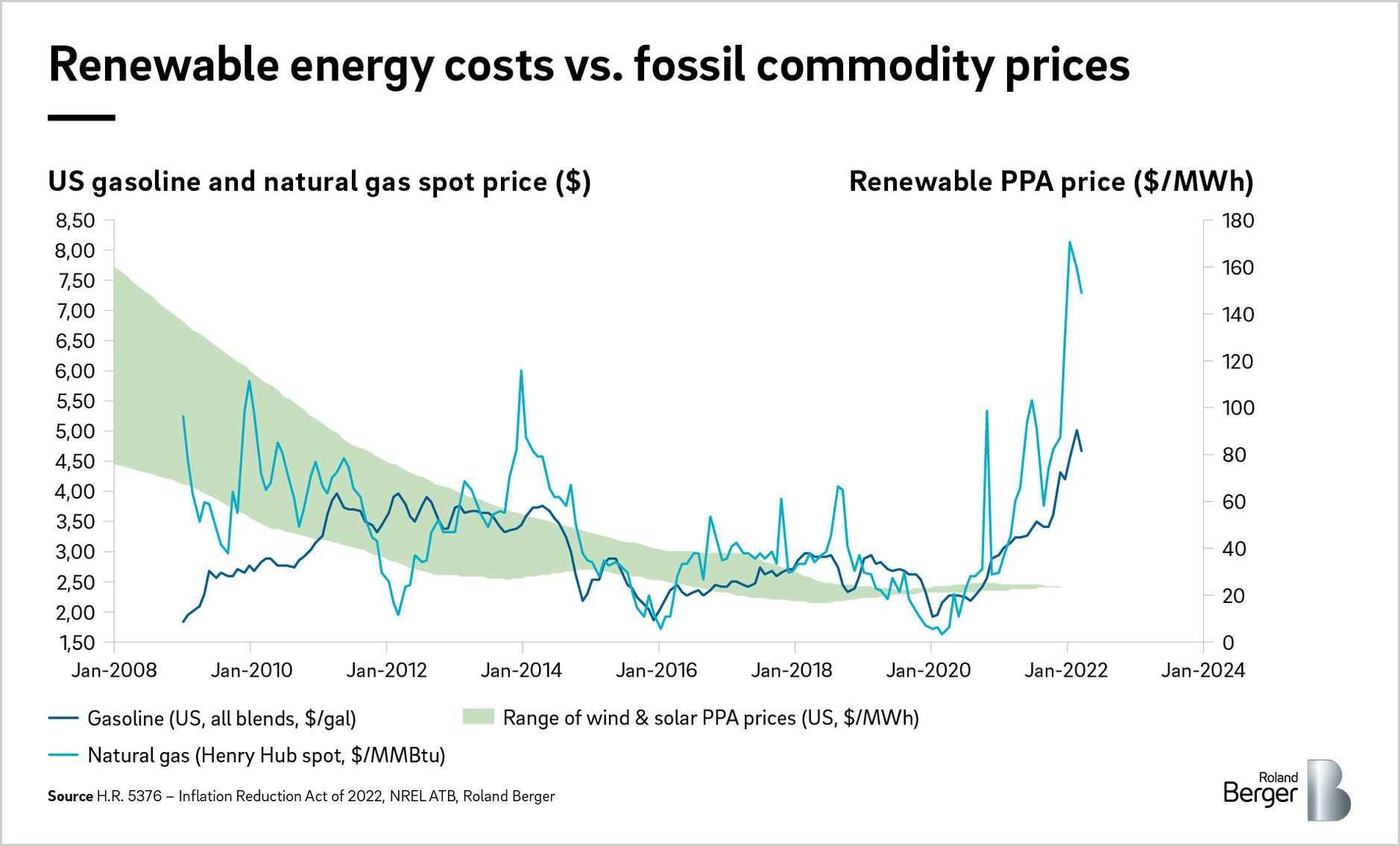
This could in itself lead to near-term increases in the capital equipment critical for the energy transition, temporarily reversing decades of impressive cost declines, and thus driving higher energy prices. Price increases resulting from supply chain kinks will be exacerbated by the hesitancy of investors to deploy capital for conventional energy infrastructure, such as gas-fired generation or life-extension investments in nuclear plants. These resources provide a necessary bridge between the current energy system and the future decarbonized system. As a consequence, challenges to system reliability and periods of severe price volatility may come to be seen as intrinsic features of a decarbonized energy system, rather than symptoms of a poorly orchestrated transition.