Which partnerships in the airport ecosystem do you consider particularly important for improving the environmental footprint?
We use a carrot and stick approach.
The stick: Today we have an approval policy – all operational partners can set up on the platform, subject to technical conditions – and it is relatively easy to do so.
But our objective, for reasons of improving service quality, limiting congestion, improving safety and security, etc., is to move towards a licensing system – which will integrate strong environmental constraints. This will force ground operators to
decarbonize their fleets
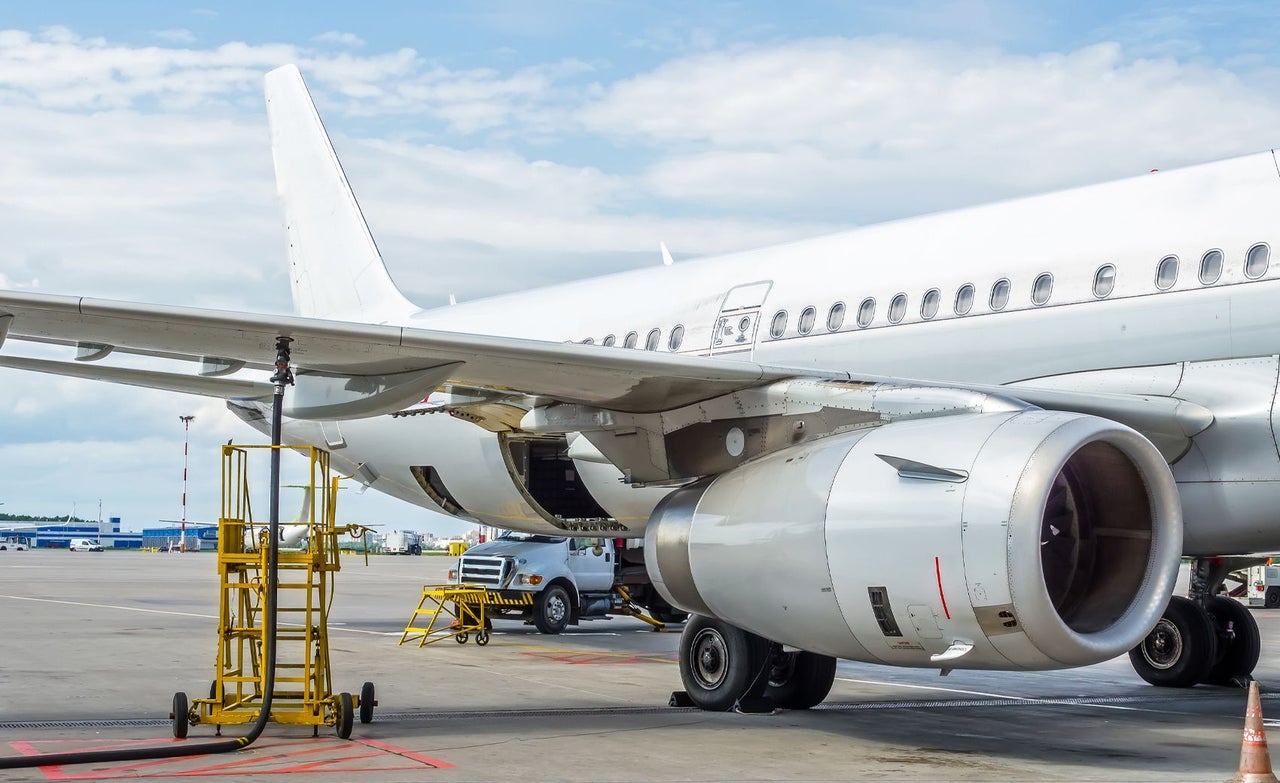
(in particular GSEs). The constraint, which is of course progressive, is in line with the same philosophy as what Europe is doing with the incorporation of SAF.
The partnership in all of this is the carrot – which consists of working on adoption.
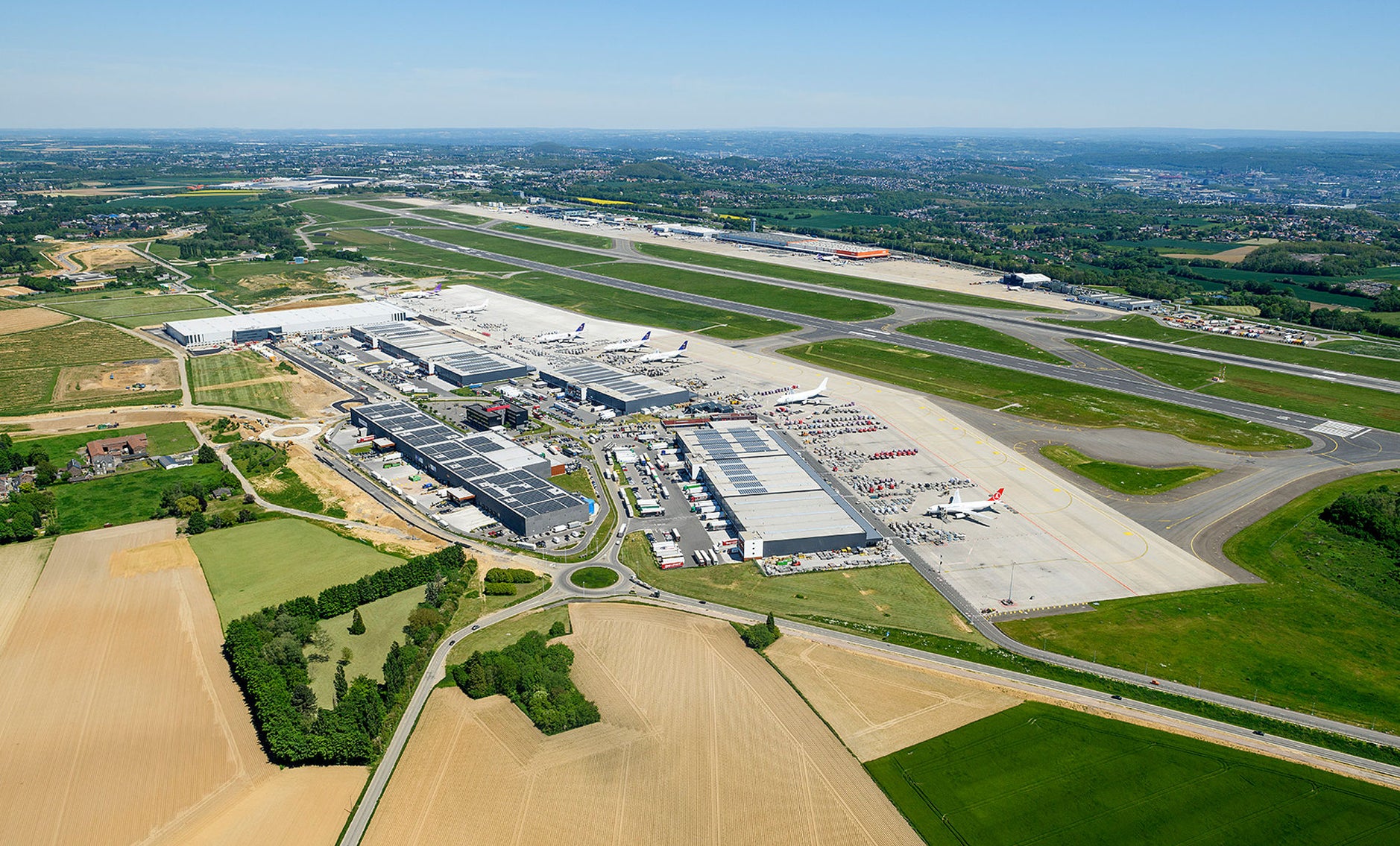
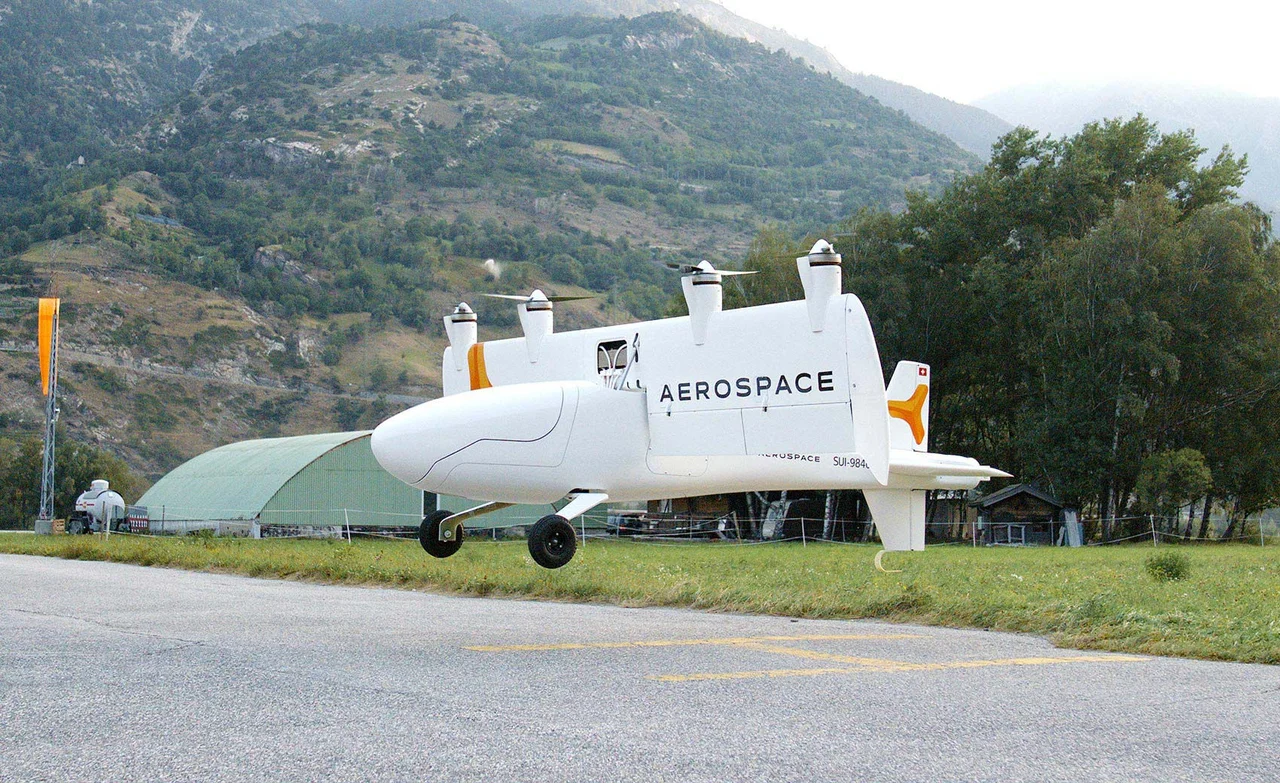
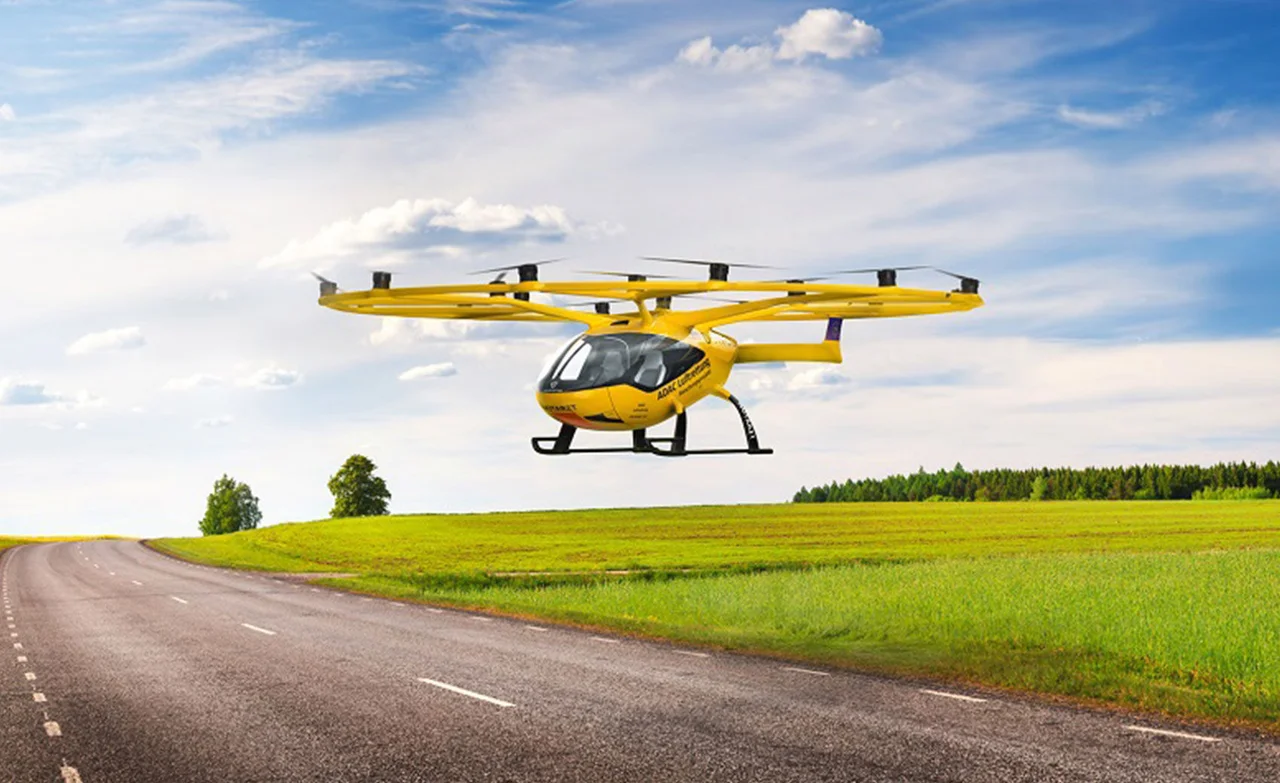
Today, there is still no clear vision on the market of the alternative energy that will prevail. We are talking about electricity, LNG, CNG, hydrogen... Our objective is to create an energy roadmap: We make an inventory of the equipment used on the platform, of the vehicles in contact with the site (trucks, light vehicles, etc.) – and on this basis we make projections and propose different types of alternative energy: a hydrogen station, vehicle charging stations, CNG and LNG supply.
The approaches are at different stages and, depending on the adoption, we move to the next stage:
- Hydrogen: a modest size station
- Electrical connections: sufficient to prime the pump
- CNG and LNG supply: the same
We have decided to launch these four types of alternative energies in parallel – and then select the most relevant one(s) according to the usage we observe.
In the partnership system, we are investing to encourage adoption by the whole ecosystem, both inside and outside the site (e.g. supply solutions for truckers in landside access).
On electricity, we are doing cogeneration, installation of solar panels on buildings, green electricity purchase contracts, and so on.
And on the airline level, we will install 400Hz electric positions and we will be able in the near future to propose accessibility solutions to SAF through our pipeline.
In total, there are 6 pillars in our environmental strategy that cover the standard themes:
- Noise
- CO2
- Mobility
- Water quality
- Soils
- Biodiversity