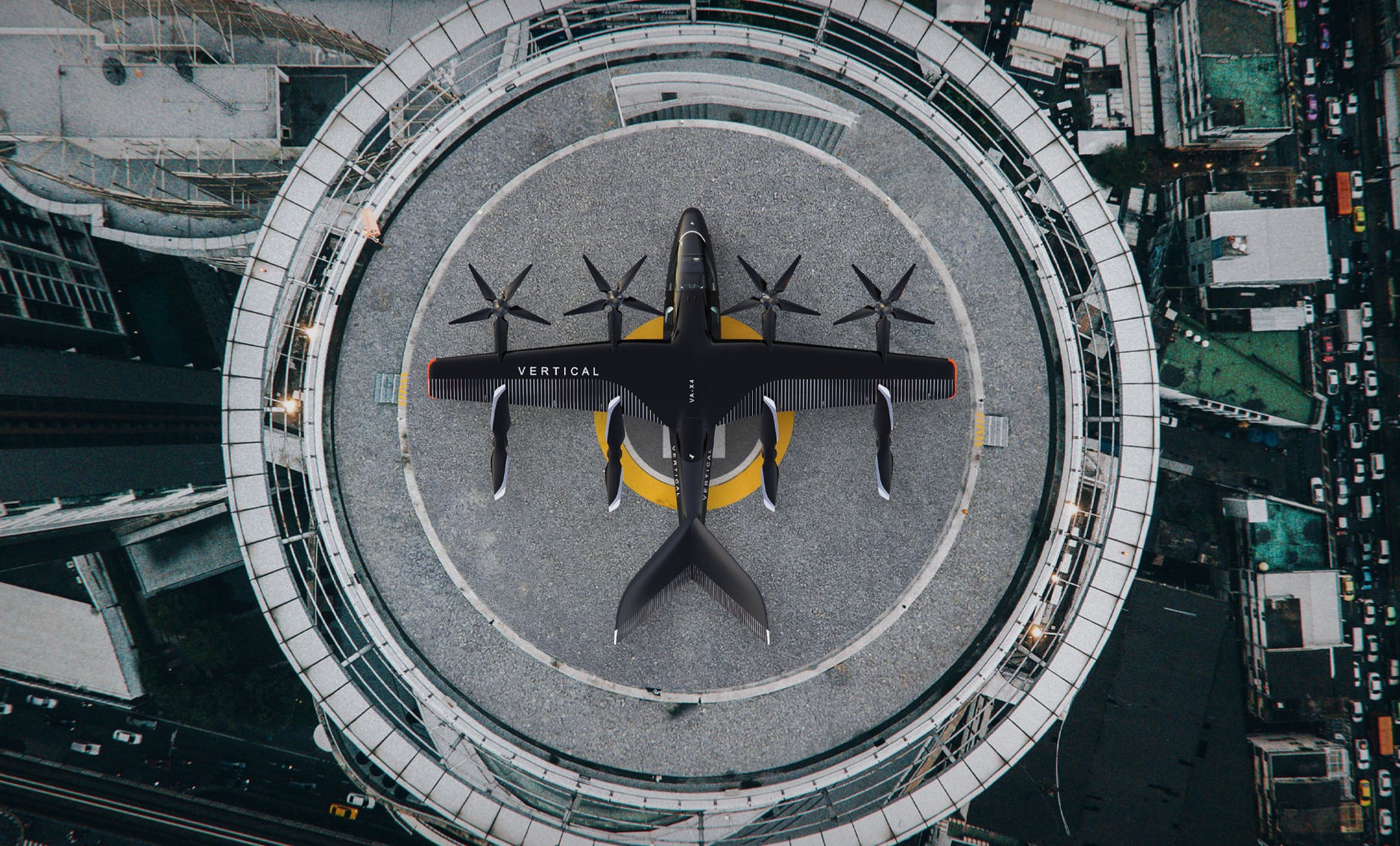
What is the vision of Vertical Aerospace in the advanced air mobility sector? And how does it differ from other AAM companies such as Joby, Lilium and Archer?
Stephen Fitzpatrick: We don’t try to do everything ourselves. Instead, we have developed an ecosystem of leading partners. The most credible industry and technology players have chosen Vertical to electrify air travel, including Rolls-Royce, Honeywell, Solvay, GKN, Leonardo, and Microsoft. And with such a strong partnership model, we need significantly less capital than our competitors. We can leverage our partners’ R&D capabilities, as well as de-risk operational execution. Two of the biggest challenges are
certification
and – at least for this decade – dealing with supply chain constraints. Again, though, our strong partnerships let us work with experienced industry leaders in various areas of specialization.
Vertical Aerospace adopts a risk-conscious approach to certification, built around in-depth technology and years of experience. As I said earlier, we have the knowledge to build the best aircraft. And we want to position the company in such a way that it can scale up efficiently despite existing supply chain constraints. The market potential is huge.
We also have a different go-to-market strategy. Our mission is to develop the leading electric aircraft and provide the best after-sales service. While we are working with our customers on operations, this is not a primary focus of the business. Instead, we concentrate on product definition and usage profiles: What do local markets want? How can we adapt our product accordingly? The joy of this approach is that it gives us a solid base for cash flow planning. We have already pre-sold three years’ worth of production.