Which use cases have you defined, and in what time frame do you think they can be implemented?
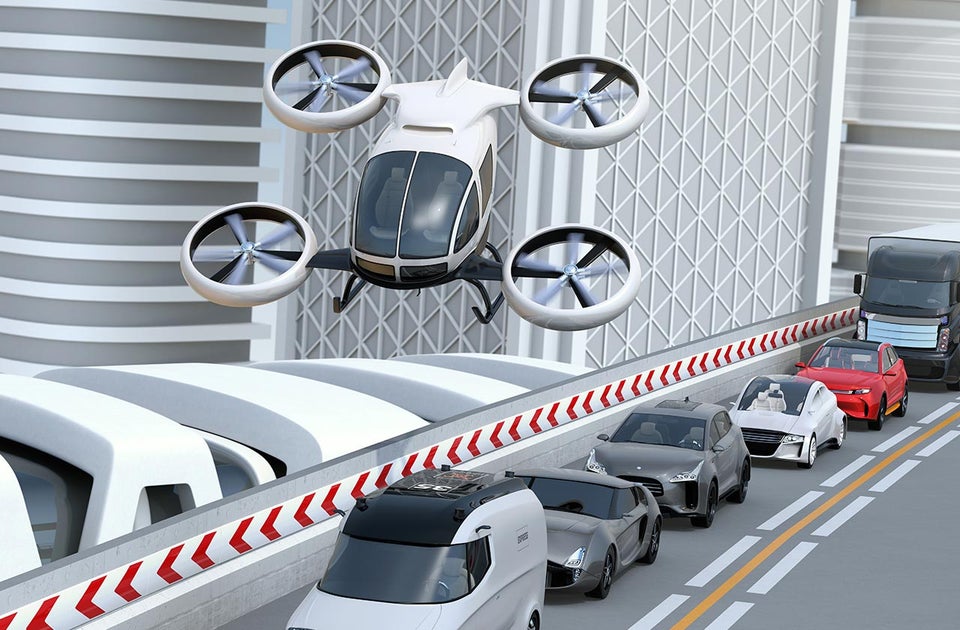
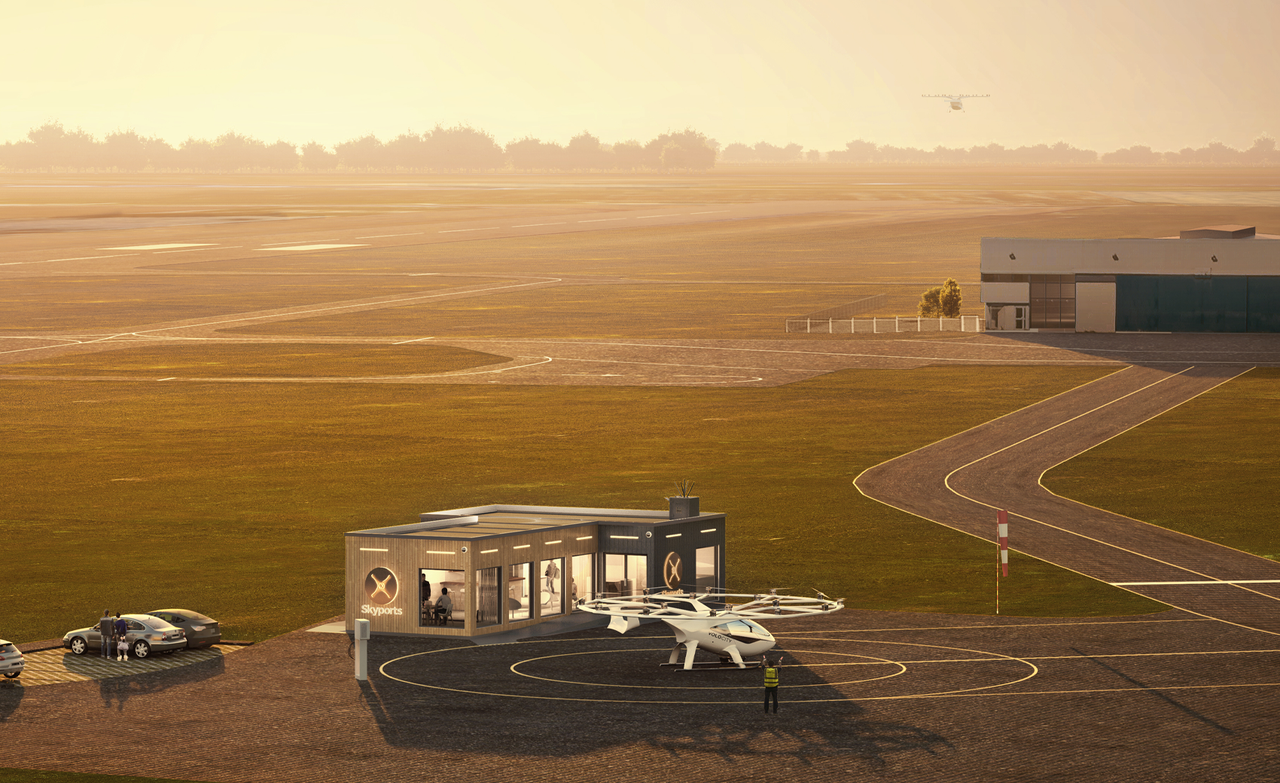
The use cases can be summarized as follows: First, the transport of sick people and medically related supplies where lives are at stake and time is of the essence as a replacement for existing air transport modes like helicopters. The next use case would be commercial transport, not only as a complement to taxis but also for business customers to interlink, for example, to factories across a city. Finally, the third use case would definitely be private transport, but only in the future. Further use cases will be defined and refined, particularly in our initiative workshops, with the industry partners and relevant authorities. The listing and investigation of those use cases should allow for an estimation of what the complexity and needs will be in each case.
You have mentioned different partners; could you list some more?
In addition to Airbus and Audi, we will benefit from strong support from the local, regional and federal government, as reflected by many ministers who have signed the UAM manifesto. In terms of industrial actors, we will also benefit from the involvement of the DLR (German
Aerospace
Center), the Red Cross of Bavaria, some police authorities, the airport of Manching with its specific test facilities, and the commercial airports of Nurnberg and Munich, as well as other relevant actors like ITALDESIGN (working with Pop.Up Airbus / Audi), Roland Berger, and so many others.
You defined three uses cases. Do you believe UAM will be driven mostly as a private taxi business model or more like a public transport solution handled by cities?
I do not believe it will be part of a public transport solution. After our first discussion with different OEMs, the energy and autonomy requirements that the vehicles will face are too high for today. But other use cases involving fewer passengers are possible. Such devices can be seen as a complement to the existing offer, as we already have some taxis being used to complement public transport in some parts of the network. In this case, we are speaking about a mode of transport complementary to the overall mobility network that will not have the capacity or load of a bus, but will still find a business rationale in some part of the network. Different niches could come to light that will make commercial sense and fill the gap between the public transport of a relatively low number of passengers and individual motorized transport.