AI-based
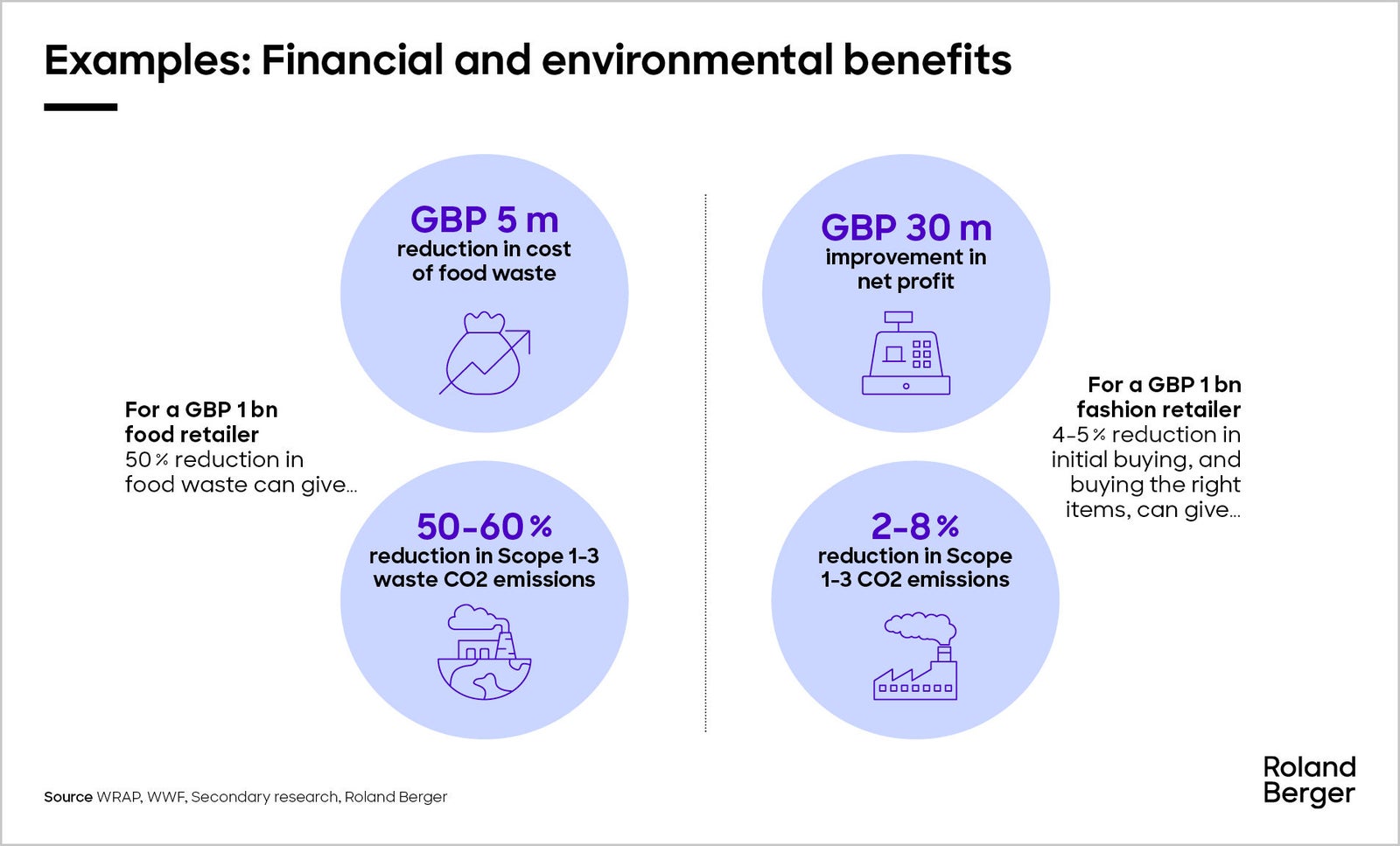
waste reduction investments, startups, and applications have greatly improved over the last decade, resulting in improved forecasting, computer vision waste detection, and autonomous farming bots.
In agriculture for example, AI-powered
precision farming
and autonomous robots can optimize resource use and reduce crop wastage. In food manufacturing, AI-driven solutions minimize waste and enhance efficiency. In the fashion industry, AI applications in digital design, inventory management forecasting, and recycling show significant potential.
Applications already reducing waste
Unlike AI applications in other industries that are still a work in progress, AI-based waste reduction is already having an impact in both the food and fashion industries. For example, many start-ups such as Hyperplan in France, Benchmark Labs in the US, and global customers such as Walmart are now using AI solutions to support precision agriculture, real-time crop monitoring, fertilizer and pesticide optimisation, smart irrigation, and autonomous robotic farming.
While fashion items are significantly less perishable, there is a lot of in-built overproduction in the industry, due to the inherent difficulty of accurately forecasting what and how much to produce. But AI-assisted 3D tools are already having a big impact on waste reduction in the digital design, sampling, inspection, and inventory planning processes. In one example, Optitex has reported that its software can reduce physical samples and product timelines by as much as 50%.
And those are just the tip of the iceberg in terms of working examples today. For more information on how AI is reducing food and fashion waste, please read our full report.