Renewable energy sources
have changed the face of power grids. Whereas once grids were based around a few large power plants and their associated transmission and distribution networks, today grids must accommodate a multitude of small, decentralized, inverter-based sources such as solar panels. This has created a dynamic ecosystem where the requirements and behavior of one inter-connected region rarely match those of another.
But the transition has also created a headache for industry players, who must now deal with far greater complexity and unpredictability in the system, as well as higher potential for damage. This was dramatically highlighted in April 2025 when a grid malfunction resulted in a total blackout in the Iberian Peninsula. To address these challenges, grid operators are increasingly looking to smart grids based on digital cables. These meet
grid modernization
needs by offering real-time monitoring, better fault detection and full performance transparency. This means significant opportunities for providers of smart solutions.
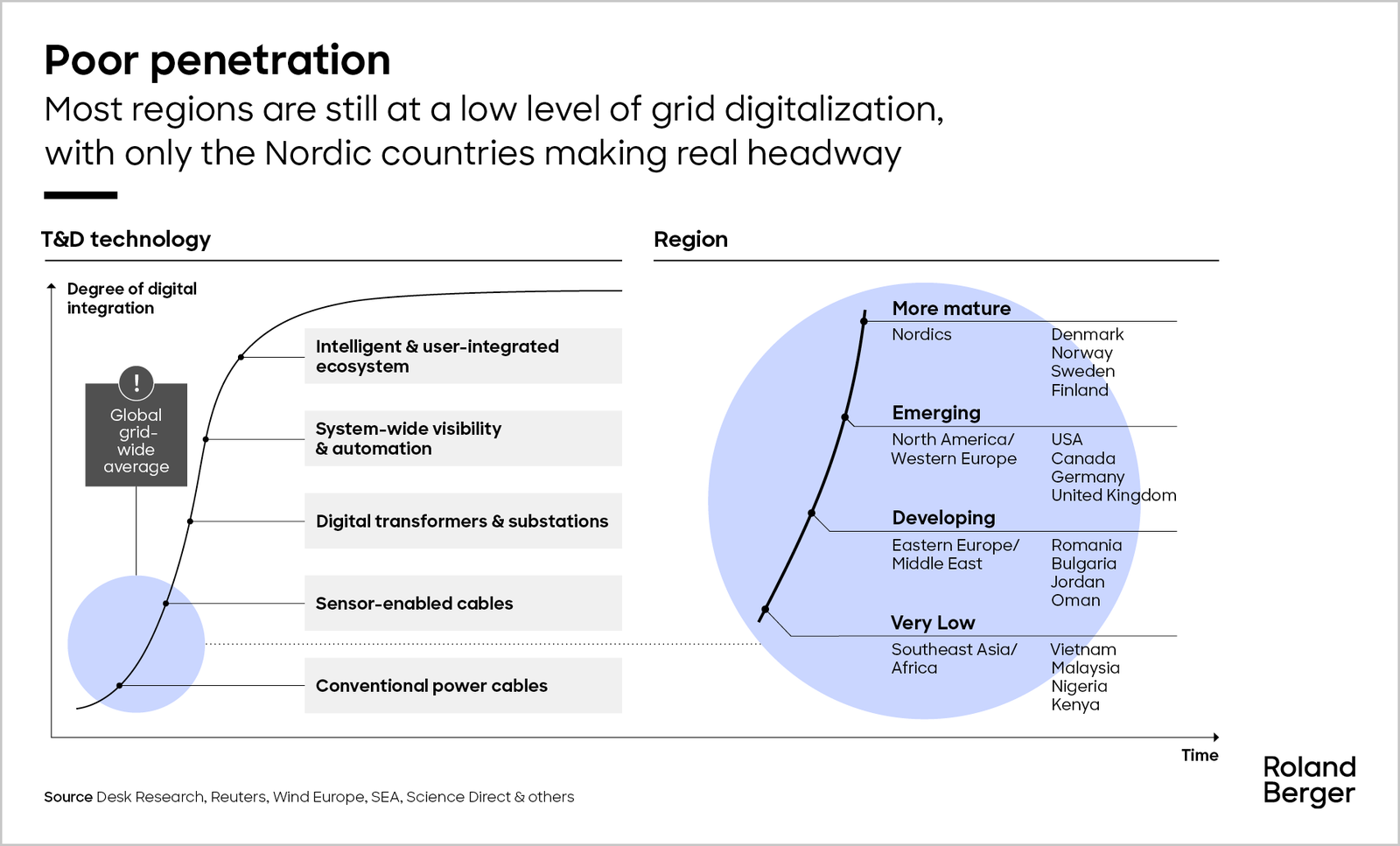
But the transition to smart grids cannot be done at the flick of a switch – grid operators face several challenges and market players need to know which areas to prioritize. Our report on digital cables assesses the difficulties involved in grid modernization, highlighting how sensor-integrated digital cables can help to overcome them. It also outlines the growth opportunities for equipment manufacturers, with a focus on priority areas.
The need for grid modernization
The switch to inverter-based generating sources, such as wind and solar power, is one of the key challenges facing future grids. Traditional coal, gas or nuclear generators provide system inertia to buffer changes in grid frequency, for example, those caused by harmonics (big frequency fluctuations). But inverter-dominated grids are far more susceptible to frequency changes. The result is increased instability and potential damage to grid infrastructure. This was one of the key factors behind the Iberian blackout, as outlined in a case study in the report.
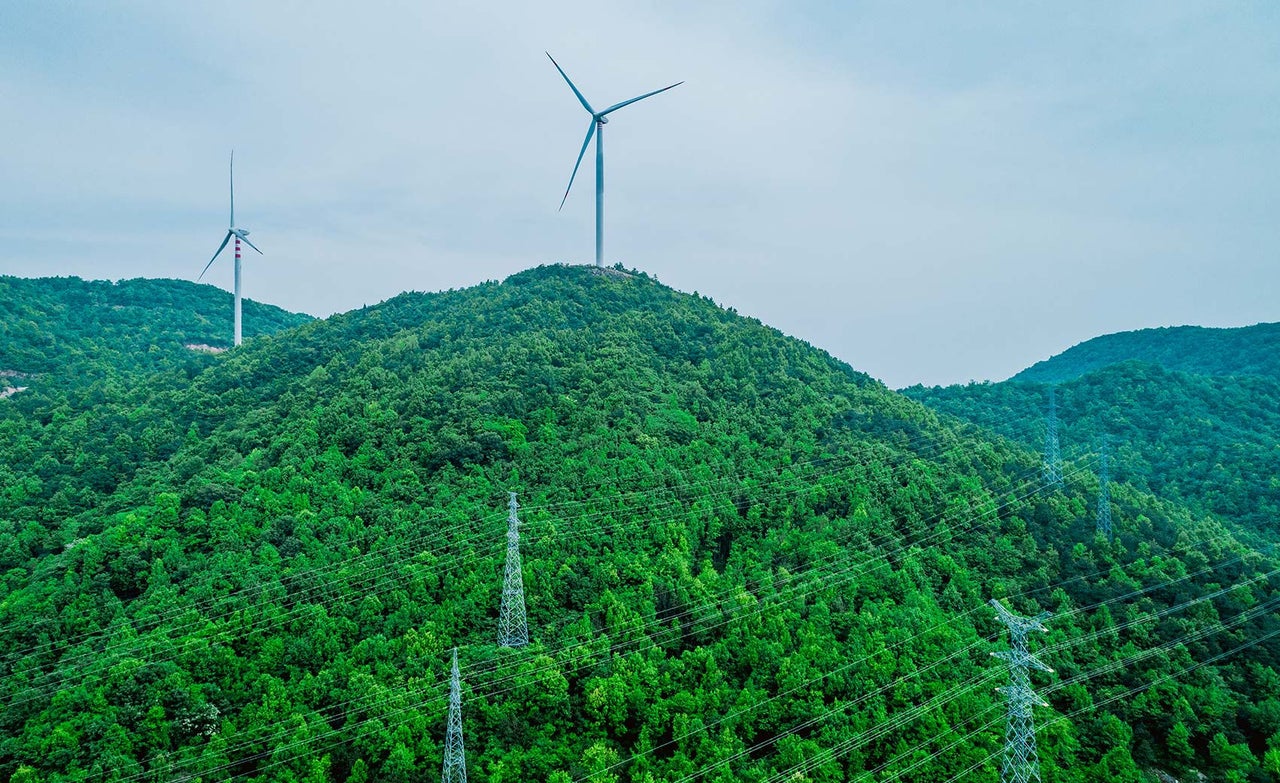
Feeding renewable energy into grids is another major challenge. It places additional stress on cables due to the intermittent nature of sources such as wind power, which cause fluctuating power outputs. Financial losses due to this can be significant – more than 50% of the total financial losses incurred from offshore wind power, for example. Transparency in the grid and cables is key to identifying and managing these problems.