Fundamental economic importance of the sector for Germany
Even though the rise in international competition is continuing unabated (particularly with suppliers from the United States and China entering the fray), German suppliers have so far been able to successfully defend their position on the global market. Green and resource-efficient products, technology and services "made in Germany" are highly esteemed worldwide and are responsible for the strong export performance of Germany's green tech sector: While Germany's share of global economic output is around 3 percent, German green tech companies account for some 14 percent of the sector's global market, with Europe being the biggest sales market. But alongside Russia and China, other countries including Brazil, Mexico, Canada, Japan and South Korea are also becoming increasingly important export destinations.
Competitive costs are the basis for future success
For German companies operating in this sector, retaining their good position in the domestic and international markets will be the big challenge in the upcoming years. To do so they will need not only innovative products but above all a competitive cost structure. In product development, it will be essential to keep development costs, product design as well as manufacturing costs and material costs constantly optimized. And process costs in purchasing, logistics, sales and energy supply will have to be reduced at the same time. That is why digitalization, process efficiency and a strict focus on value creation are among the most pressing challenges for the industry as players strive to
remain competitive long term
.
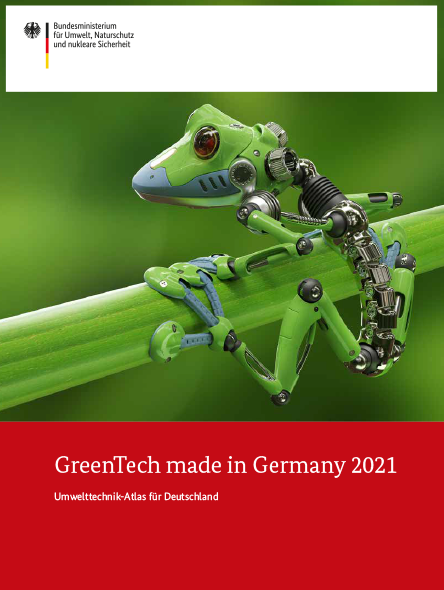
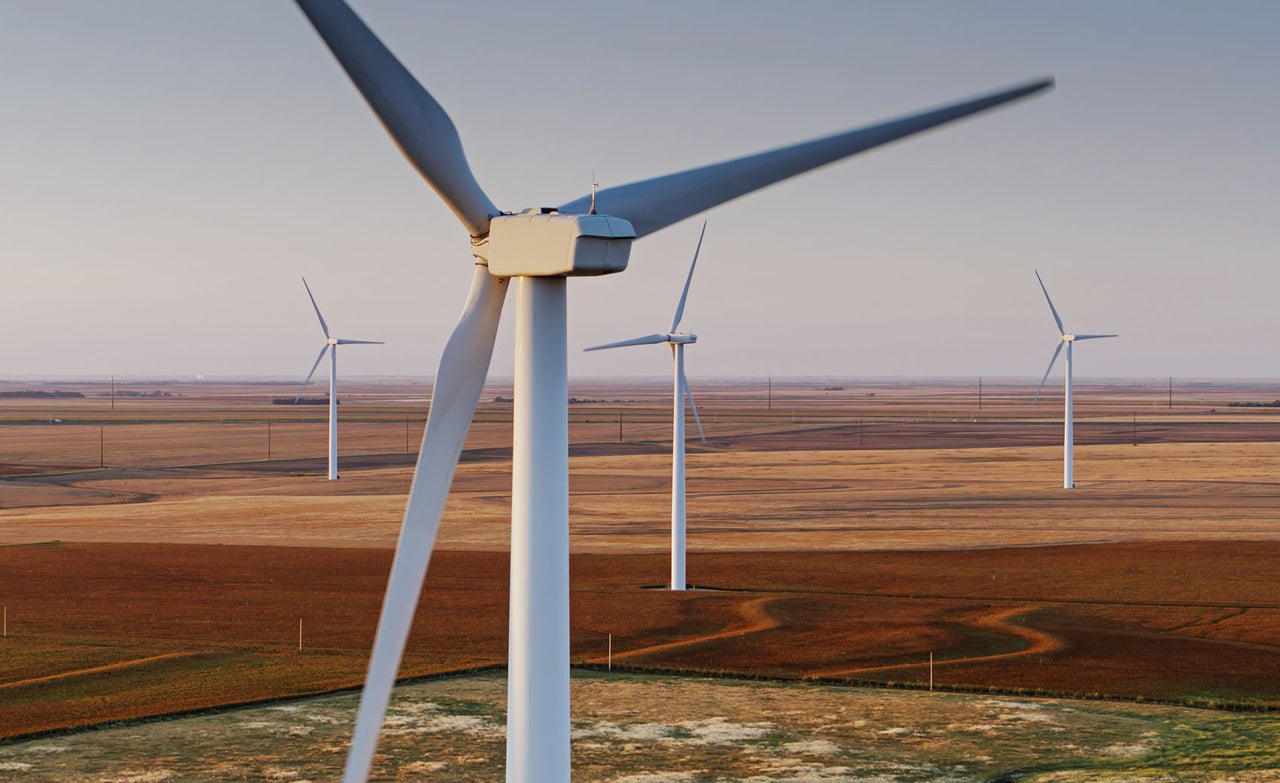
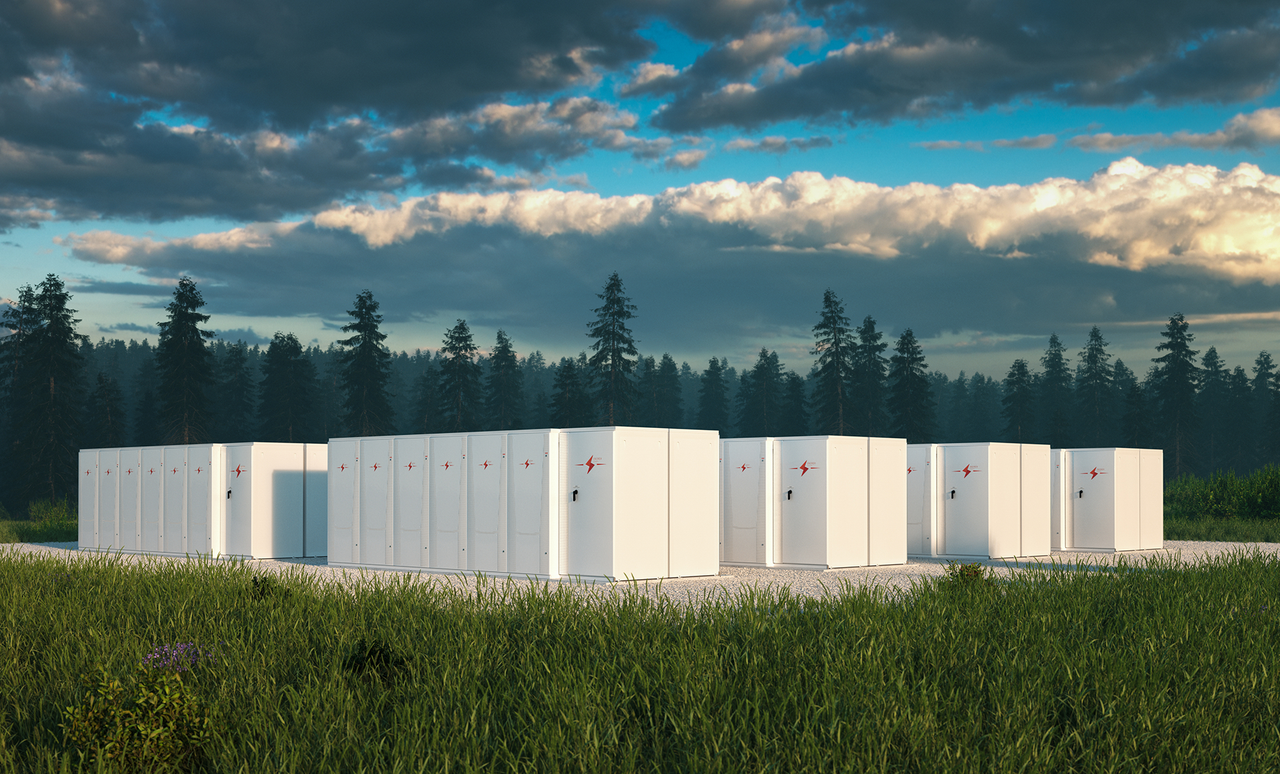
Environmental technology and resource efficiency, aka green tech, is a classic cross-sectoral industry. In the latest edition of the Environmental Technology Atlas, a publication that Roland Berger has written and updated on behalf of the Federal Ministry for the Environment, Nature Conservation and Nuclear Safety for the past twelve years, seven lead markets are described in detail, along with their respective market segments and technology lines. These include environmentally friendly power generation, storage and distribution, energy efficiency, material efficiency, sustainable mobility, waste management and recycling, sustainable water management, and
sustainable agriculture
and forestry.