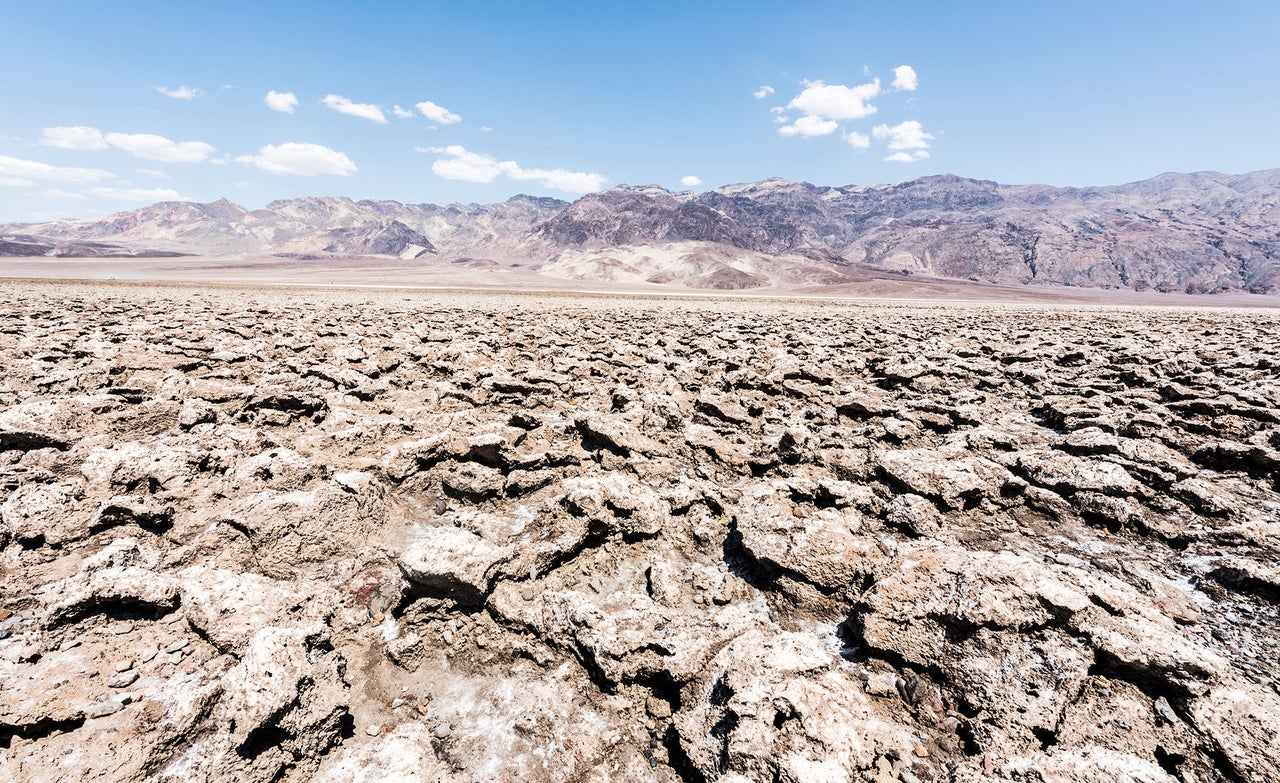
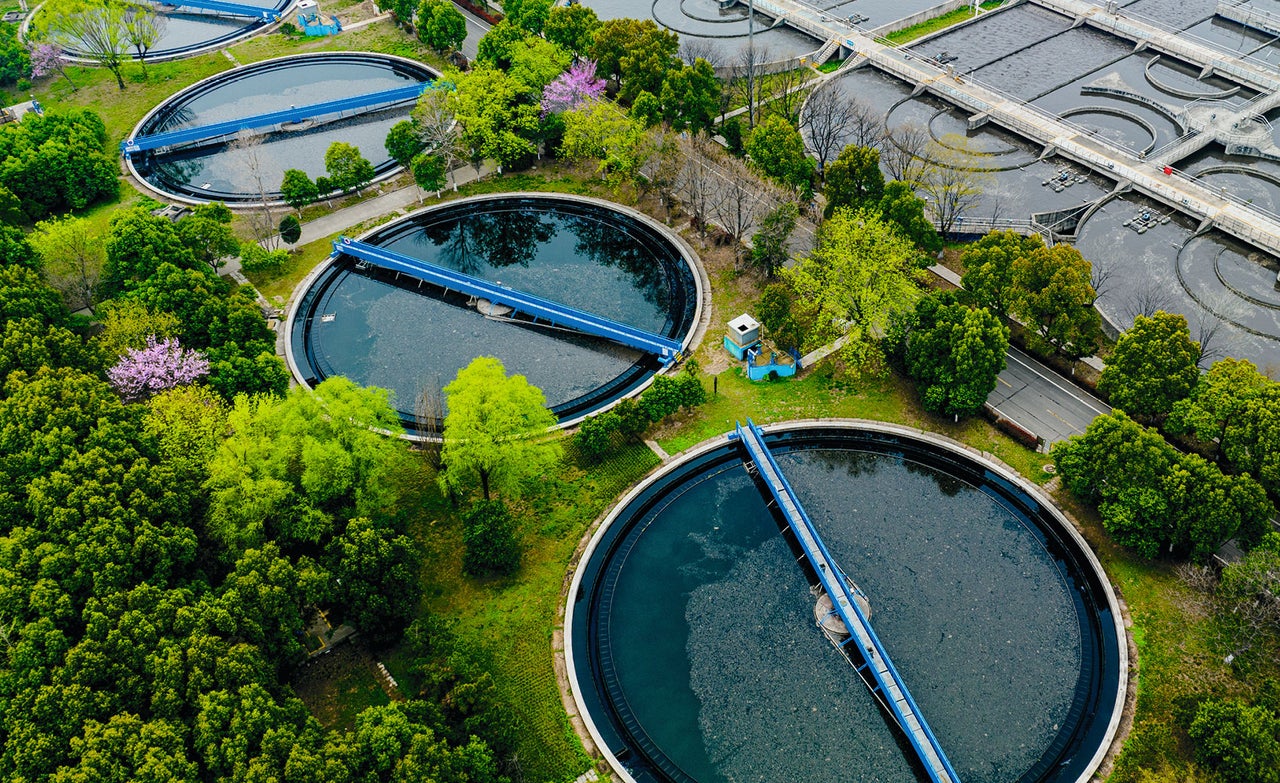
Water risk typically occurs when the demand for water exceeds supply, when poor water quality restricts its use, or during extreme weather events. It can take many forms but typically manifests as the depletion of water sources, flooding damage, or the degradation of water resources or aquatic environments.
Water risk can have a direct impact on communities, such as when cities face 'Day Zero' scenarios in which water supplies come close to depletion. However, water is also a
strategic business risk
. Water is essential across many industries, from
agriculture
to data centers, serving as a direct and indirect input that ensures business productivity. Shortages or declines in water quality have significant economic consequences, while floods destroy billions worth of assets each year. Companies operating in water-scarce regions face rising costs and decreased competitiveness.
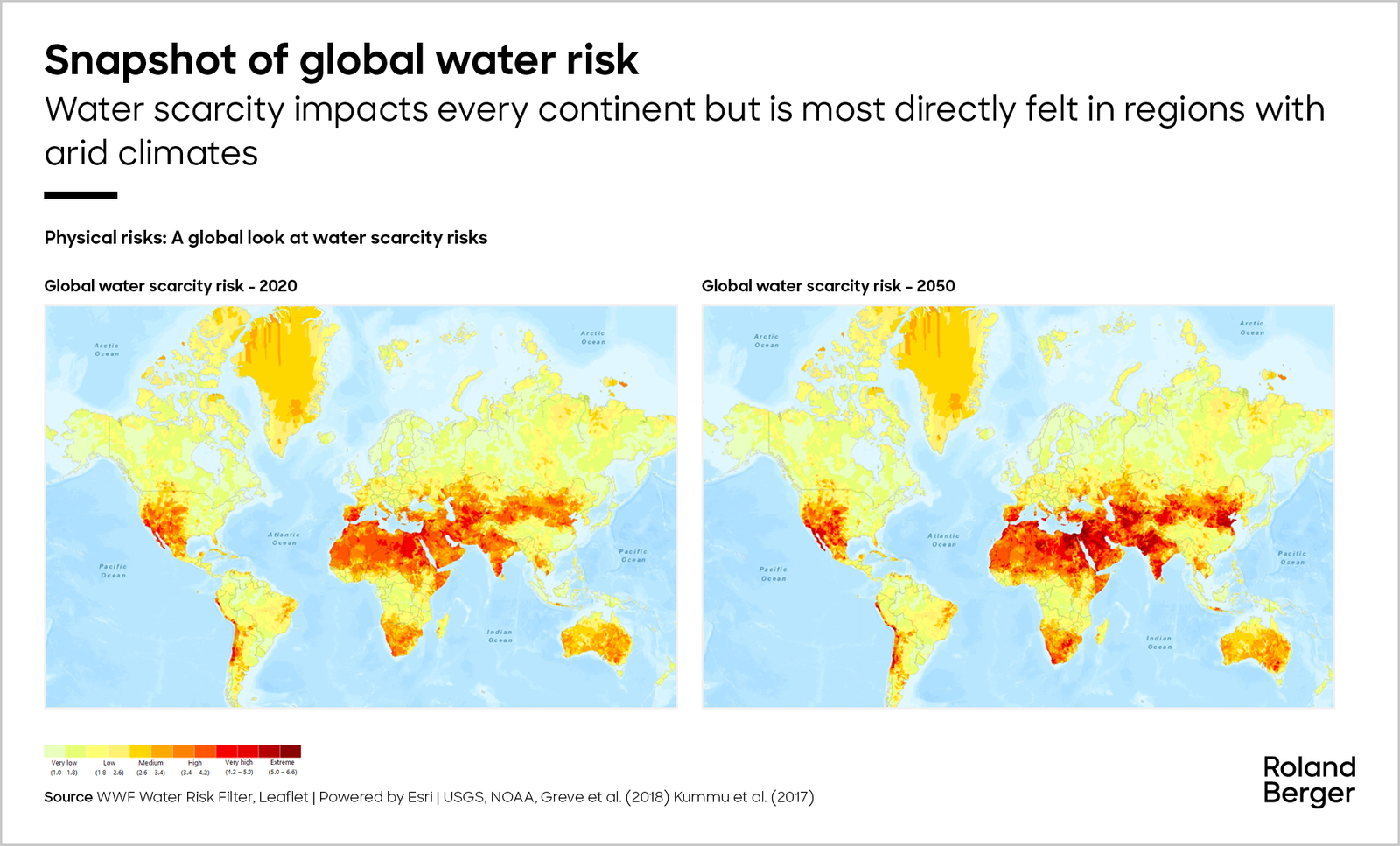
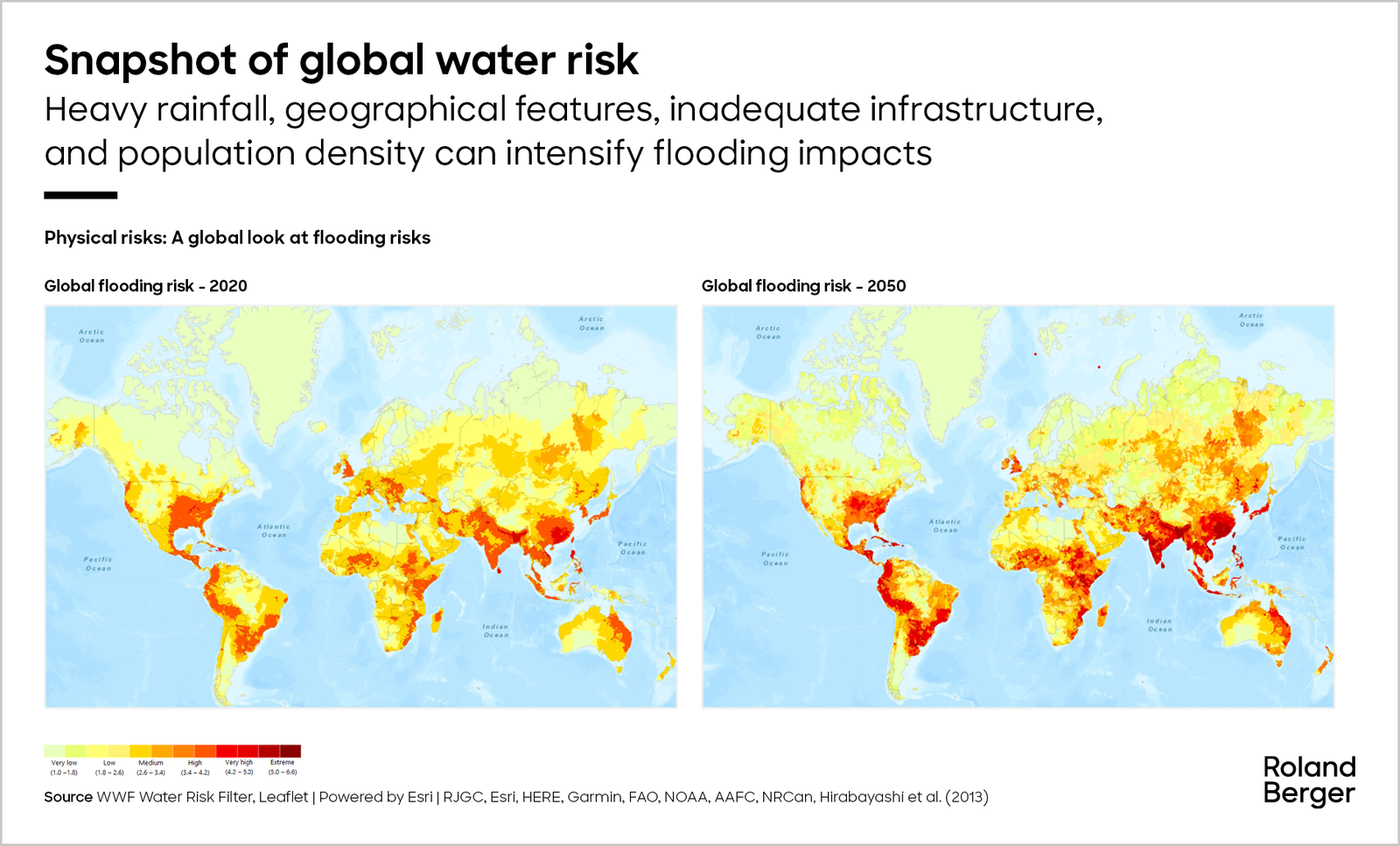
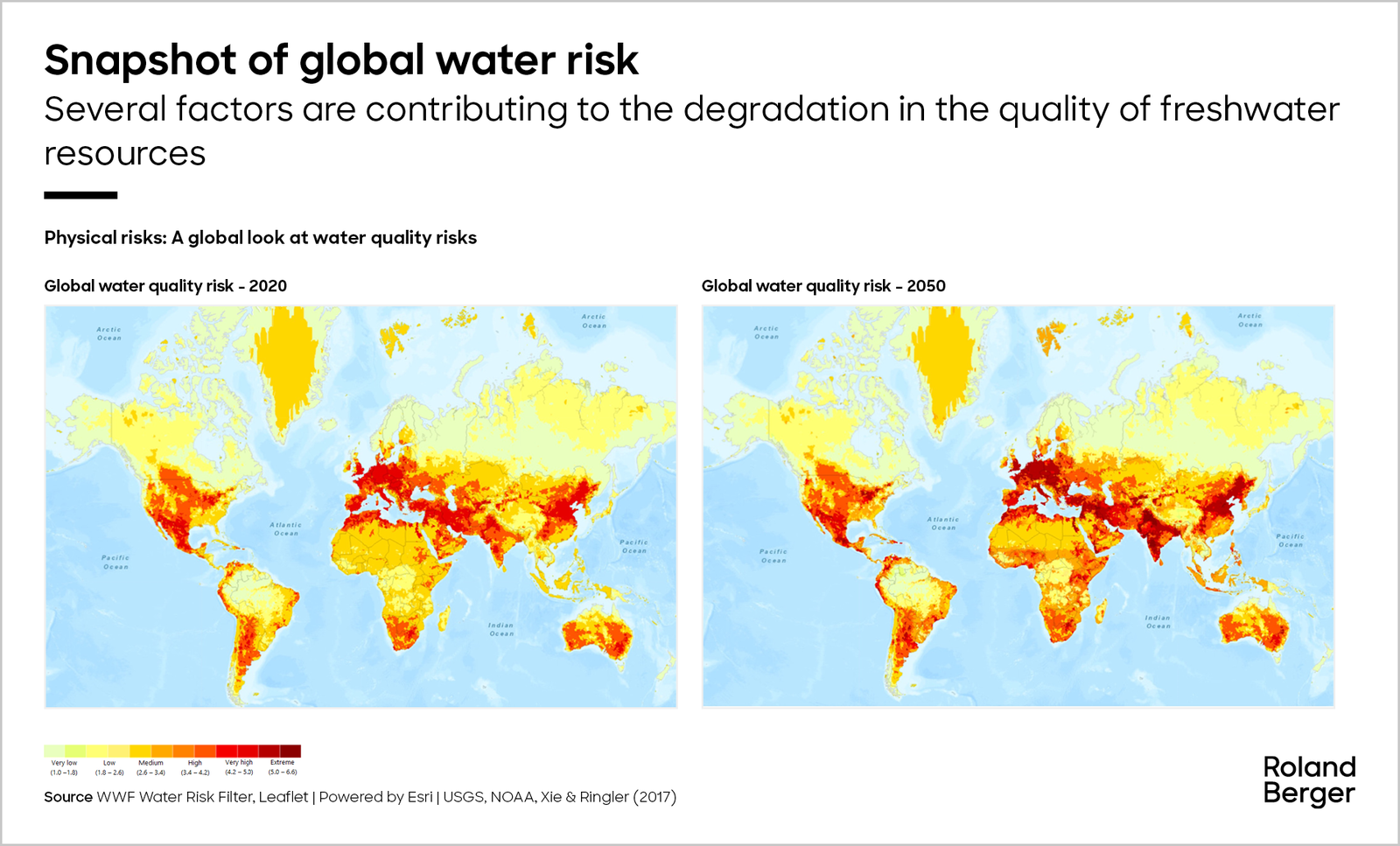
Water risk is a global issue, but it manifests in diverse, hyper-localized ways. While some areas struggle with consistent drought conditions, others face unpredictable flooding risks or water quality concerns. Addressing these risks requires deep analysis that enables leaders to understand water in a local context – down to the site level and incorporating factors impacting the specific water basins on which they rely. The Global Water Risk Snapshot is designed to call broader attention to the increasing threat of water-related risks around the world. Utilizing publicly available data from multiple sources including the WWF Water Risk Filter, World Resources Institute Aqueduct Floods and local assessments, it provides a high-level indication of how water risks impact different parts of the world today – and where they could intensify in the future. While broad, the data can help illustrate where more drastic action may be required to improve water resilience.
Our analysis shows that water risk is set to intensify in water-stressed regions across all major risk categories – physical, regulatory and reputational. Looking broadly at physical risks, arid zones such as the Middle East and North Africa, the Southwest US, and India will experience increased water scarcity. Conversely, flooding will affect regions including the eastern US, China, and South America. Europe faces the most severe water quality problems, with a 93 % decline in freshwater fish populations since 1970.