The first item on a lot of advice lists is to make sure your financial goals align with your stated goals. In August 2019, for example, the Business Roundtable, a group of nearly 200 CEOs of US corporations, agreed the purpose of the corporation included delivering value to customers, investing in employees, dealing fairly and ethically with suppliers and supporting their communities. Generating long-term value for shareholders was the fifth and last item on the list.
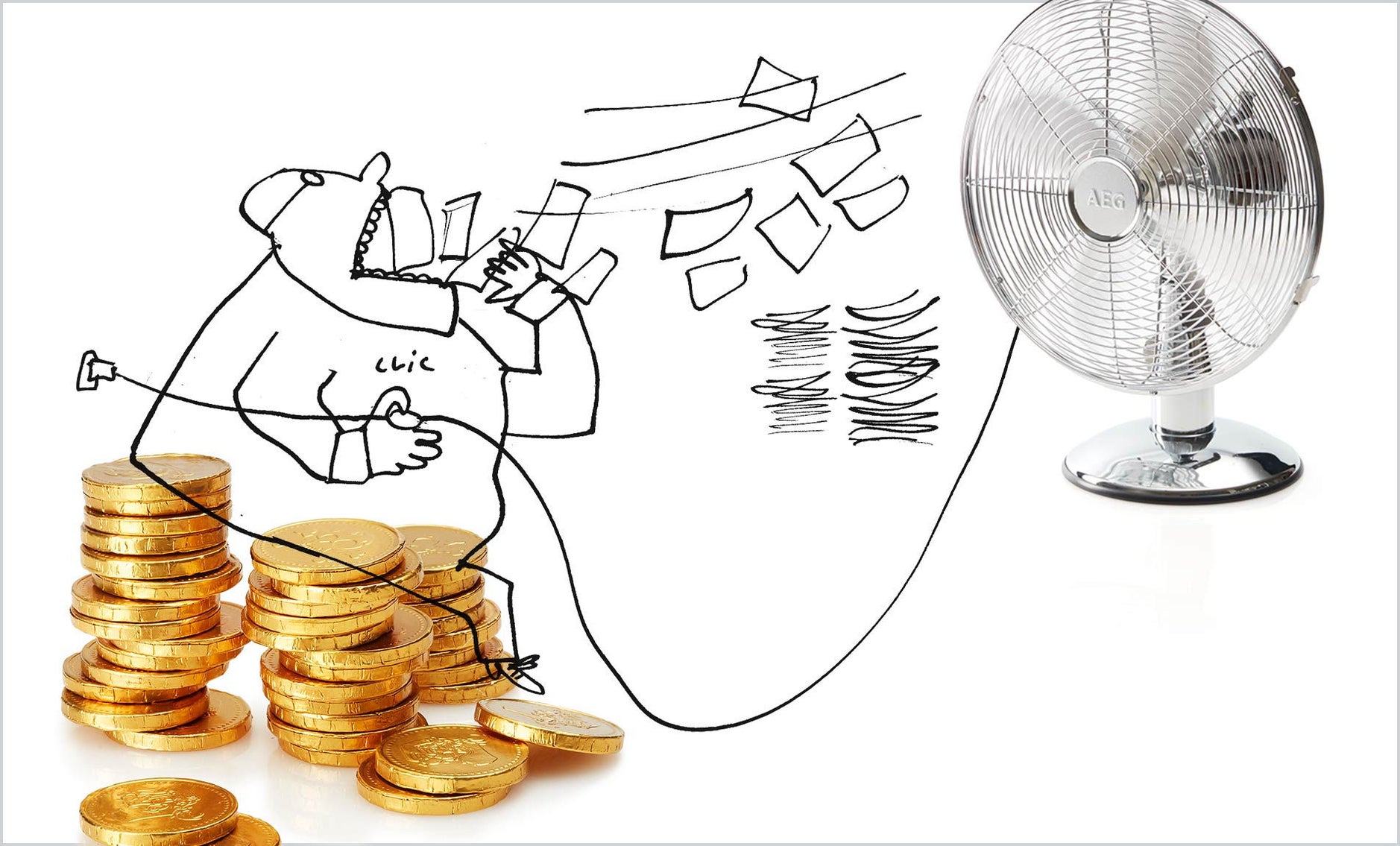
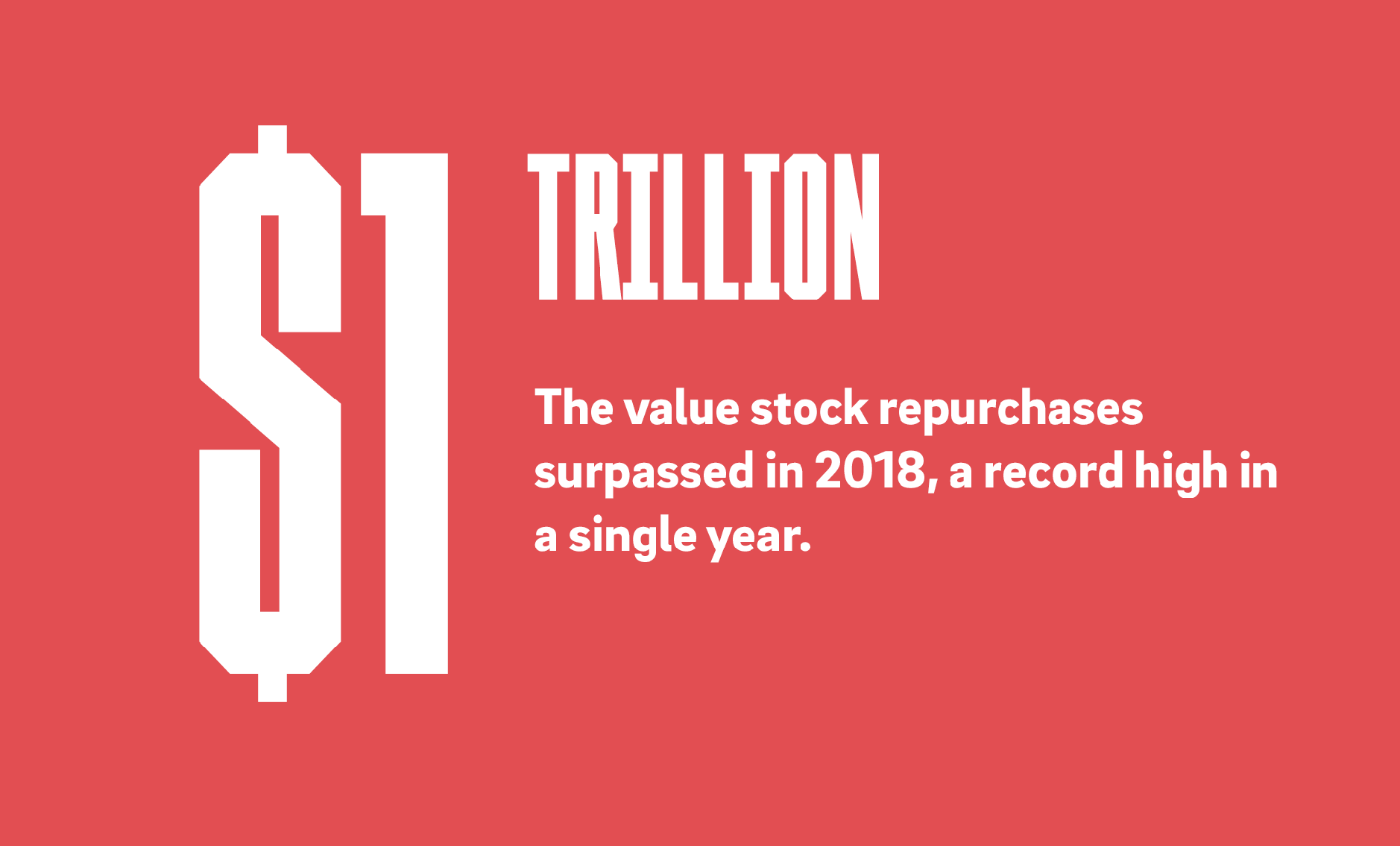
Although big business may have emotionally left the maximization of shareholder value era, structurally, Milton Friedman's free-market capitalism is alive and well: Many CEOs still receive a lot of their compensation in stock, giving them an added incentive to try to keep their share price high, and they have a handy fan that helps to keep it aloft – the stock repurchase. It's been 10 years since Jack Welch, former CEO of GE, told a shocked Financial Times reporter that maximizing shareholder value was "the dumbest idea in the world," but share buybacks are now more popular as ever, with a total value that topped $1 trillion in 2018.
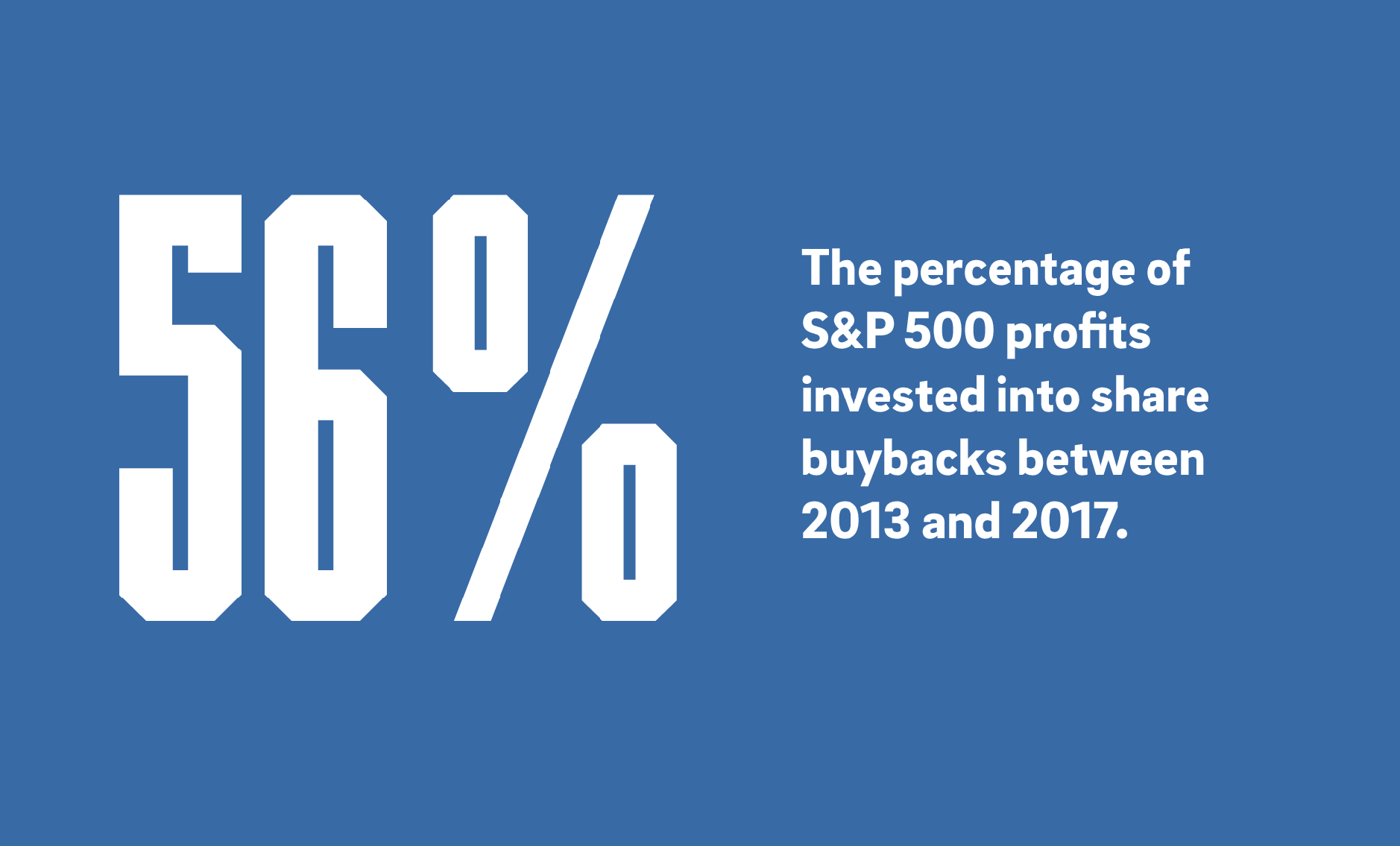
Before the 1982 decision by the Securities and Exchange Commission to liberalize rules about share buybacks, companies invested a lot of their income in innovation and enhancing the skills of their employees. That changed dramatically in the three decades that followed: Between 2013 and 2017 alone, S&P 500 firms invested $2.6 trillion – 56% of their profits – in share buybacks, according to a presentation by William Lazonick, a professor of economics at the University of Massachusetts Lowell. Buybacks might be seen as a victimless shift of cash from one pocket to another, but Lazonick has long argued that buyback programs enrich executives at the expense of their companies, sucking resources away from research and Development and employee training.
McGrath agrees: "The irony is that the very policies that are supposed to be helpful to shareholders actually have the effect of harming the long-term performance of businesses whose leadership essentially uses the capabilities built up over years to make themselves unbelievably rich, among other things. Many companies today are very much out of balance between running today's business and investing for the future – the latest poster child would be GE, which issued massive buybacks during [Jeffrey] Immelt's era but didn't lean into renewable energy investments at the level they could have. But you could see the same story at many other firms – Kraft Heinz and Sears, for instance," she adds. Meanwhile William Fischer, a professor of innovation management at IMD in Lausanne, says that buybacks are always a sign of managers with insufficient imagination. "I think they're probably caught between some big changes that are difficult to understand...and shareholders who are pushing for quick returns," he says.