The added value of the BIH to its members is indeed a mix of this "glocal" vision. Håvard Bell is the CEO of Catenda, a Norwegian firm that builds software that plans and manages construction projects (so-called building information modeling, or BIM). With users in 70 countries, their programs are deployed on more than 3,000 projects – including the ongoing renovation of FC Barcelona's 99,354-seat Camp Nou stadium. "It's the complexity of the project that drew us, it's fun to resolve these challenges," Bell says of the experience. In addition to FC Barcelona's wider business contacts, and the chance to continually tweak their product, partnership with BIH offers prestige and practical benefits like office access in New York or Hong Kong for meeting clients, he says.
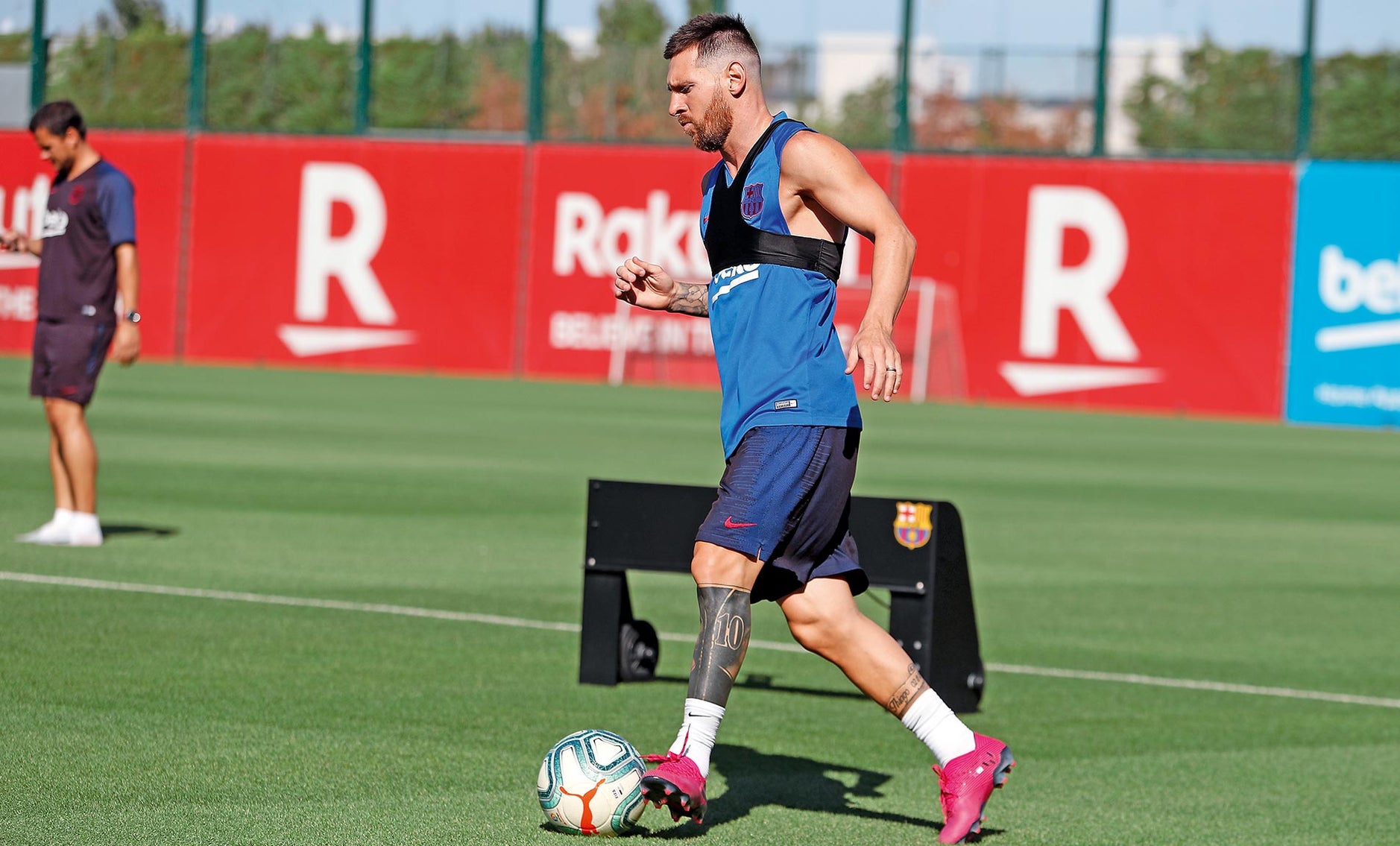
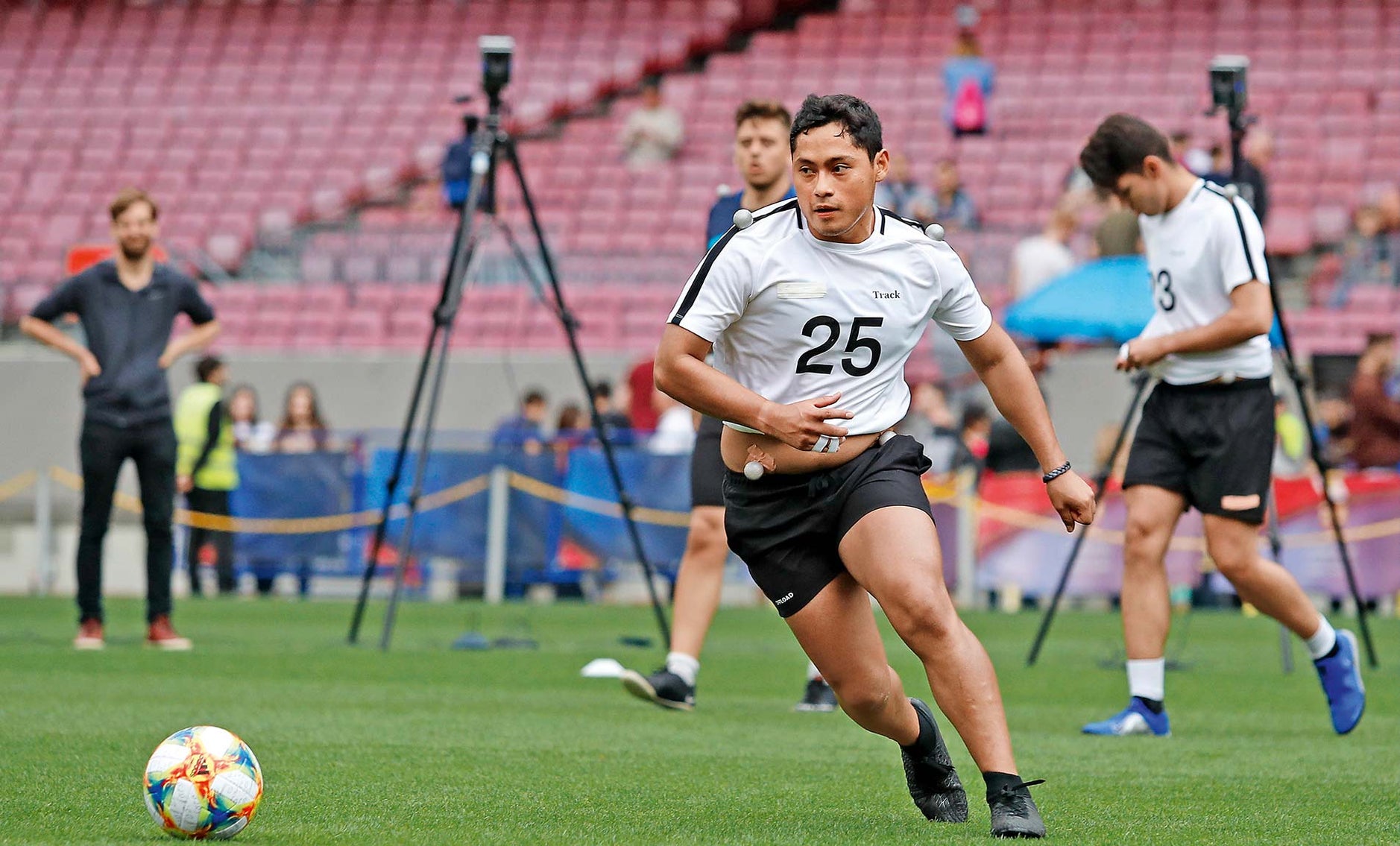
Closer to home, RealTrack Systems, based in Almería, Spain, makes the Wimu Pro – a wearable tracking device that collects more than 250 data points across categories like exercise duration, distance, acceleration and heart rate. Trainers gain a detailed picture of player fitness to customize workout regimens and boost match performance. "They had a project that is working, they showed it to us, we liked it and started testing," Plana says. Like Catenda, RealTrack CEO Isabel Perez says her company uses FC Barcelona to push innovation on its own product, noting a "continuous upgrade of the system to meet their incoming needs." The BIH partnership helped bring new customers, she adds. In early October 2019, Cirque du Soleil debuted a new show called Messi10 and Wimu tracking devices were a key part of the development process. Realtrack also partners with Madrid's GSIC.
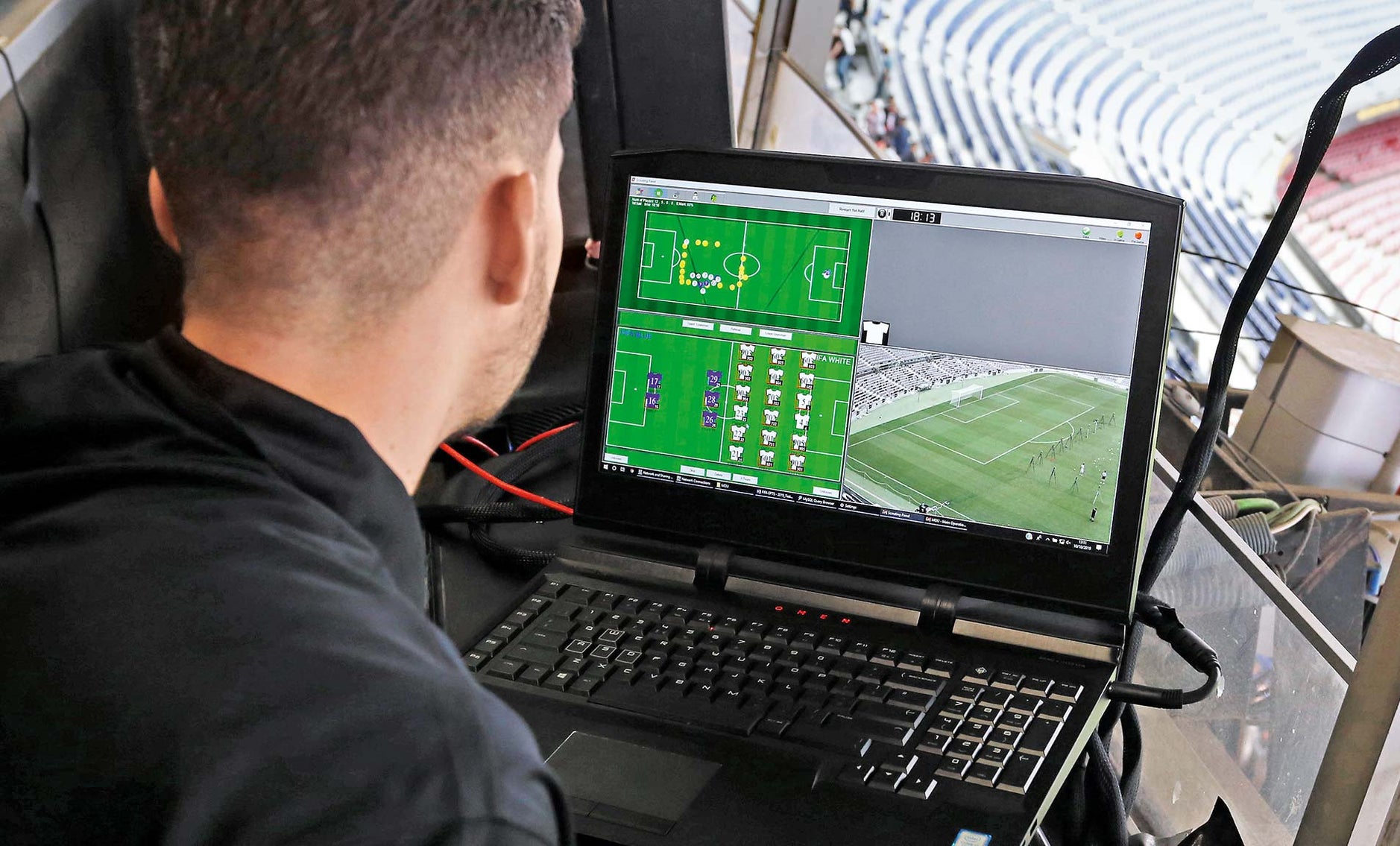
With just 15 people on staff, the two-year-old BIH can resemble an early-stage startup itself. Plana says they are looking to forge new partnerships with venture capital firms, and future projects include a focus on AI. One looks to harness FC Barcelona's already hefty collection of player-tracking data and cross-reference it with past injuries in hopes of forecasting injuries before they happen. A separate AI project looks to convert tactical expertise from coaches into algorithms that recognize those tactics on video, potentially saving analysts dozens of hours. Neither of those projects are likely to help the football club win a match this week, but both could point the way toward changes in the decade ahead. As Plana puts it: "I don't think there is a limit: We need to be adjusting to innovation and technology all the time."