Even the best football clubs can struggle in balancing uncertainty with a long-term vision, but other businesses have plenty to learn from their losses and wins – from quick reaction times to building the right team, the key to success is in setting up your next goal, all while keeping on scoring today.
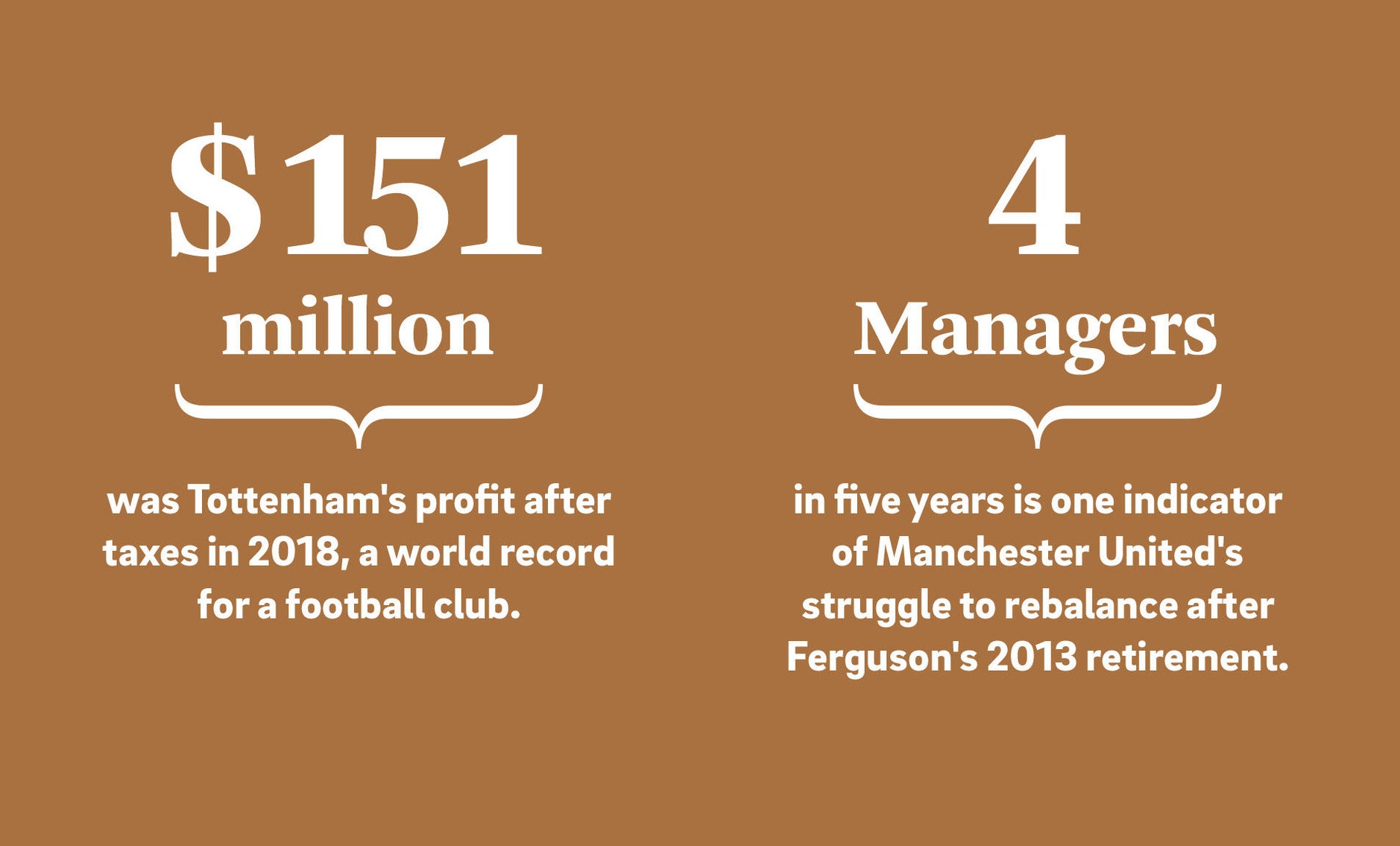
When José Mourinho was sacked in December 2018, Manchester United's criticism of the formerly lauded Portuguese manager was damning. Despite winning two trophies in his first season, the club said he had failed to improve results after spending nearly $525 million on players and had ignored the club's philosophy of playing attacking football while developing young players. The club, built on solid foundations after Sir Alex Ferguson's 26 years in charge, was left looking for a fourth manager in five years since he retired in 2013. How could one of the richest football clubs in the world get it so wrong? The answer underlines how football clubs often struggle with the balance of short-term results and long-term vision – perhaps understandable when fans are demanding instant success and the financial rewards have never been greater. As Football Association Technical Director Les Reed says: "In football you report to your stakeholders every week when 30,000 fans come to judge you."