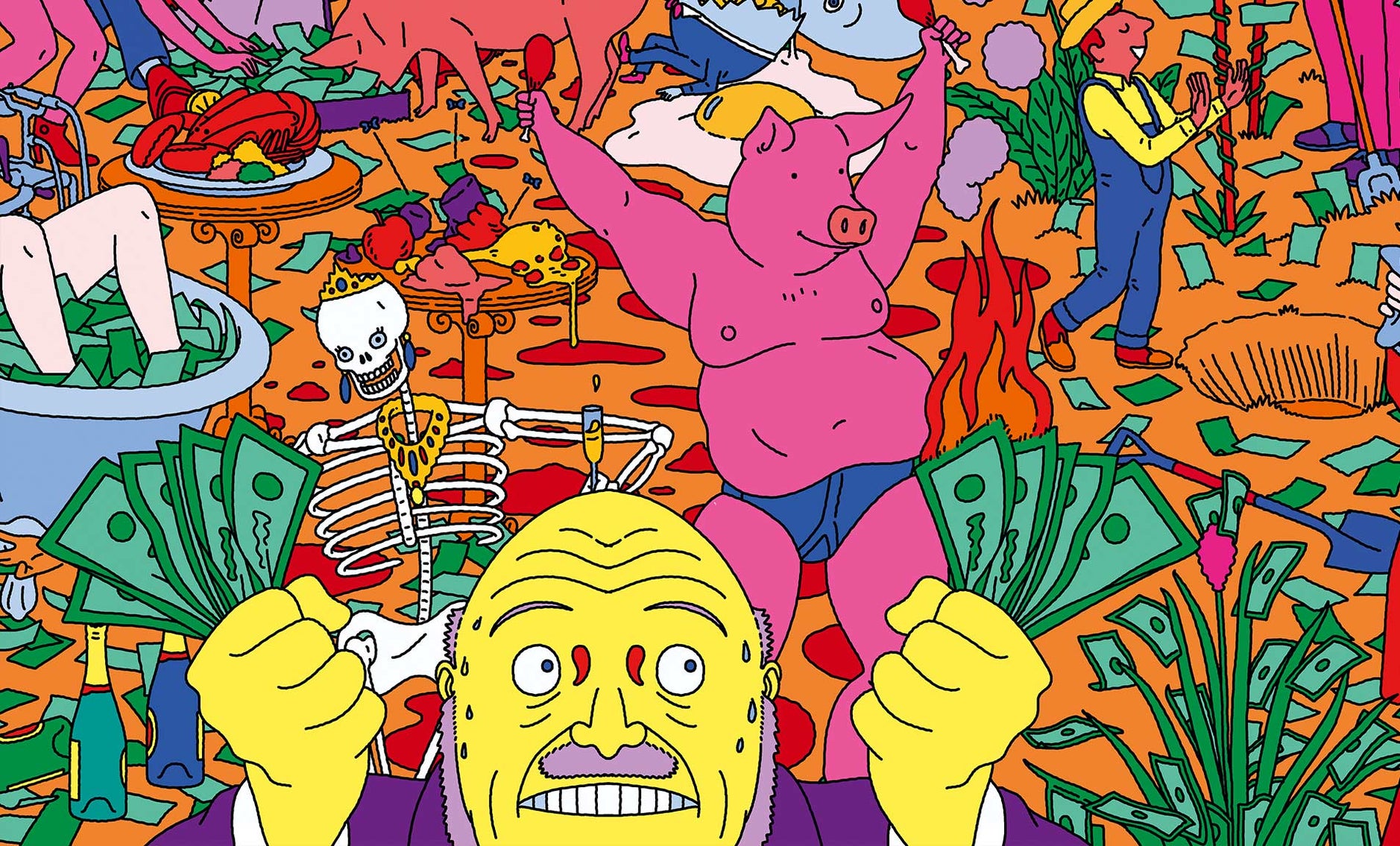
But is there enough evidence that short-termism truncates economies and robs enterprises of their potential? Two things need to be proven: that investors prefer quick wins over sustained growth and that this acts as a brake on investment. The evidence is inconclusive. In a paper for Harvard Business Review entitled "Investor Short-Termism: Really A Shackle?", professors Rebecca Henderson and Clayton Rose concluded: "The presence of most types of institutional investors among a company’s shareholders appears to have encouraged a long-term perspective, rather than retarded it, and has sometimes provided managements with 'air-cover' to stay the longer-term course during difficult periods." Then there is a study by a group of US-based economists linked to the Federal Reserve, which found that listed companies invested nearly 50% more in research and development than private ones, according to their corporate tax receipts. It also found that companies upped their R&D game post-listing. On average, the ratio of their R&D spend compared with physical assets increased more than a third. So, given this, why is there such a strong association between quarterly reporting and short-termism? For one thing, the US study is quantitative, not qualitative, meaning it doesn't shed light on what companies are spending on. Plus, it doesn't account for non-R&D short-term plays that could hurt company fortunes, such as ill-thought-out acquisitions and environmental damage.
Another reason, according to Useem, is that big institutional investors including BlackRock, Fidelity and Vanguard have publicly backed the campaign against short-termism. At the end of 2018, BlackRock CEO Larry Fink wrote a letter to CEOs containing the line: "Commitment to a long-term approach is more important than ever – the global landscape is increasingly fragile and, as a result, susceptible to short-term behavior by corporations and governments alike." But the pressure for results remains, whether it's perceived or real, and it is responsible for corporate collapses from Enron to Lehman.
How then, can companies resist the pressures and aim for sustainable growth? John Stapleton believes there is no need for radical, structural change, but that with clear communication CEOs can shift investors to their vision. If you state your intentions and illustrate the benefits, regularly feeding back to investors to explain your actions, then bosses will discover most investors have patience. "A CEO who exhibits the courage of their convictions, who makes promises to shareholders which are kept, will get a warm reception the next time they make a statement. There will be greater belief in the business."