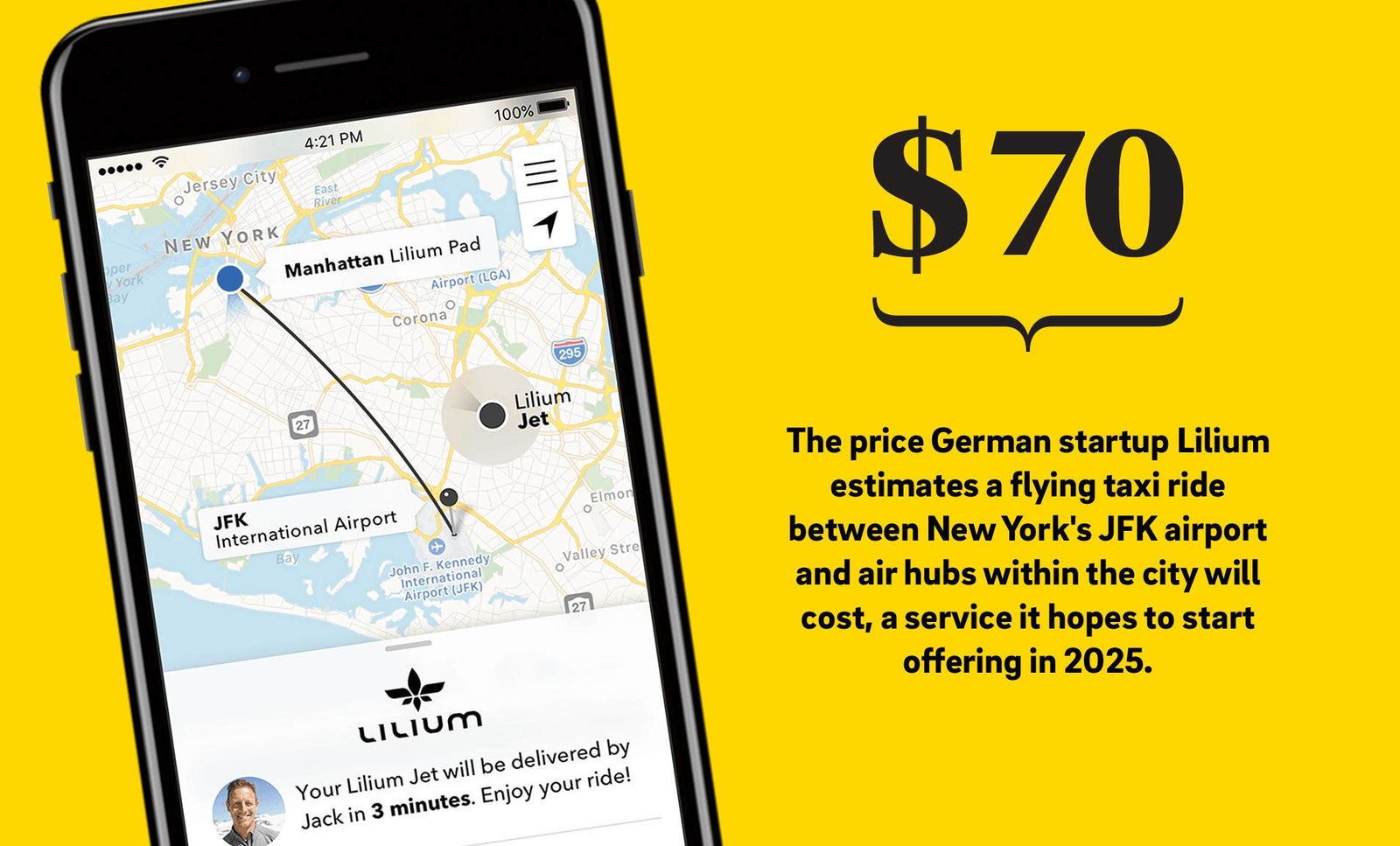
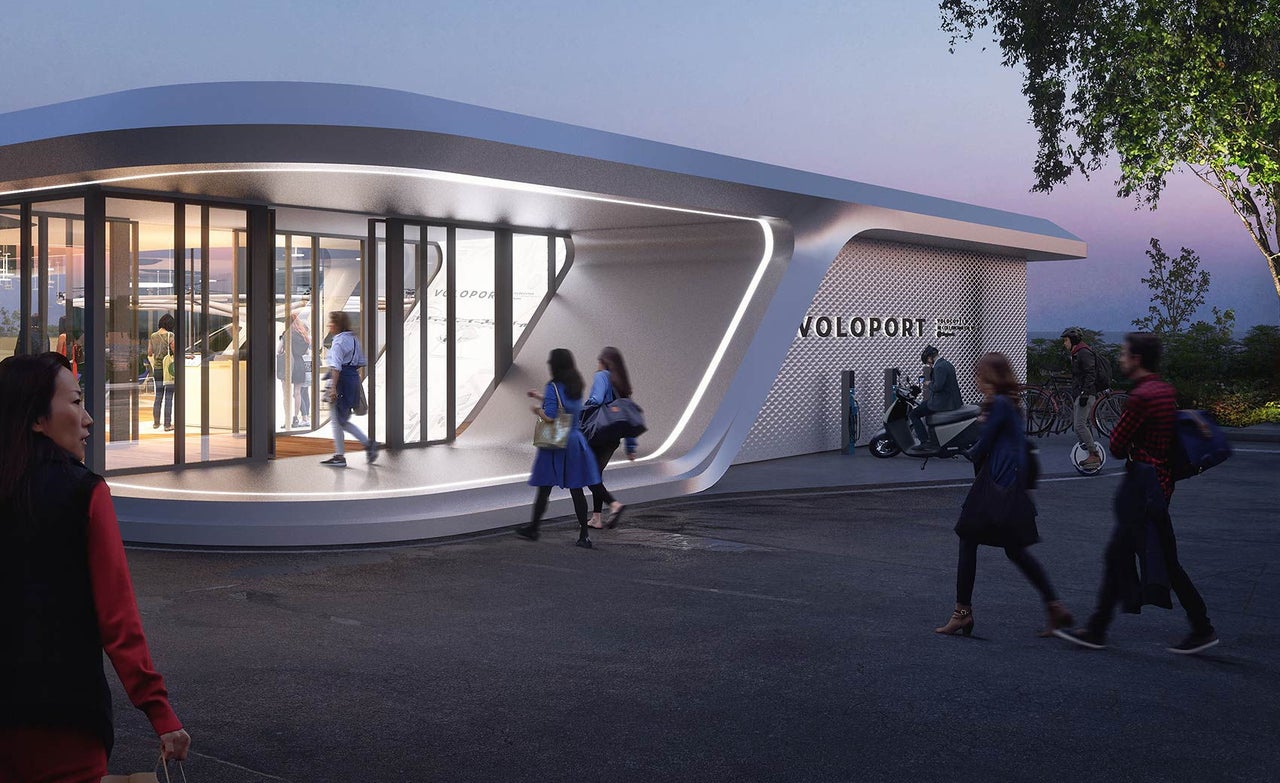
From startups to aerospace giants, a growing number of companies are working on technology that could change your perspective on urban mobility. What will it take to make short-distance air travel just another normal part of city living?
We've probably all done it. The streets are gridlocked, the cars ahead inching their way forward, if they move at all. You gaze out of the window, look upward and imagine yourself soaring over the congested streets below, arriving unstressed at your destination in a matter of minutes. Then a horn blares and reality punches you in the face. Sadly, science fiction won't save you from your traffic jam. Flying taxis don't exist.
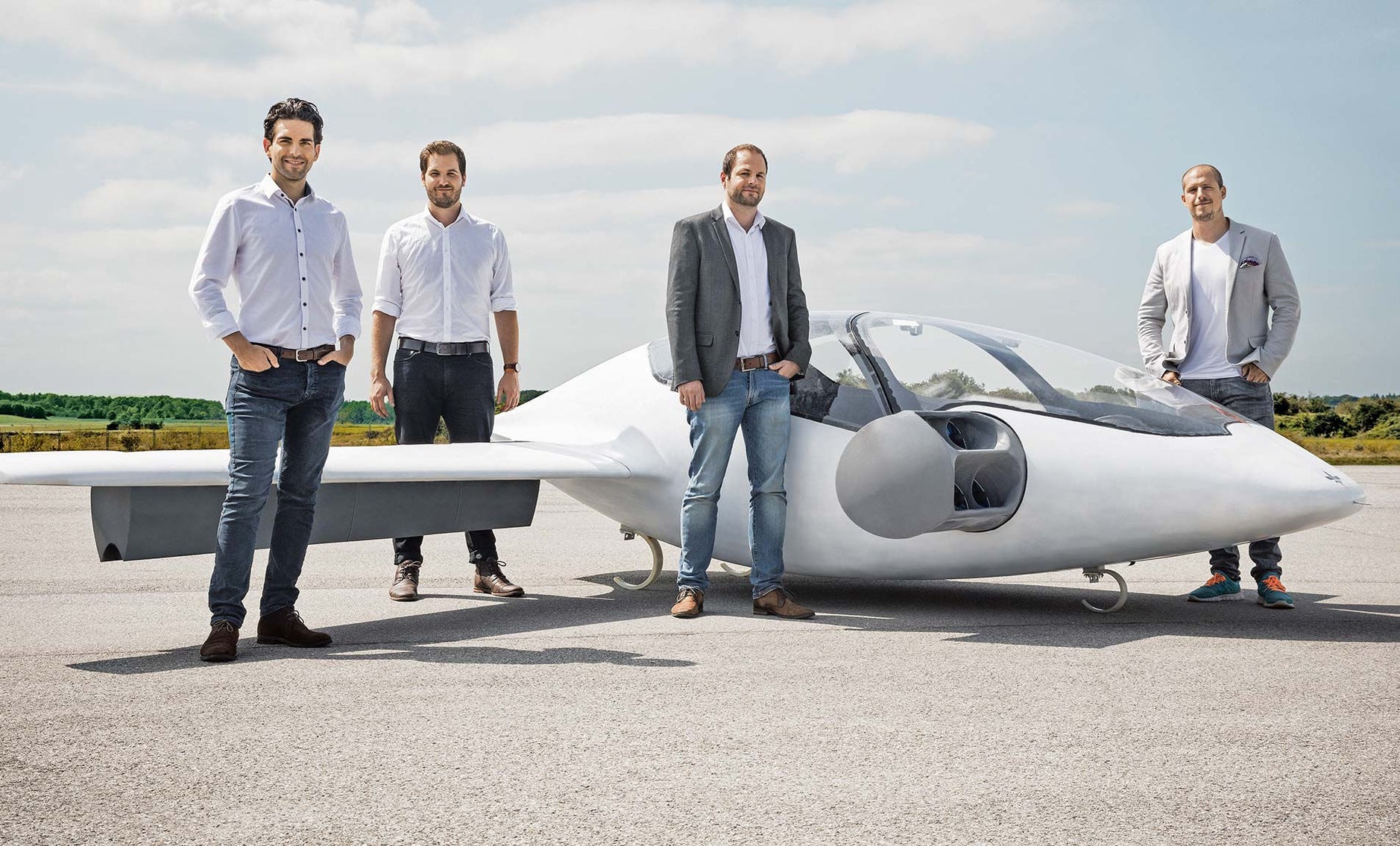
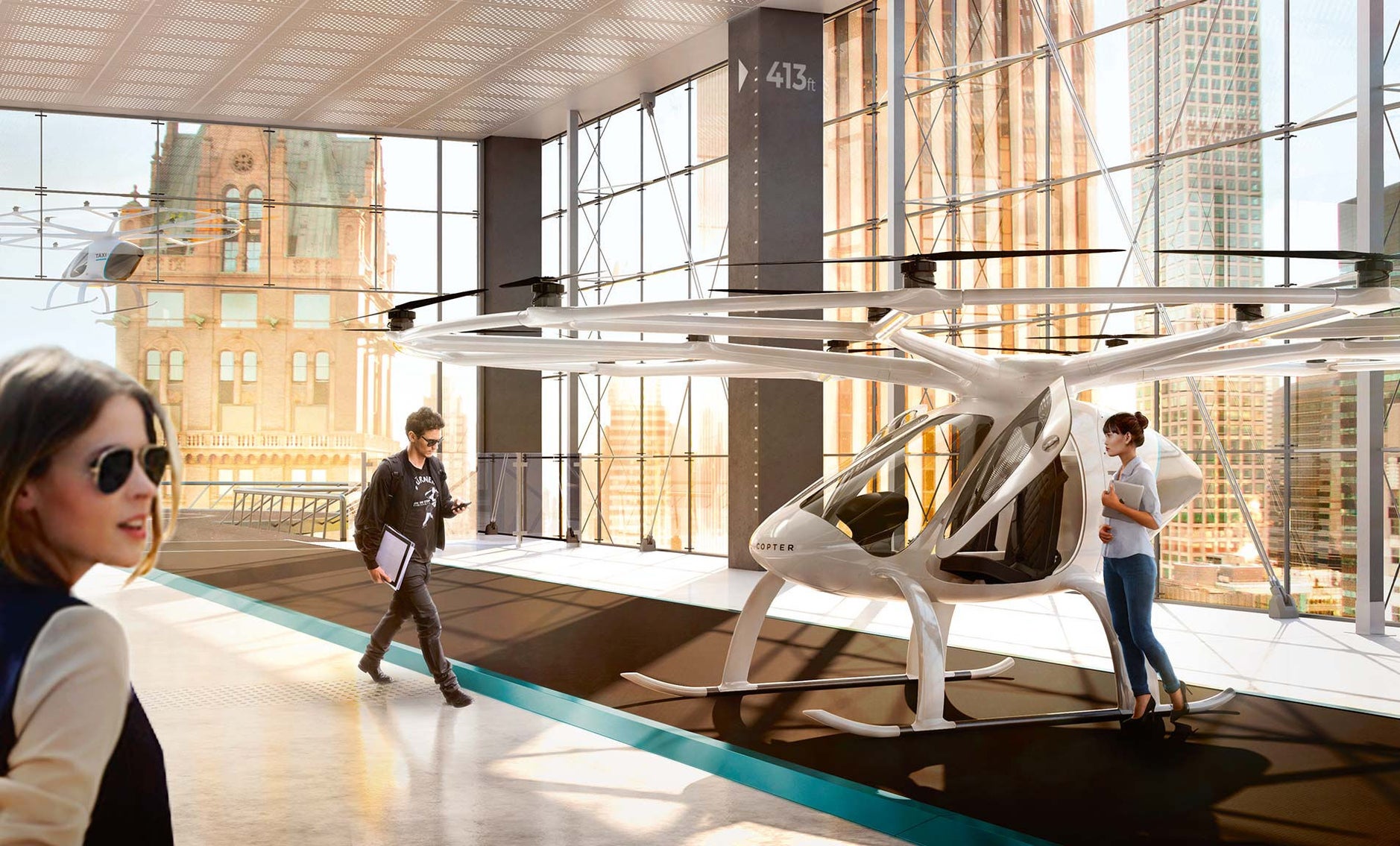
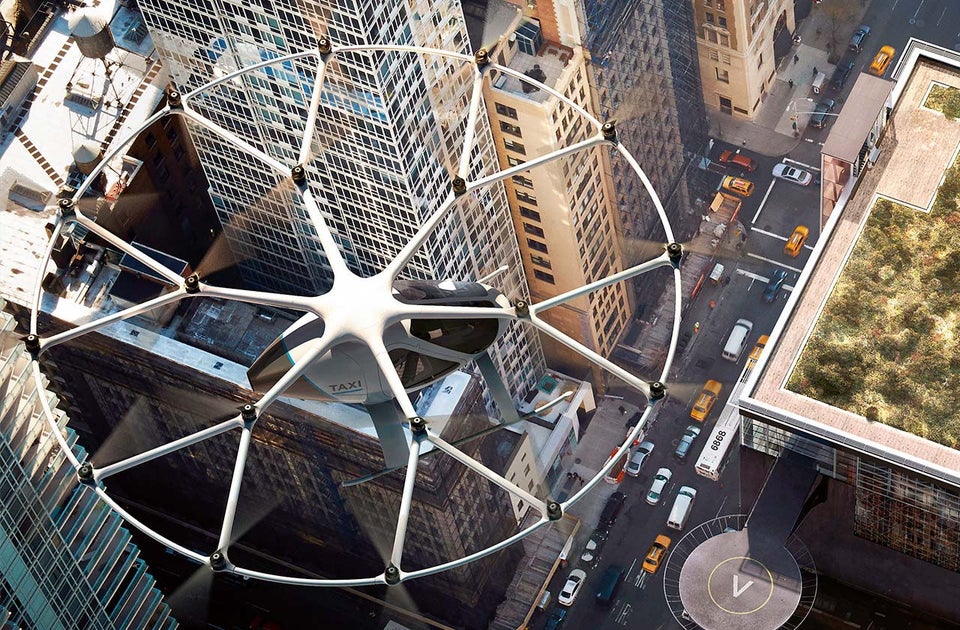
But that might soon change. Around the world, companies from aerospace giants such as Boeing and Airbus to well-funded startups are working on the technology needed to create a new form of mobility. "It almost feels like the project Apollo of our generation," says Brian German, aerospace professor at the Georgia Institute of Technology. Test flights for prototypes are already underway and the dream of flying taxis is expected to become a reality within a decade. Fleets of electric-powered aerial vehicles will carry people and goods through and between cities in minutes rather than hours. Need to send a package? Hail a drone . In a hurry to get home? The next air taxi leaves shortly. "In particular, smaller drones could have a transformative impact on how future populations live, do business and interact," says Carlo Ratti, architect, engineer and director of the MIT Senseable City Lab. "They transcend geographical barriers without the need for large-scale physical infrastructure."