
As superspeed vacuum trains race ever closer to becoming a reality, Hyperloop Transportation Technology's Bibop Gresta speaks to Think:Act about something that could prove just as revolutionary: the crowdsourcing model that's driving his company's innovations.
Bibop Gresta, chairman of Hyperloop Transportation Technologies (HTT), has an industrial revolution in his sights. He wants to develop a new system of transportation that will boast speeds that haven't been seen since the days of the Concorde. Gresta, who co-founded HTT in 2013 alongside CEO Dirk Ahlborn, believes they have hit upon a new company format. It is capable of responding instantly to emerging problems – or in HTT's case, what might be better described as a global opportunity – securing both the resources and the expertise in partnership with a range of stakeholders and collaborating to meet even far-fetched objectives.
Gresta sees a time in the future when the traditional system of hiring, firing and nine-to-five will be something we see as anachronistic. Instead, he says, people will lend their time and brainpower to projects that trigger their passions. They won't be employees; they will be more like partners. When HTT proves its technology – full-scale passenger pods fired through sealed tubes over vast distances at the speed of sound – it will license its intellectual property to other organizations and won't construct the commercial transport networks itself. He wants other companies to borrow from HTT's structure and methodologies, either wholly or in part, to build on and improve. This, from a seasoned entrepreneur who before the hyperloop had been involved in dozens of businesses in the traditional format, from startups to listed multinationals.
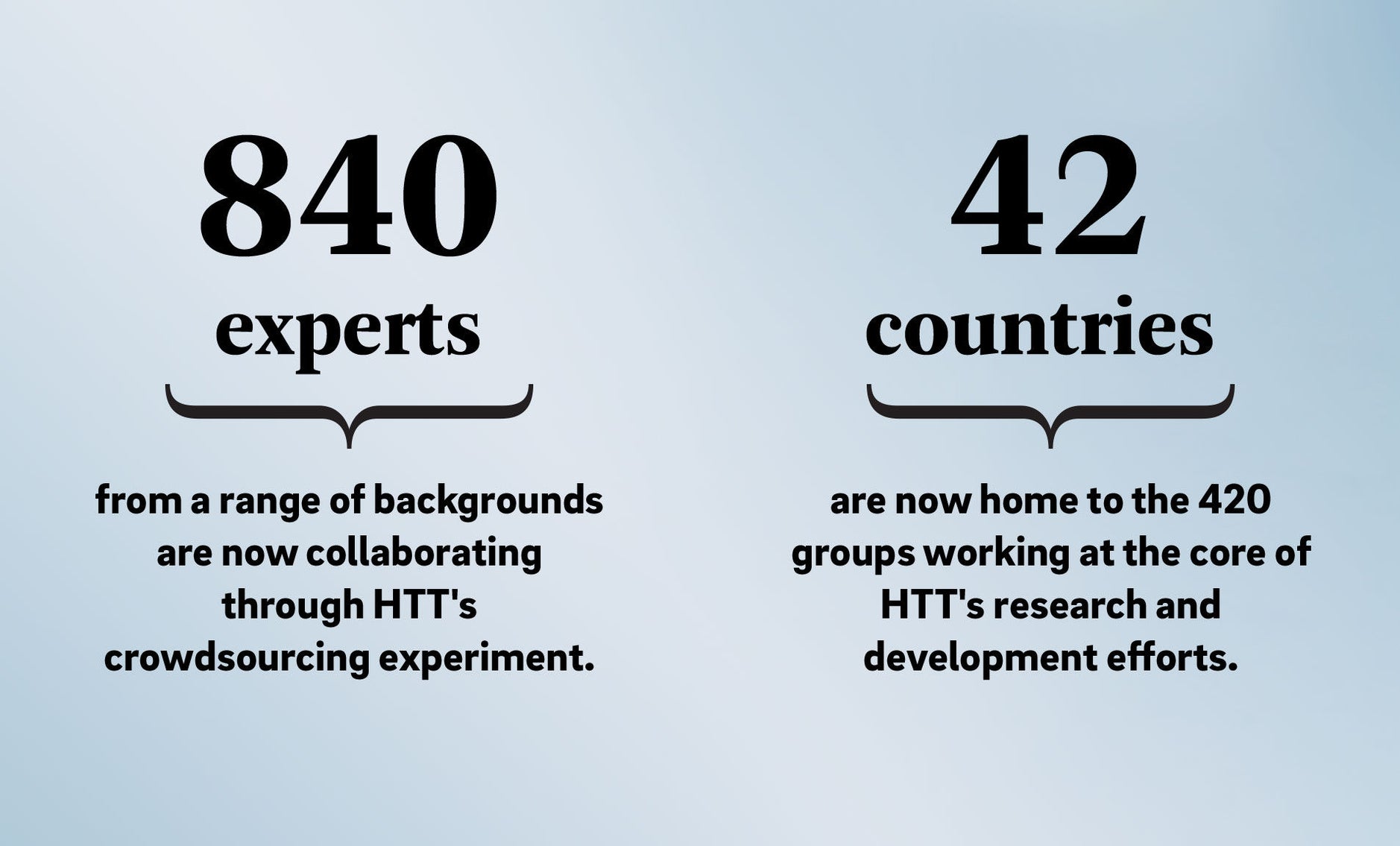
In this interview, Gresta describes his journey from skeptic to evangelist on more than one front. While HTT is not the only company racing to sign up governments and private sector partners to back the hyperloop, it's the only one crowdsourcing its expertise and relying on sophisticated project management and communications platforms to combine the efforts of more than 800 disparate stakeholders. This is the story of a business succeeding, even when 50% of the founders initially thought it couldn’t be done.