An avid outdoorsman, Illy could not only see changes in the Alps outside Trieste, where his company is headquartered, but also in the Adriatic Sea off the north-eastern port city. Many animals that used to live only further north or further south – chamois, bears, different species of snakes, giant wasps from Africa – were turning up in the forest. "Crazy, crazy stuff," Illy says. In the sea too, the ecosystem was changing, he says – there is much more algae these days and people are seeing tuna, sharks and whales – sea life that never used to be found there. "There is a significant change – on one side, the tropification of our climate, on the other side, animals from the north coming south."
Back to the laboratory
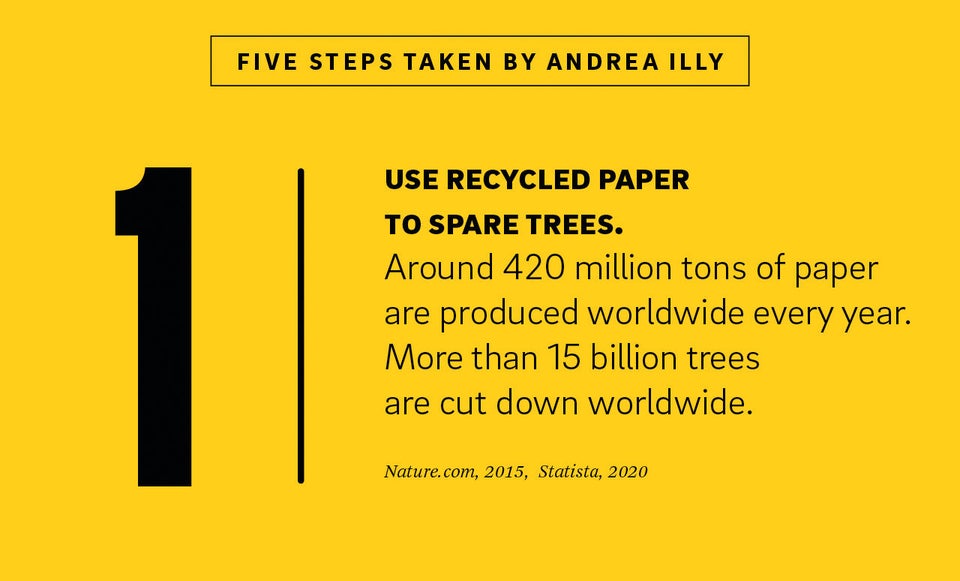
Of course, Illy isn't alone in his concern. Many people these days are concerned about the impact of man-made greenhouse gases on global weather patterns. But being a scientist by training – he earned a degree in chemistry from the University of Trieste – Illy approached the need to reduce his $580 million company's contribution to global warming less as a vague, overwhelming political challenge than as a concrete, technical problem. Although some of the steps that needed to be taken were obvious, such as only using recycled paper, others required much more thought – so much more he took a 2,000-hour sabbatical to try to work out a technical solution. "Because we transform and trade in agricultural products, and two-thirds of our carbon emissions are in agriculture, it's very much an agronomical issue to be solved," he explains.