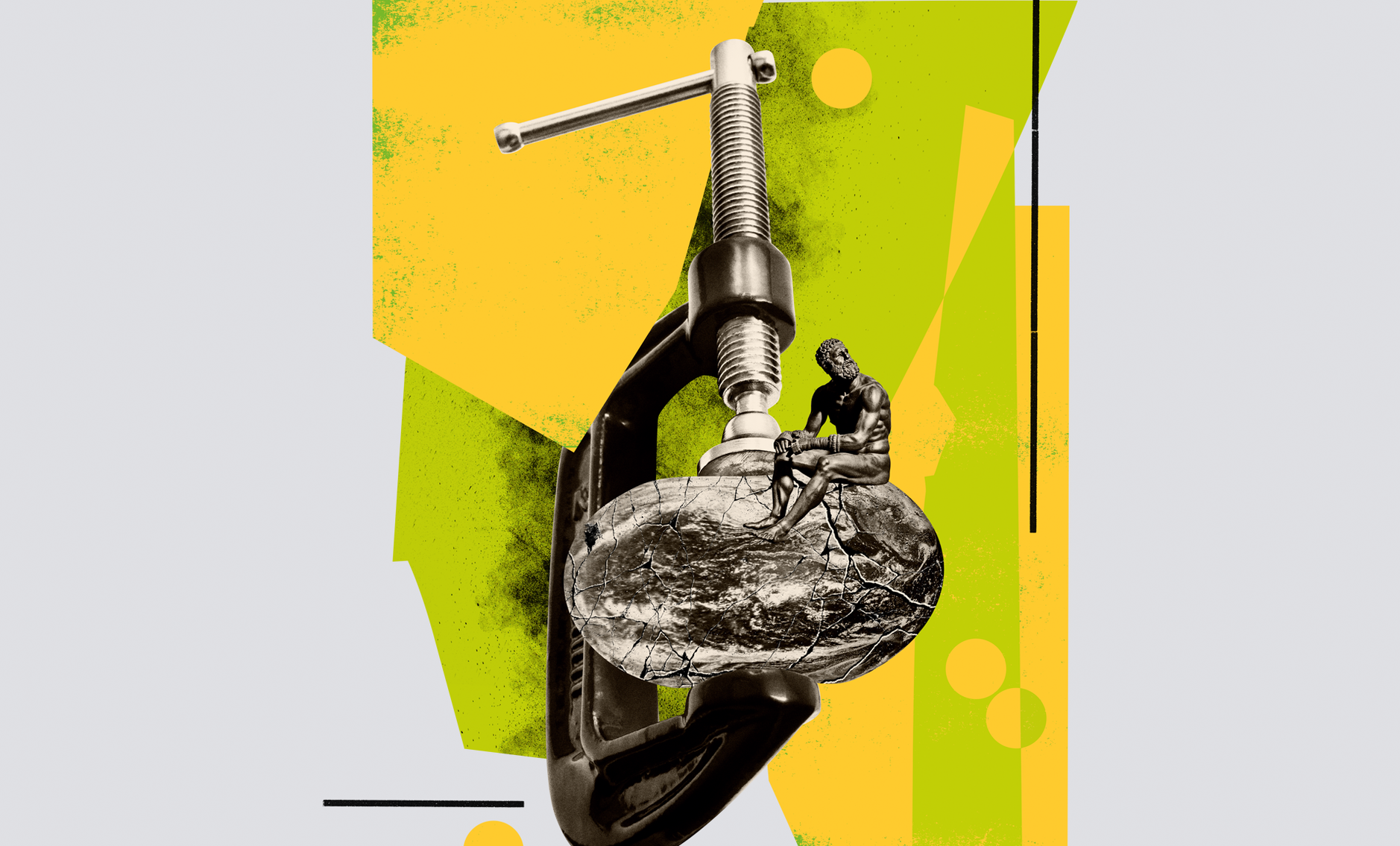
For significant periods of 2020, the coronavirus pandemic all but shut down major cogs in the world economy. Greenhouse gas (GHG) emissions for the year were expected to be approximately 8% lower than 2019 – the largest drop ever recorded. Yet to keep global temperature increases below 1.5°C – the point at which climate change could go from destructive to catastrophic – the UN says we'll need to hit this sort of reduction every year from now until 2030. It's a sobering thought. This could be a watershed year for global sustainability.
The climate emergency bears some resemblance to the coronavirus emergency: Both involve market failures, international cooperation, complex science and system resilience. Yet even though Covid-19 has much of the business world's immediate attention, the virus should not distract from more serious long-term issues. In early 2020, the World Economic Forum's Global Risk Report identified a number of threats to global prosperity over the next decade. The top five were environmental. Awareness has never been higher. Neither has the pressure on companies from governments, customers, investors and employees. It may trigger fears around competitiveness and profit margins, but operating sustainably is fast becoming sensible business. "When a company does it well, sustainability can drive operational efficiency, innovation, resilience, engagement and brand loyalty," says Tensie Whelan, director of NYU Stern School of Business's Center for Sustainable Business.