A scalable decision factory
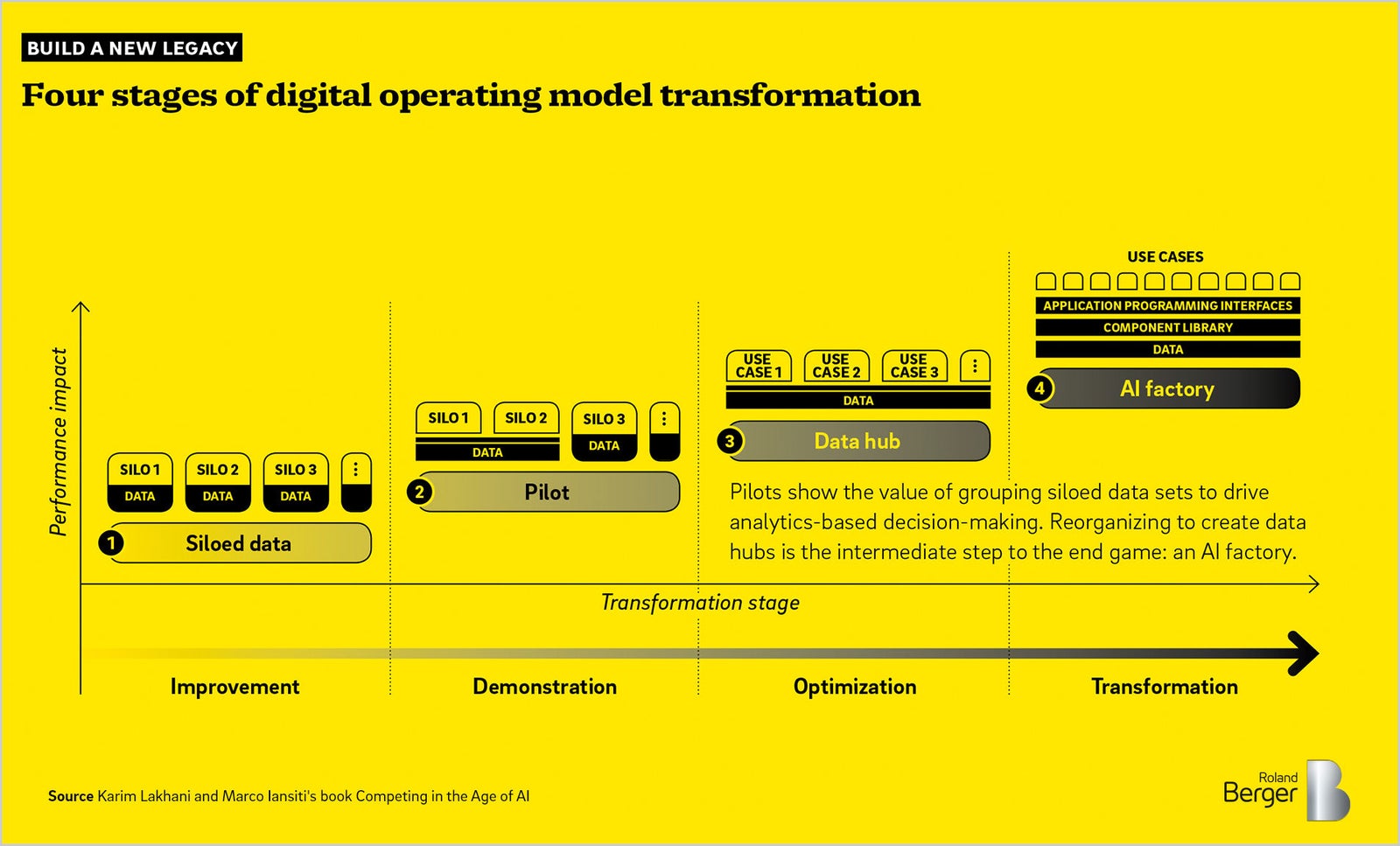
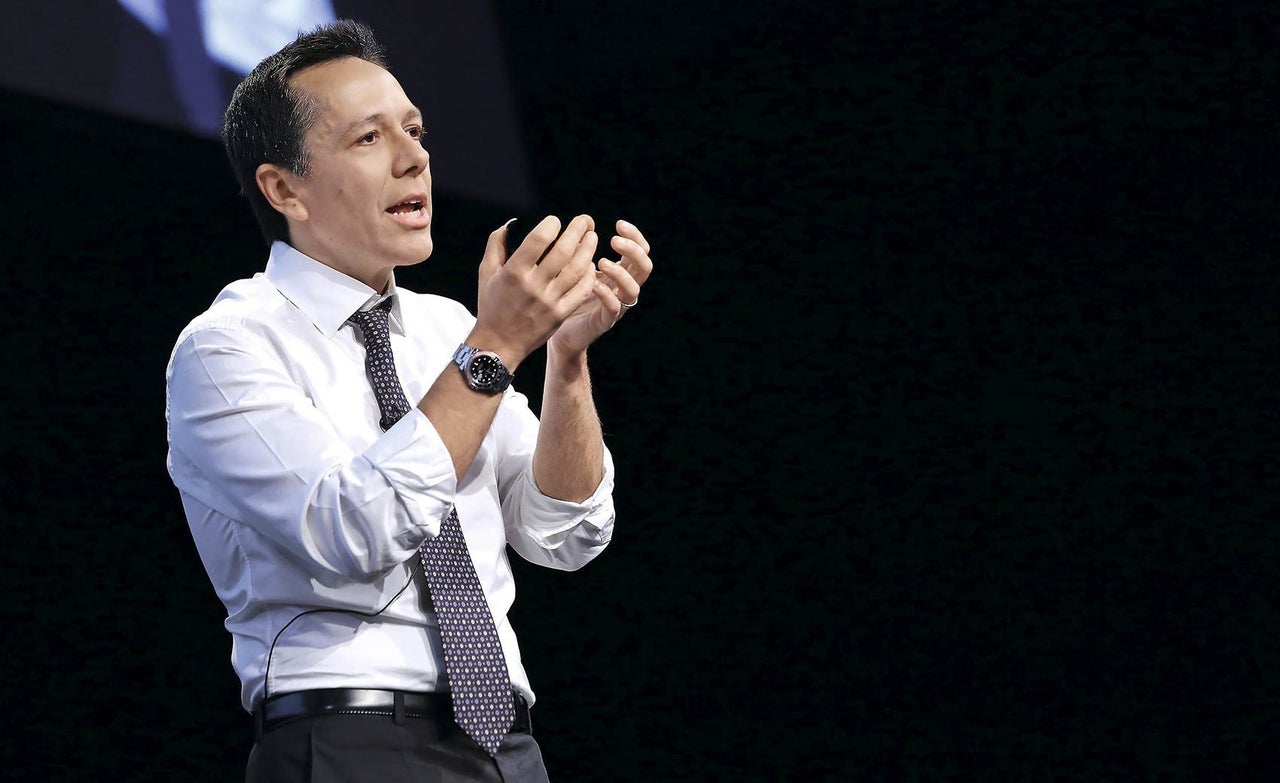
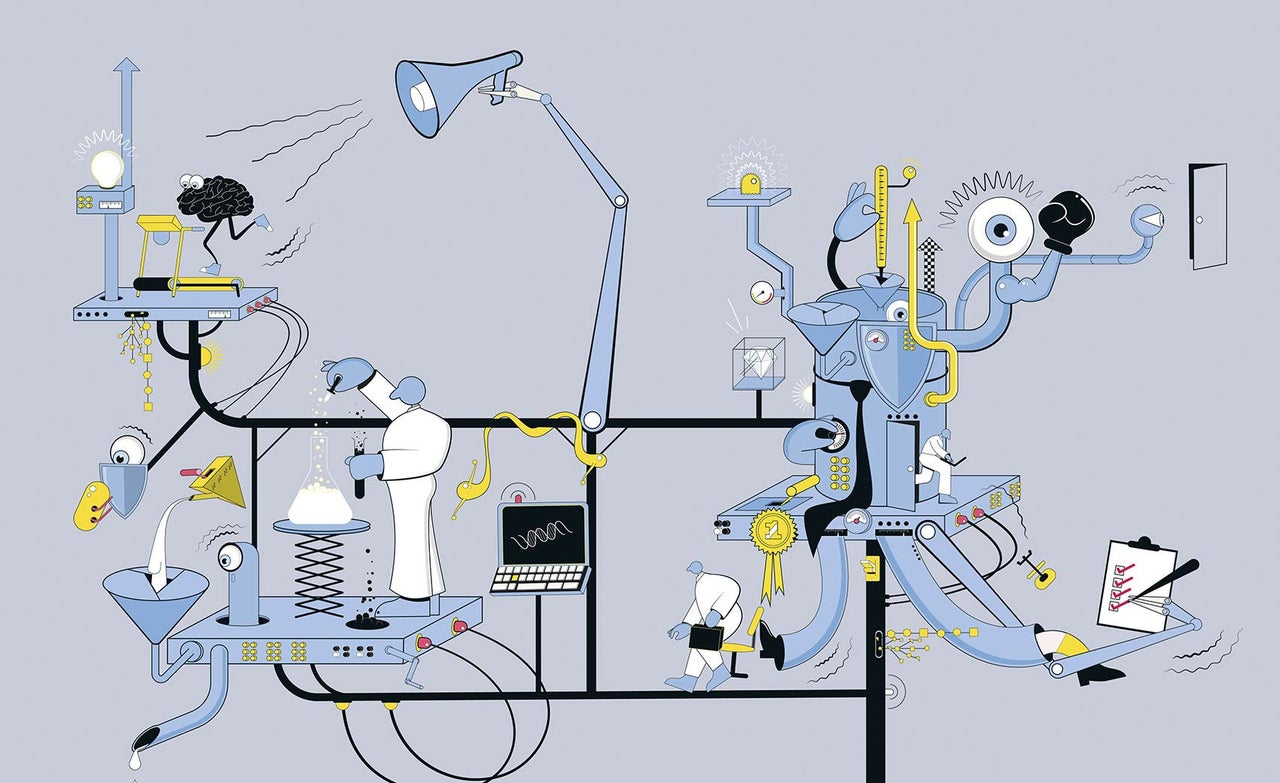
Change is happening here and now, driven by tools that are already available – and it will eat the incumbents' lunch. If leaders don't ready their organization for a sweeping transformation, that is. "AI is becoming the universal engine of execution," not only displacing human activity but "changing the very concept of the firm, how companies operate and compete," they write. Executives who embrace this momentous evolution into a "new economic age" can not only survive, but also unlock new areas of growth. And the end point, as Lakhani explains in a wide-ranging interview, is to become an "AI factory," where the core of the firm functions as a scalable decision factory fed by vast amounts of data.
He likes to think of this as the next logical step in industrialization, this time streamlining the gathering and analysis of data and automating the decision-making processes. "Software, data and AI power a new breed of organization. It's the first time in more than a century that a new kind of firm emerges," he says. "The employees don't deliver the product or services. They work at the edges to design and oversee a software-automated, algorithm-driven digital organization that actually delivers the goods."
There are plenty of current examples where companies have taken humans out of the loop and are betting big on merging data pipelines and letting machine learning make sense of things. "Algorithms and data are now at the center of the company instead of human processors who used to make decisions," Lakhani explains. "If you think about it that way, this newly emerging economy starts to make sense across many different industries, from advertising to ride-sharing and mobility to accommodations and entertainment. All of them have the same features built into them that let them scale in a way we haven't seen before. Those companies can easily expand their scope and have this very powerful learning engine or experimentation platform at their core." Taking this step does not require waiting for a technological breakthrough in AI. "Weak or narrow AI that's on the market today works just fine," the Harvard professor argues. "Each one of these algorithms is very narrowly constrained and defined. They do one thing and do it really well."
A firm may have a collection of algorithms that appear to give it some superpowers. "Task-specific algorithms become better over time as they get more and more data and as we fine-tune the parameters. But it's not as if
a robot will come in
and take over." He thinks the attention on general AI is overblown – and a distraction. "Managers will not be replaced by software or AI, but managers who don't augment themselves with AI will be replaced by managers who do."
Becoming an AI factory is a process that every company in every industry can pull off, Lakhani says. "No matter if you make burgers or cars, the AI factory is the same at all companies. It's a generic capability that all organizations will need to have if they want to take advantage of what's happening." Companies that rethink their business model and their entire operating model around digitization will come out ahead.