
As the world reels from simultaneous systemic risks, experts are grappling with the age of polycrisis and coming up with better tools for multitasking.
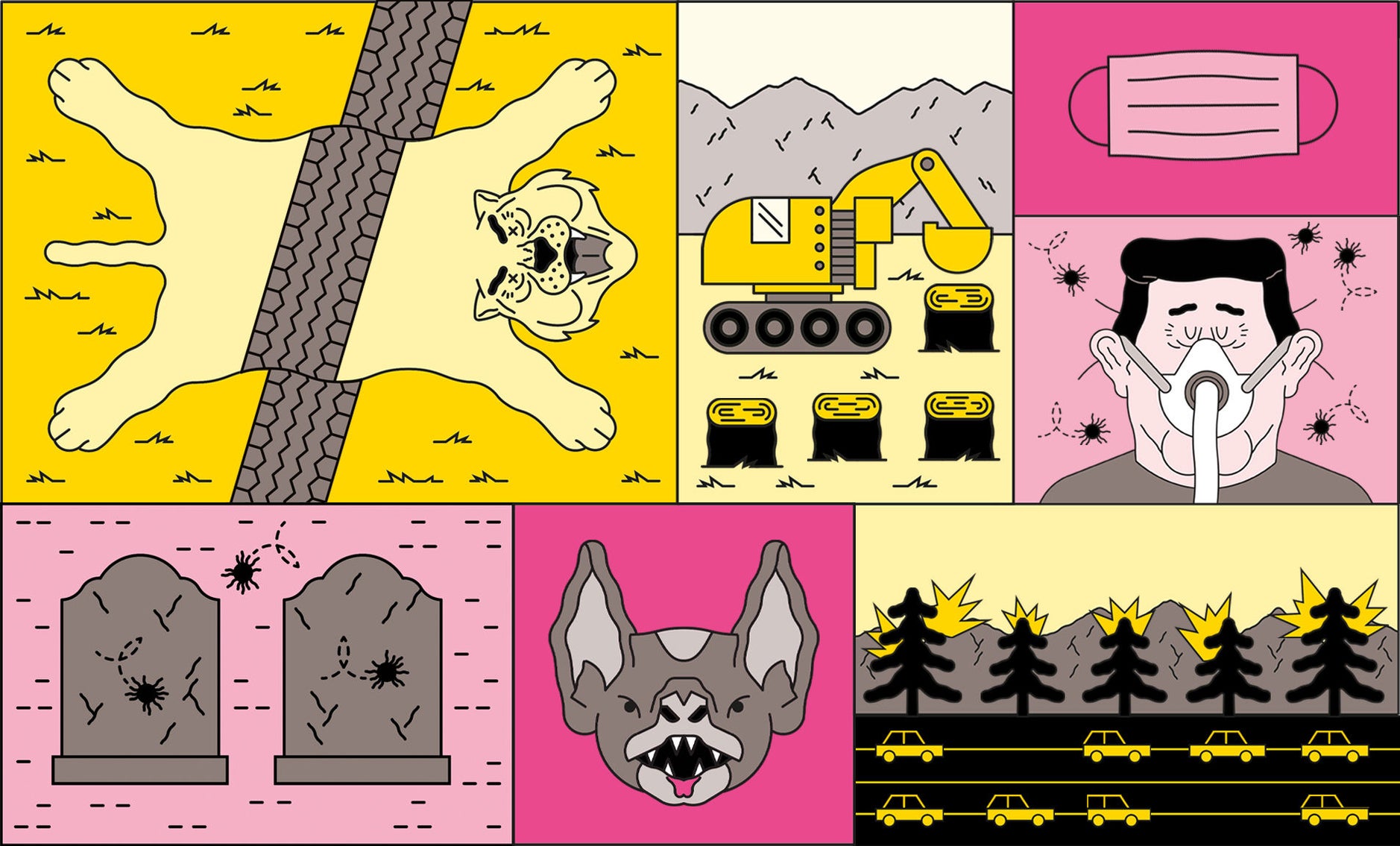
To get a sense of what humanity is up against, consider this smattering of headlines from fall 2022. Climate change is raising the specter that viruses and bacteria will be released from melting glaciers and permafrost and could infect local wildlife, thus becoming the starting point for the next pandemic. The war in Ukraine exposed an estimated 70 million people to food insecurity, on top of the 765 million humans who already went hungry in 2021. Of the 193 countries that had agreed at the climate summit in Glasgow in 2021 to step up their climate actions, only 26 had actually followed through a year later, with some even reactivating coal-fired power plants to get through the winter.
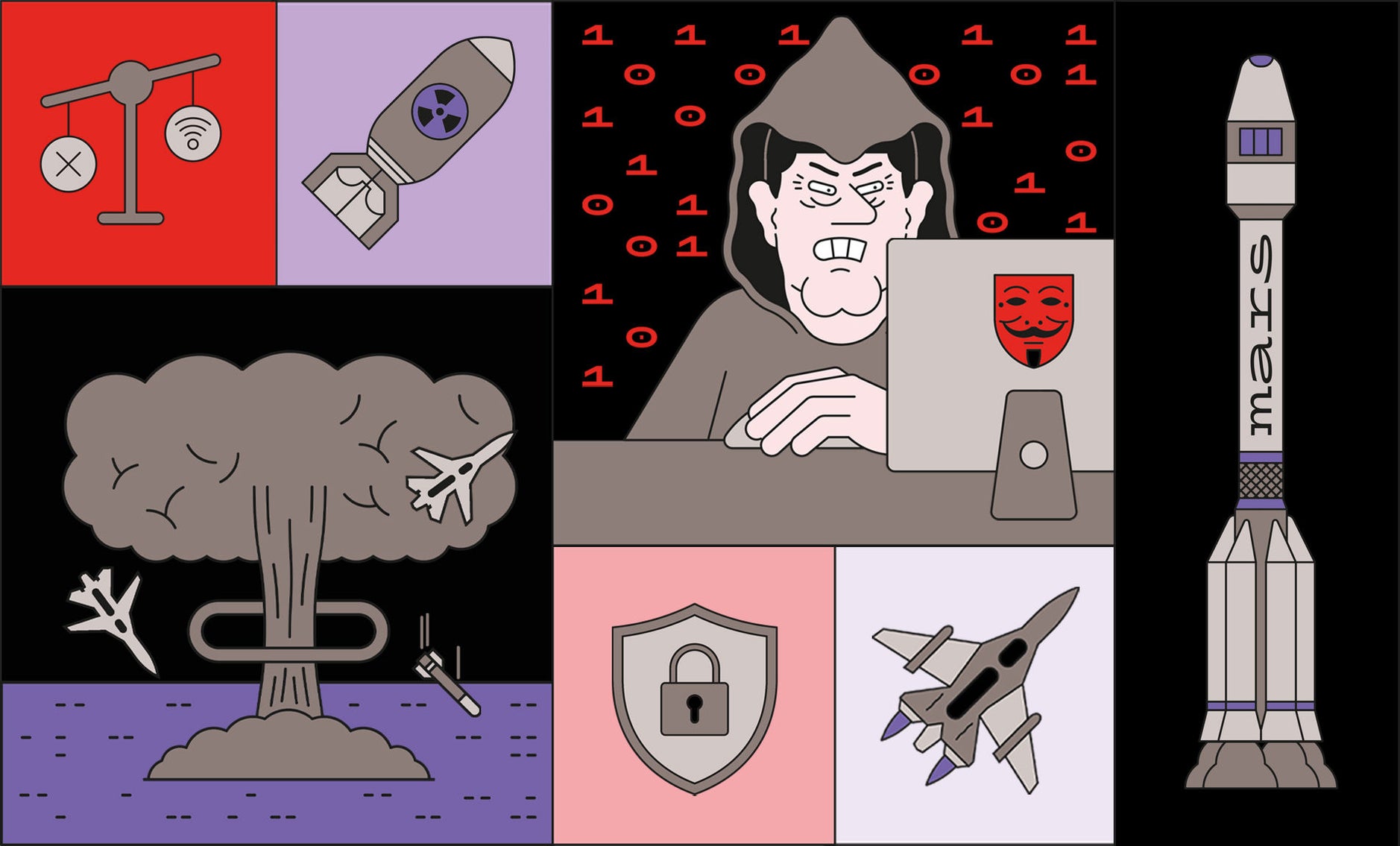
Welcome to the age of polycrisis. It’s a handy umbrella term describing a world roiled by several systemic risks all at once, ranging from climate change and the risk of new animal-born or zoonotic diseases to geopolitical instability and the threat of nuclear war to widespread food insecurity and mass migrations triggered by all of the above. Add in seemingly further-off risks such as artificial intelligence or gene editing running amok, and the future begins to look rather dire.