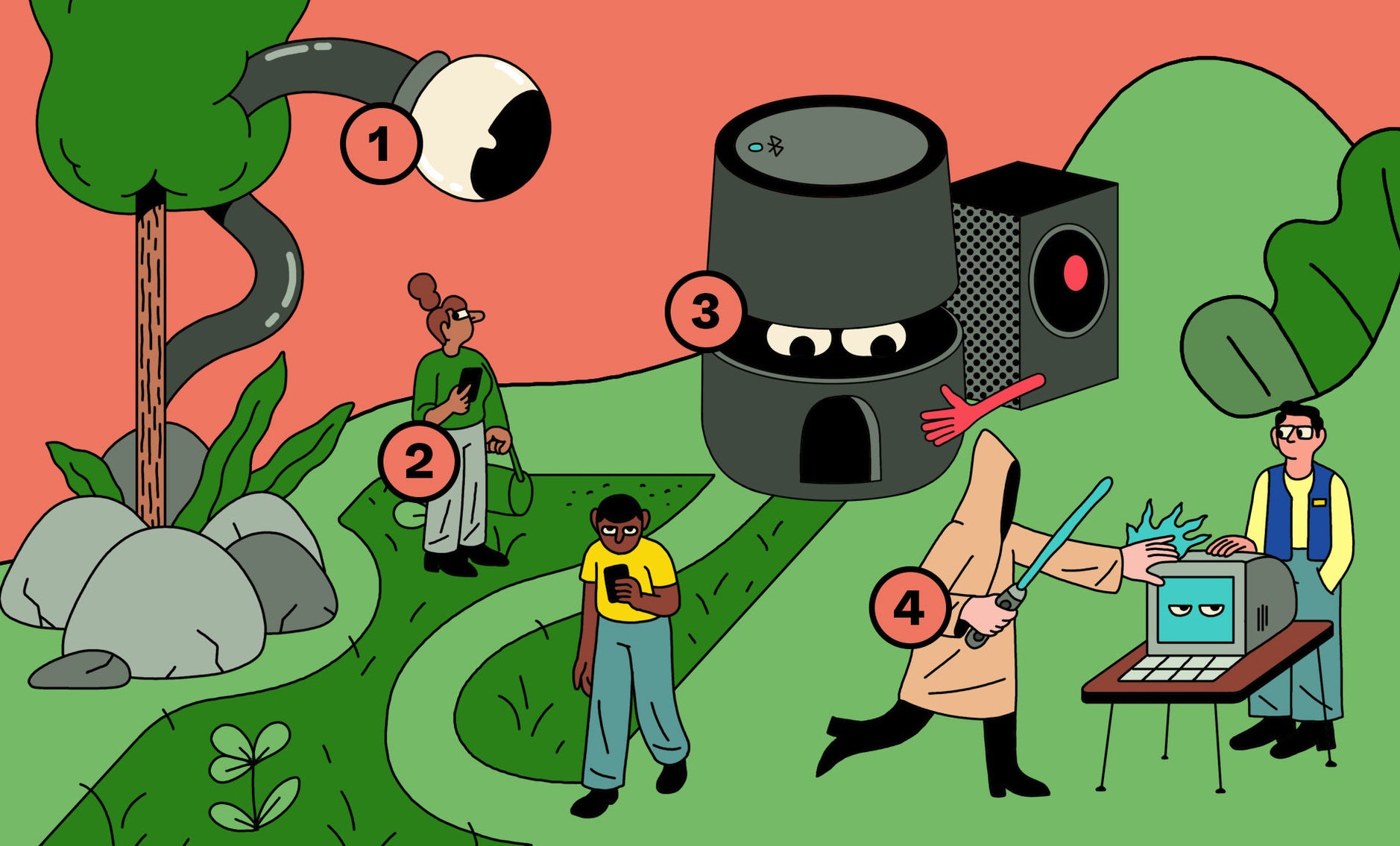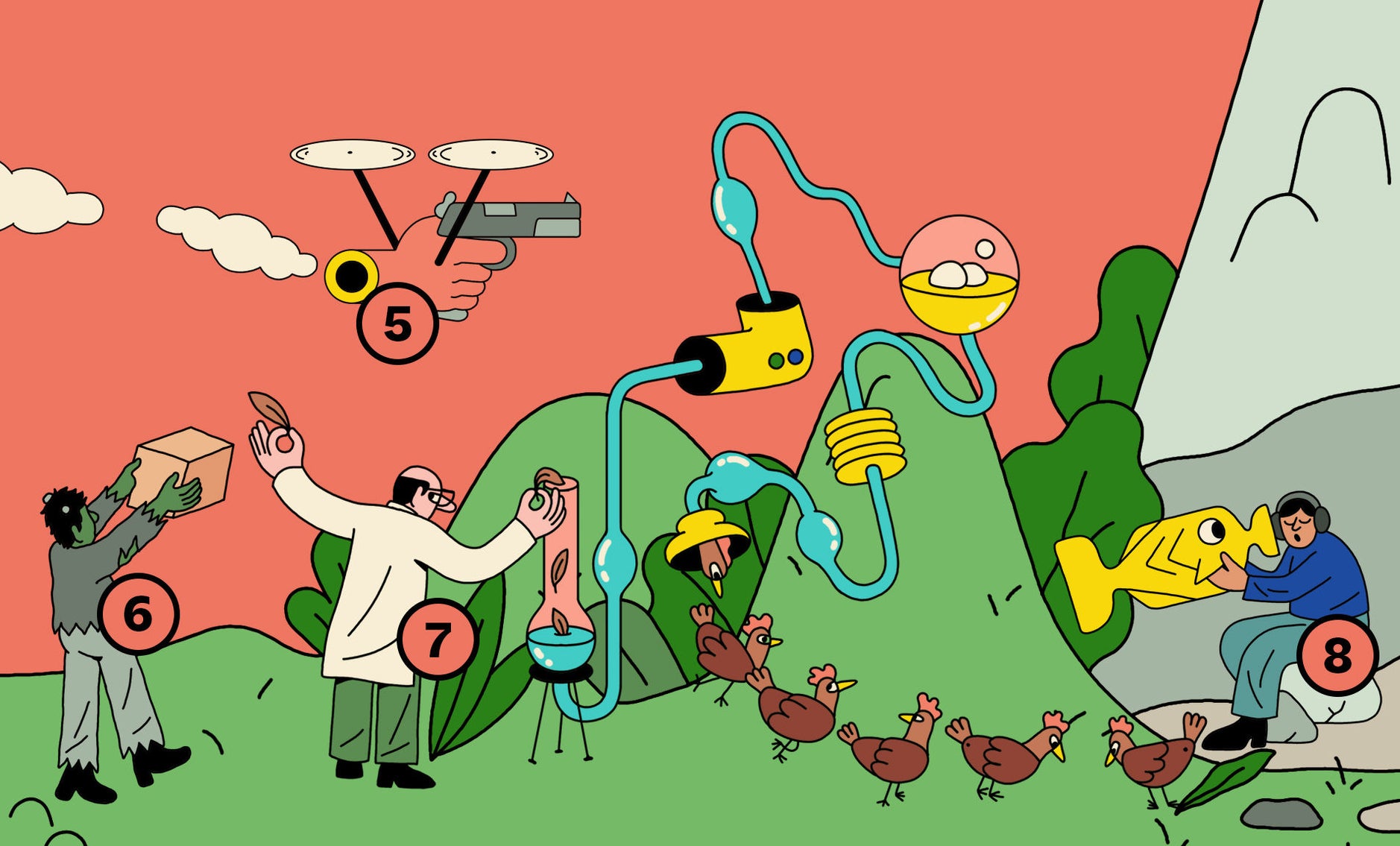

Imagined futures portrayed through the eyes of artists have a huge influence on how we envision what could be. Some have even gone on to inspire scientists to reshape our reality.
Did you ever hear of Konstantin Tsiolkovsky? Probably not. He’s the Russian physicist who died in 1935. Even if you’ve never heard of him, you will certainly know one product that was developed – mostly after his death – and which relied heavily on his findings: the rocket. Alongside scientists such as the German Hermann Oberth and the American Robert Goddard, Tsiolkovsky is seen as one of the founding fathers of rocket science and astronautics.
And even though you may have never heard of Konstantin Tsiolkovsky, you also will certainly know the source of inspiration that propelled him to become a rocket scientist in the 1870s: From the Earth to the Moon, a novel by French science fiction author Jules Verne. In it, Verne describes how three men are shot to the moon with an enormous space cannon – and the teenage Tsiolkovsky, who was not allowed to go to school because he was deaf, read the book, thought that a cannon could in no way be a tool for traveling into space and started to think about other ways of getting to the moon. And, at last, found one.