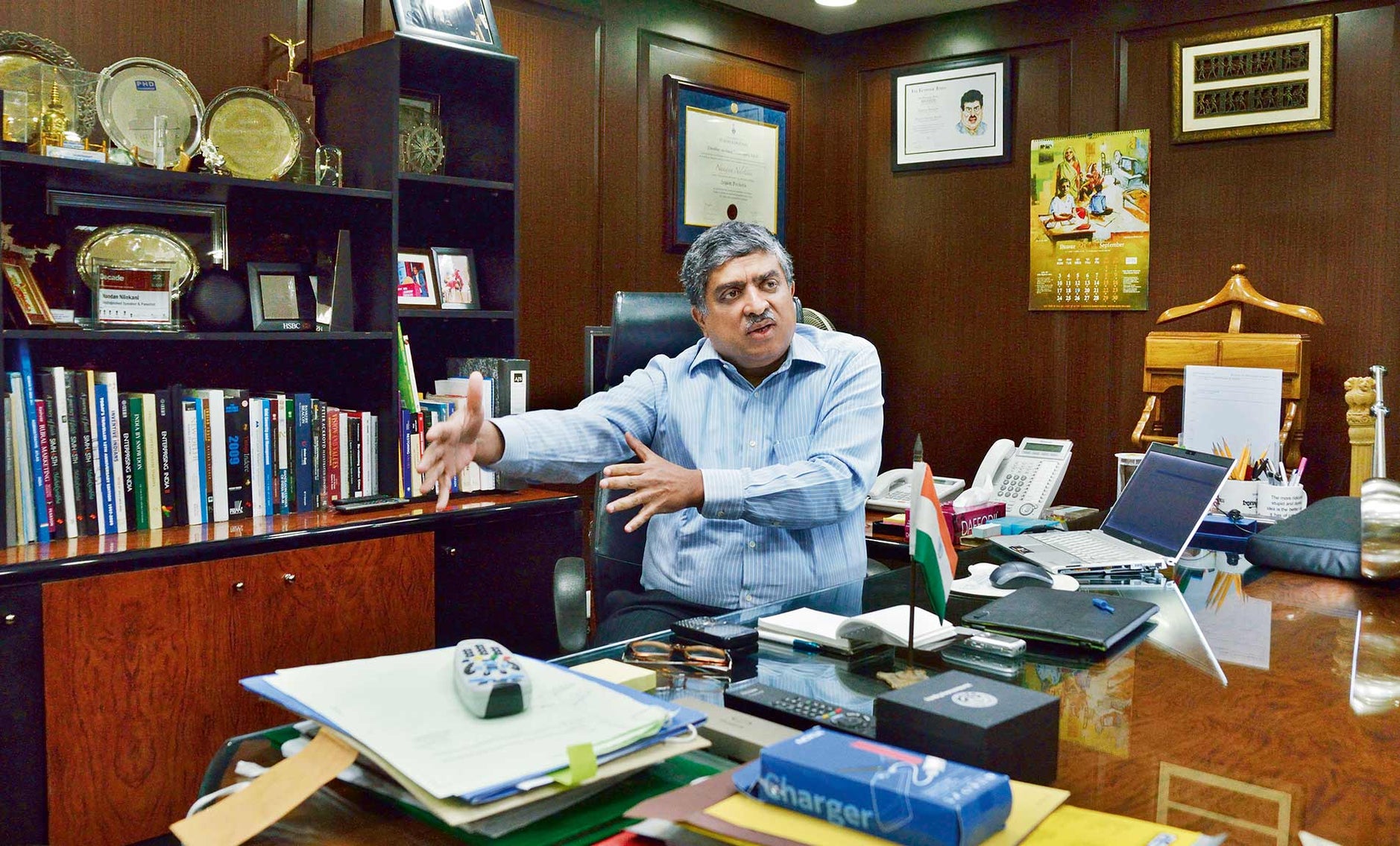
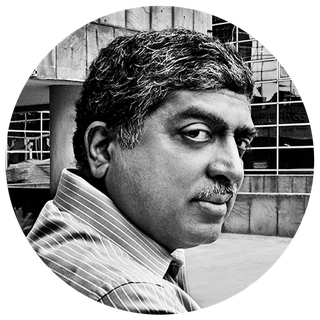
Nilekani understood that he needed to work fast. India is a democracy and with elections every five years, political considerations can derail even the best-laid plans. Policies and projects are often tied to political motivations, so initiatives started by one government are quickly scuttled by the next. "When you have the opportunity, the quicker you build something and roll it out, the less the risk that something will happen to it," he says. A regular at global events like the World Economic Forum at Davos, Nilekani is used to rubbing shoulders with the world’s movers and shakers. He is a savvy networker and knows how to get deals done. He brought that skill with him and exploited it to get the Aadhaar project off the ground. In the 14 months that it took to launch the Aadhaar platform, he made sure he had a trustworthy CEO who could handle the day-to-day affairs while he managed the complex environment.
India has a federal government structure which meant that apart from managing expectations at the central government level, Nilekani also had to network with the ministers and bureaucrats from India's 29 states and seven union territories. Apart from that, he met all the central government departments, the Reserve Bank of India, the World Bank, various multinational institutions and major companies. "By reaching out to all these people and convincing them about the merits of what we are doing, we were able to build a nationwide consensus around this platform," he says. The second thing he did was keep the design simple, even minimal, so that it would be easy to roll out.
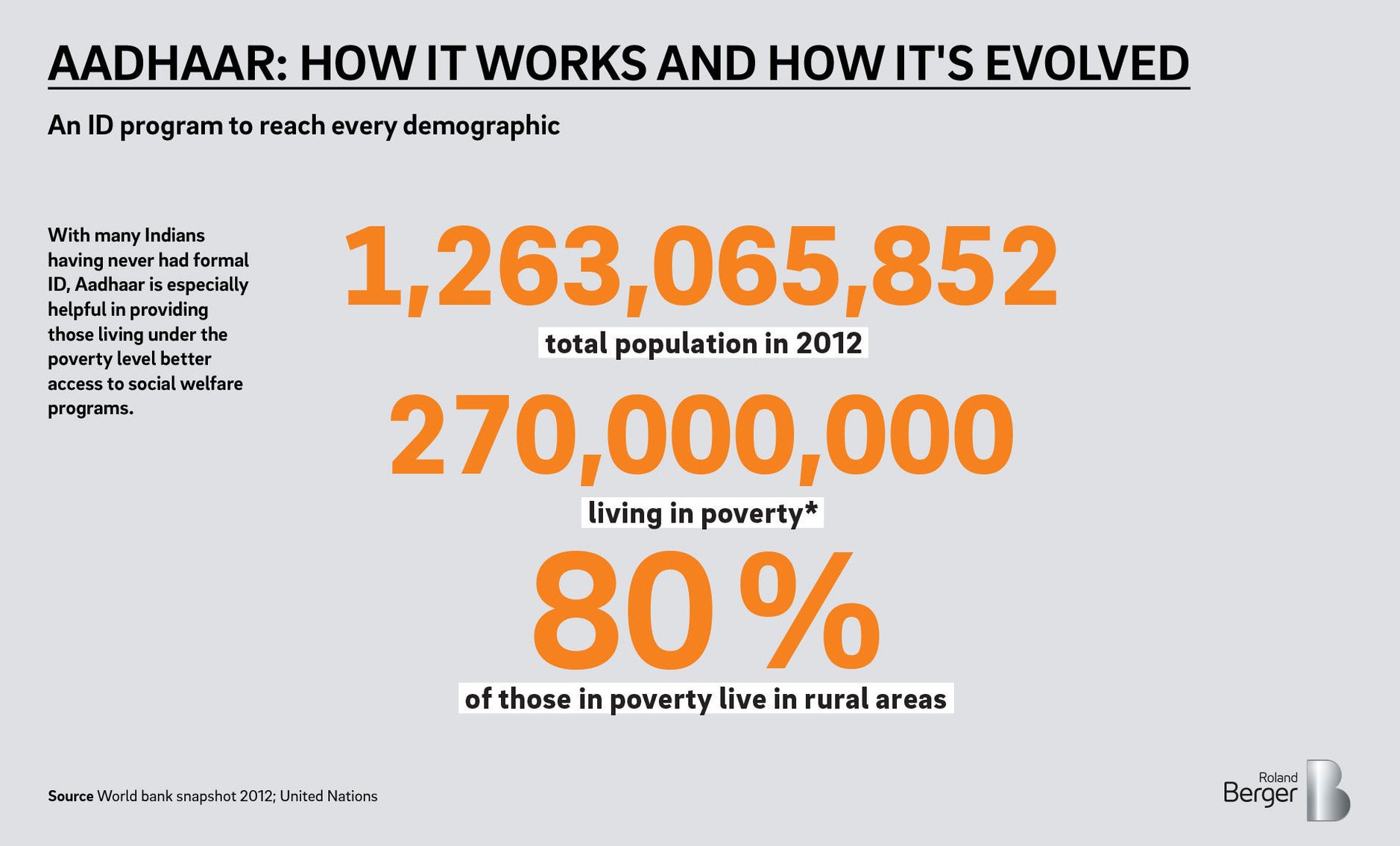
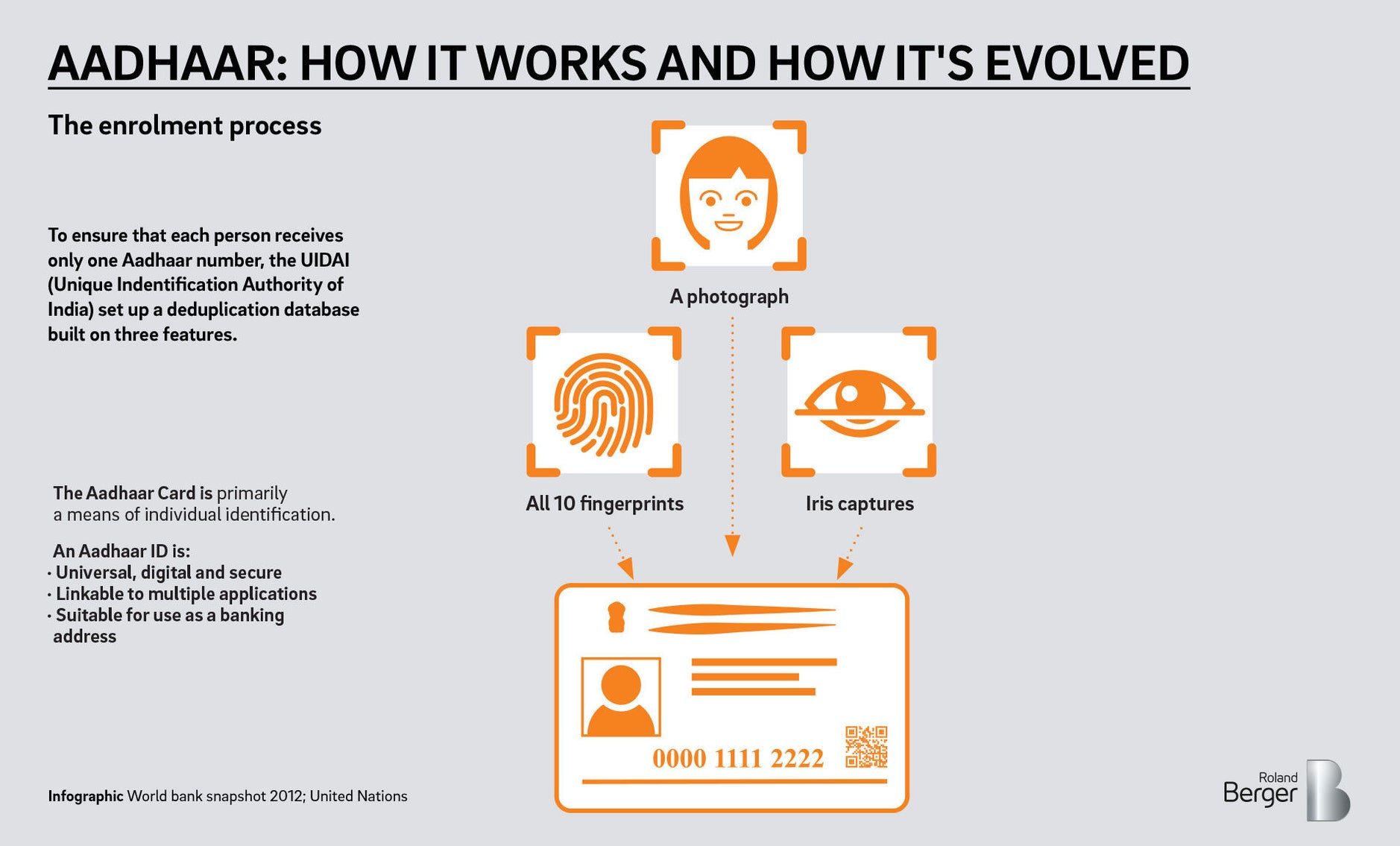
"There's a temptation to solve too many problems in one solution. If you make a solution too heavy, it sinks under its own weight. We had to keep the solution simple and lightweight and we designed it as a set of layers," says Nilekani. So the first layer was about getting everyone to have an ID.
Aadhaar also terminated corrupt ecosystems
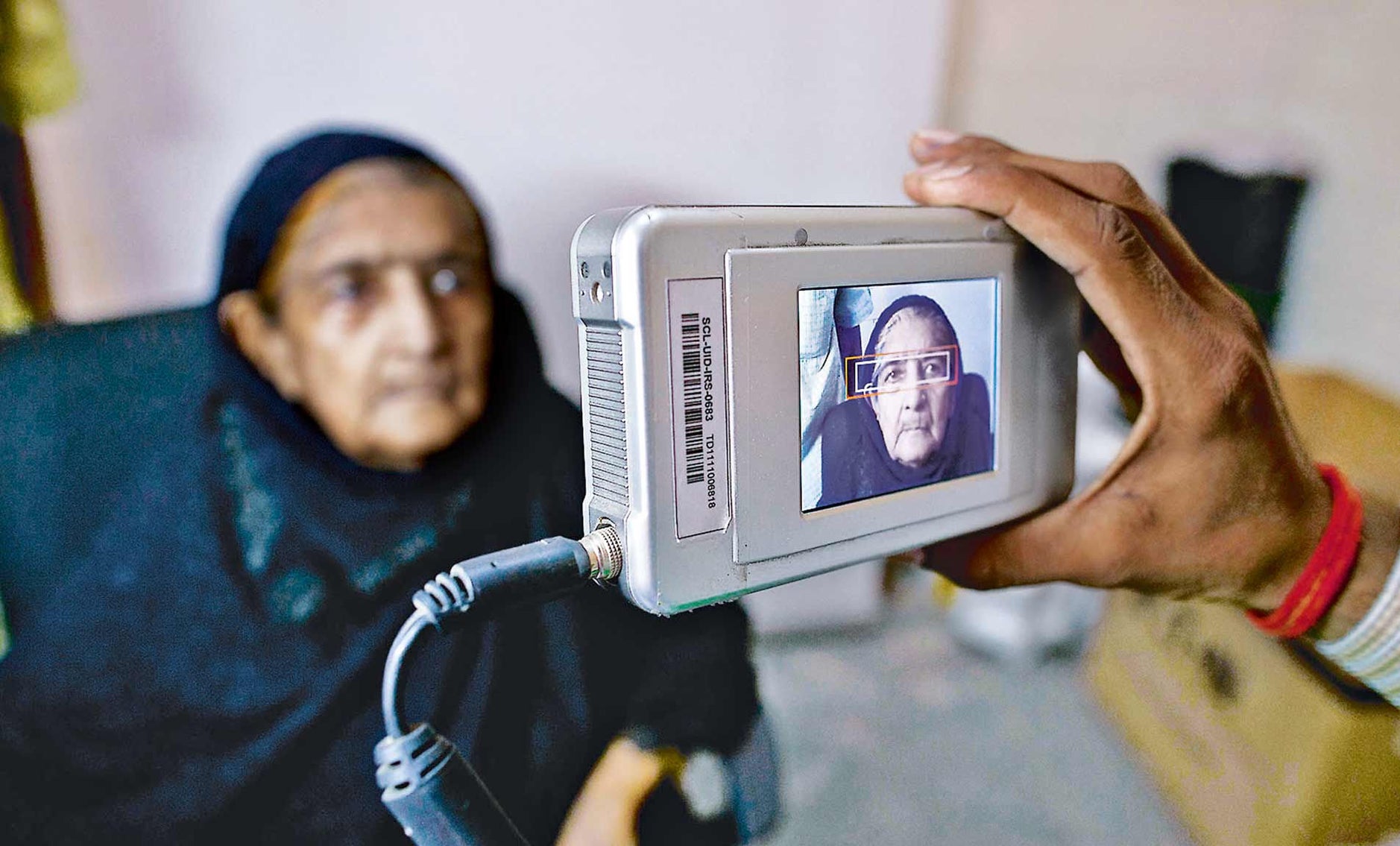
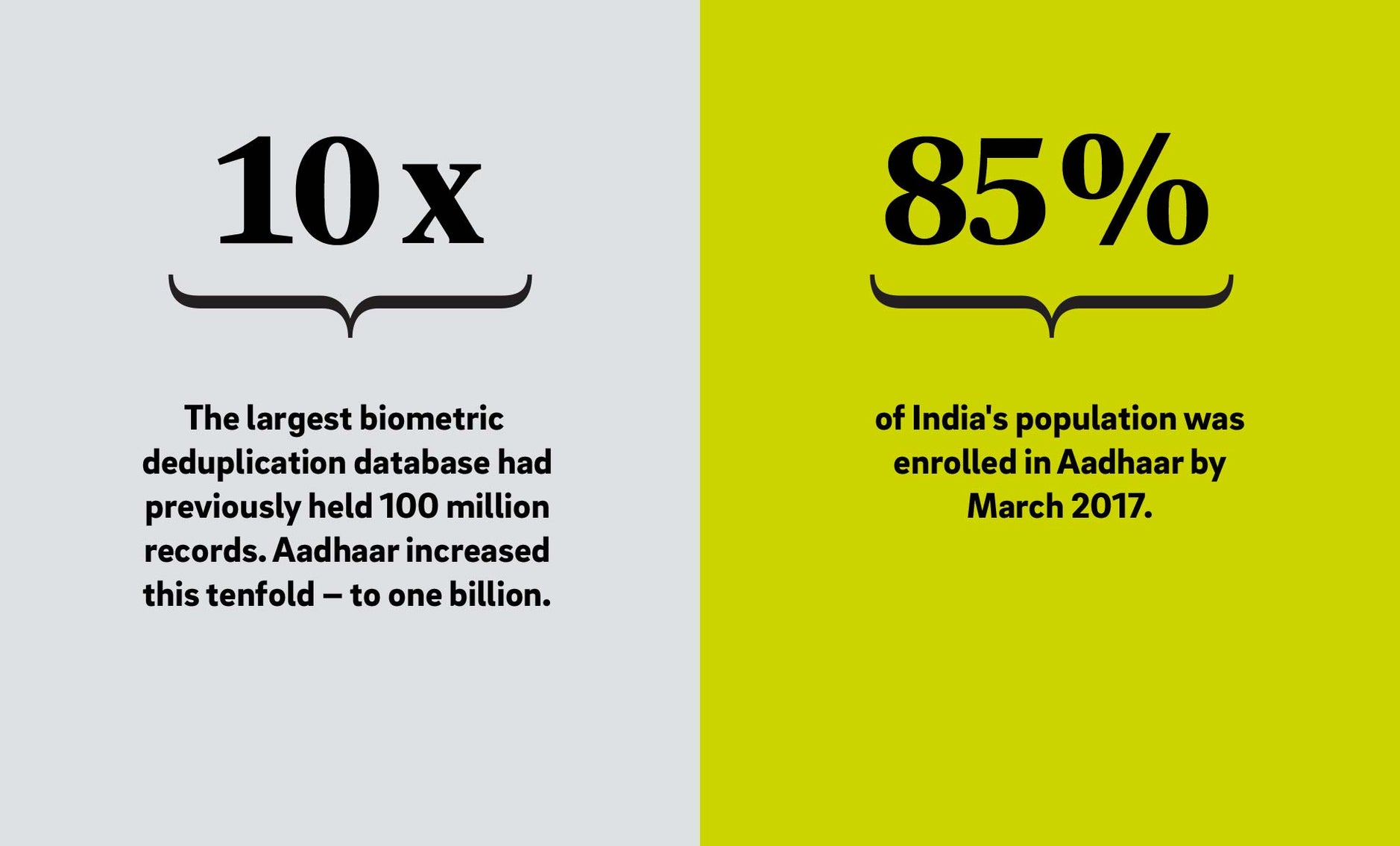
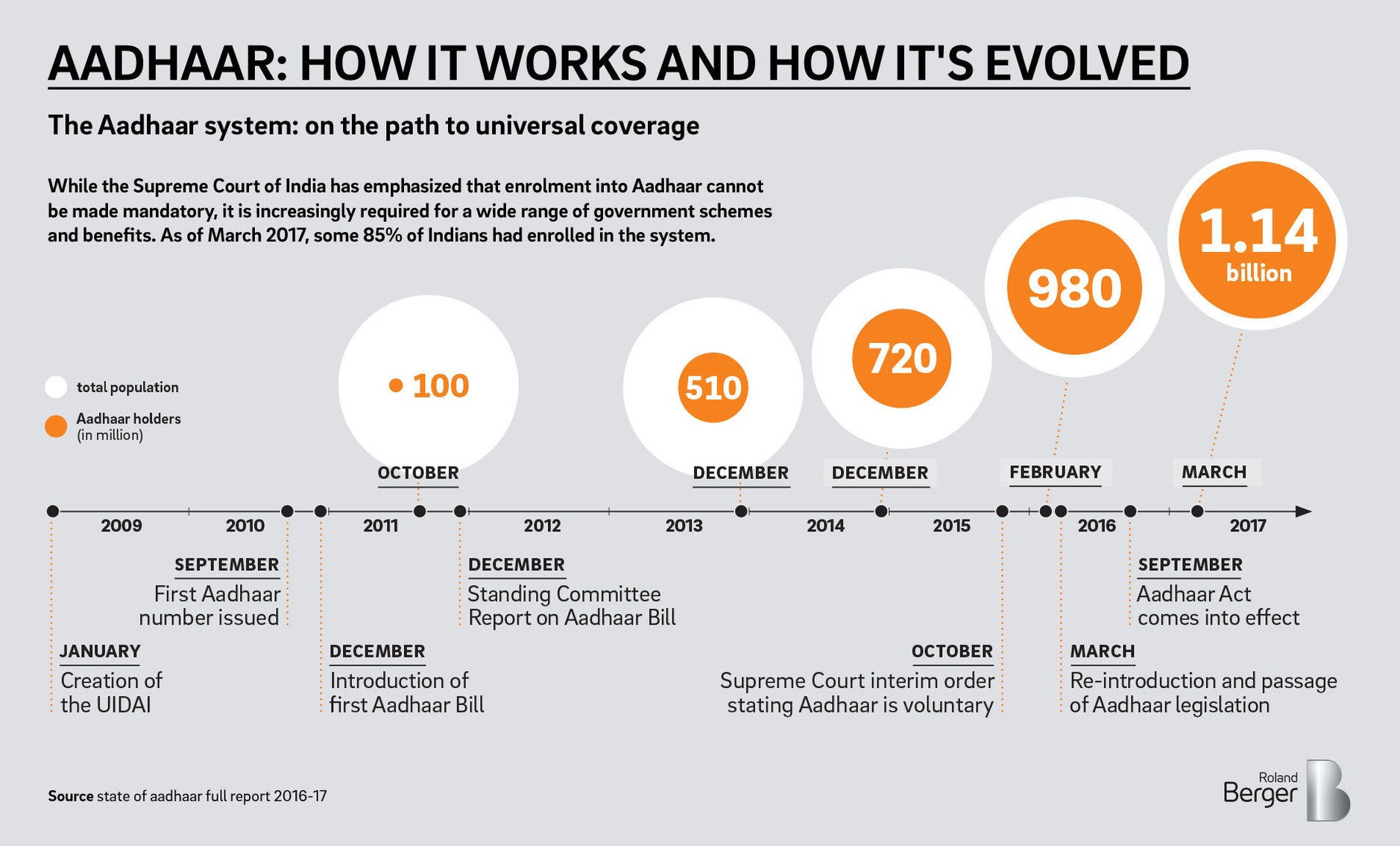
The system was designed for scale in order to reach a billion people in a reasonable amount of time and could enroll 1.5 million people a day. To achieve those kind of numbers, UIDAI created an ecosystem of partners who would work with set technology and process specifications and help with the actual enrolments while it remained as the central number-issuing authority. "At peak we had something like 35,000 enrolment stations across the country," says Nilekani. Nilekani had achieved 600 million Aadhaar enrolments by 2014 and by March 2017 the figure stood at 1.14 billion, or around 85% of India's population.
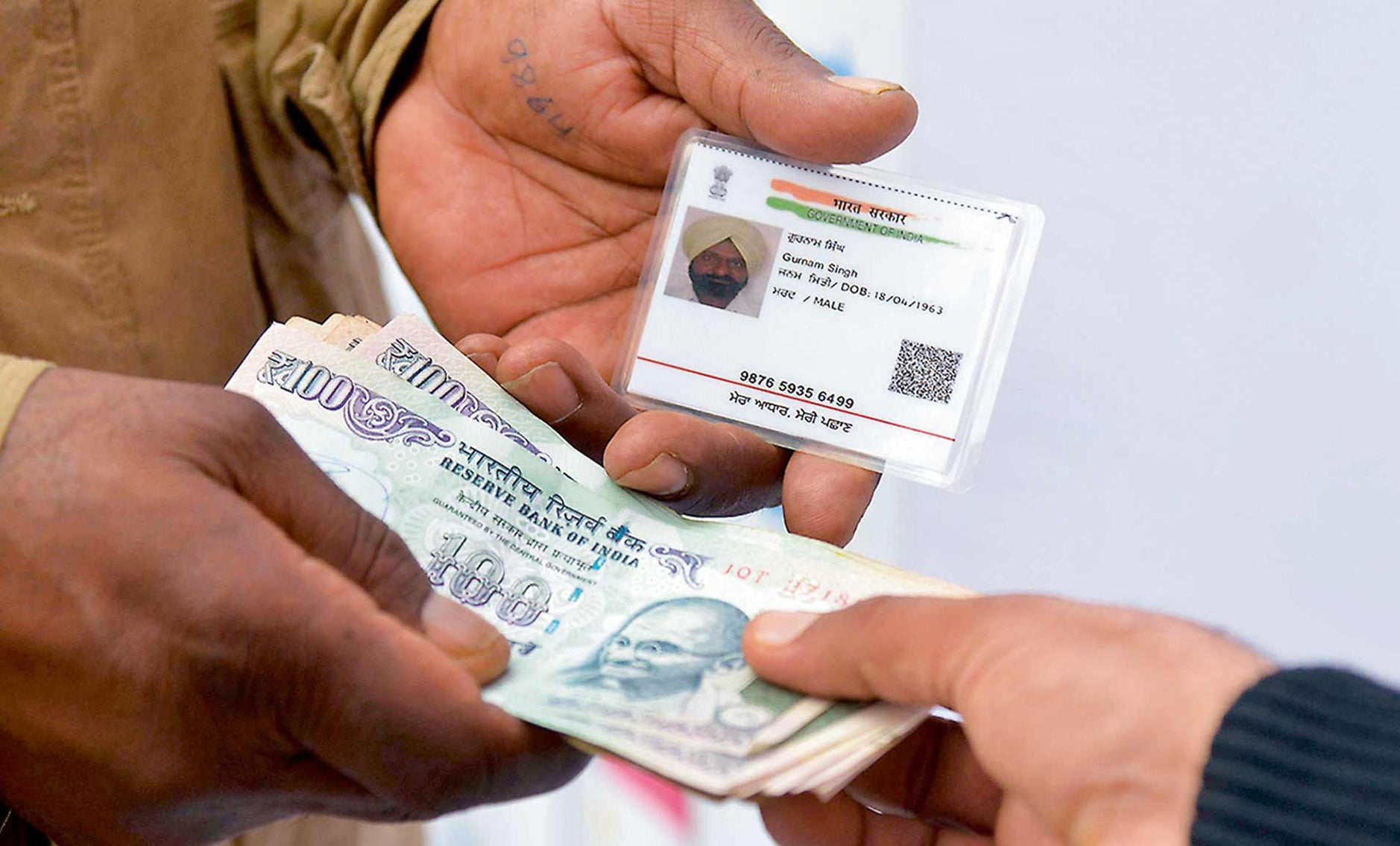
In 1985, then Indian Prime Minister Rajiv Gandhi famously said that of every rupee spent by the government for the welfare of the poor, only 15% reached the intended beneficiary, highlighting the level of corruption in the system. Three decades later the situation hadn't improved much. The introduction of Aadhaar upended many of these corrupt ecosystems. Today more than 500 million Indians have their bank accounts linked to their Aadhaar ID – as a result, they can electronically receive money from the government or anybody else within 48 hours. "Using technology, we are able to make sure that 100% of the rupee went to the person intended and so it is a dramatic increase in people getting what they were entitled to," explains Nilekani. Estimates suggest that the government has ended up saving $9 billion in reduced fraud – all on the back of the $1.5 billion investment in putting Aadhaar in place. As World Bank President Jim Yong Kim once remarked: "This could be the greatest poverty killer app we've ever seen."
Apart from streamlining government subsidies, there have been other benefits too. For instance, Aadhaar has given a huge boost to financial services by making it dramatically easier to open a bank account, buy a mutual fund or acquire an insurance policy. In telecom, it's become easier to acquire a SIM card. These might seem to be very simple things, but the fact is that these services were out of reach for large portions of the population simply because they were unable to provide a valid proof of identity.