Bifurcation of semiconductor players
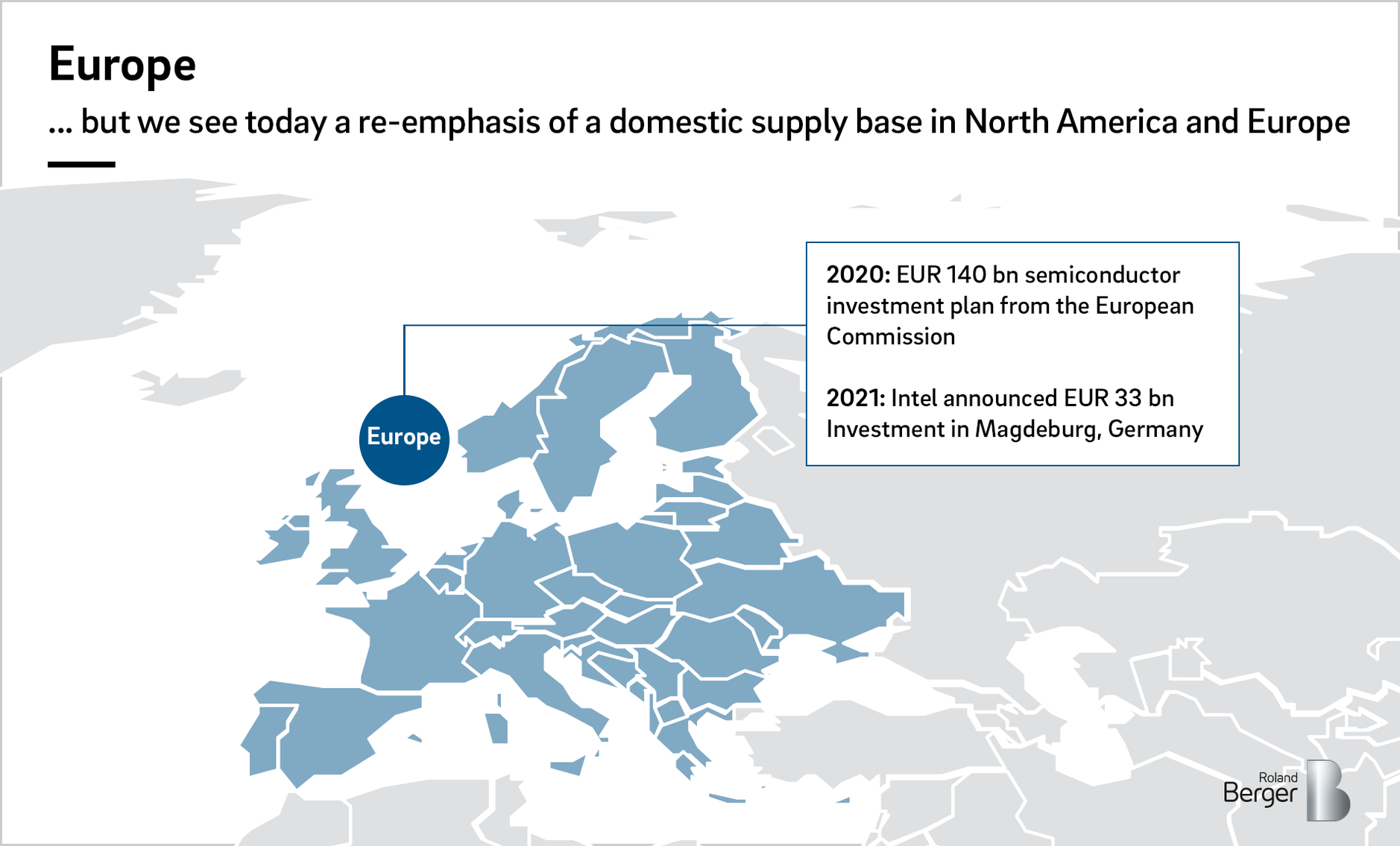
In the past, a large number of semiconductor players (TSMC, Samsung, Intel, Global Foundries, Texas Instruments, Infineon, and others) competed in the latest generations of nodes. Now, we see the semiconductor competitive landscape bifurcating.
Many historical semiconductor players such as Texas Instruments have opted out of the race towards the smallest nodes. They are focusing on next-to-leading or even legacy nodes.
The current
semiconductor
crisis reemphasized the need for capacity at the more legacy nodes. The automotive industry and many industrial applications still depend on much more legacy-driven electronic architectures. This bias drives a much higher dependency on next-to-leading and even legacy semiconductors for automotive controllers, power electronics, and sensors. This is in stark contrast to, say, mobile and consumer electronics, which use a much larger share of advanced semiconductor capacity for their centralized processors.
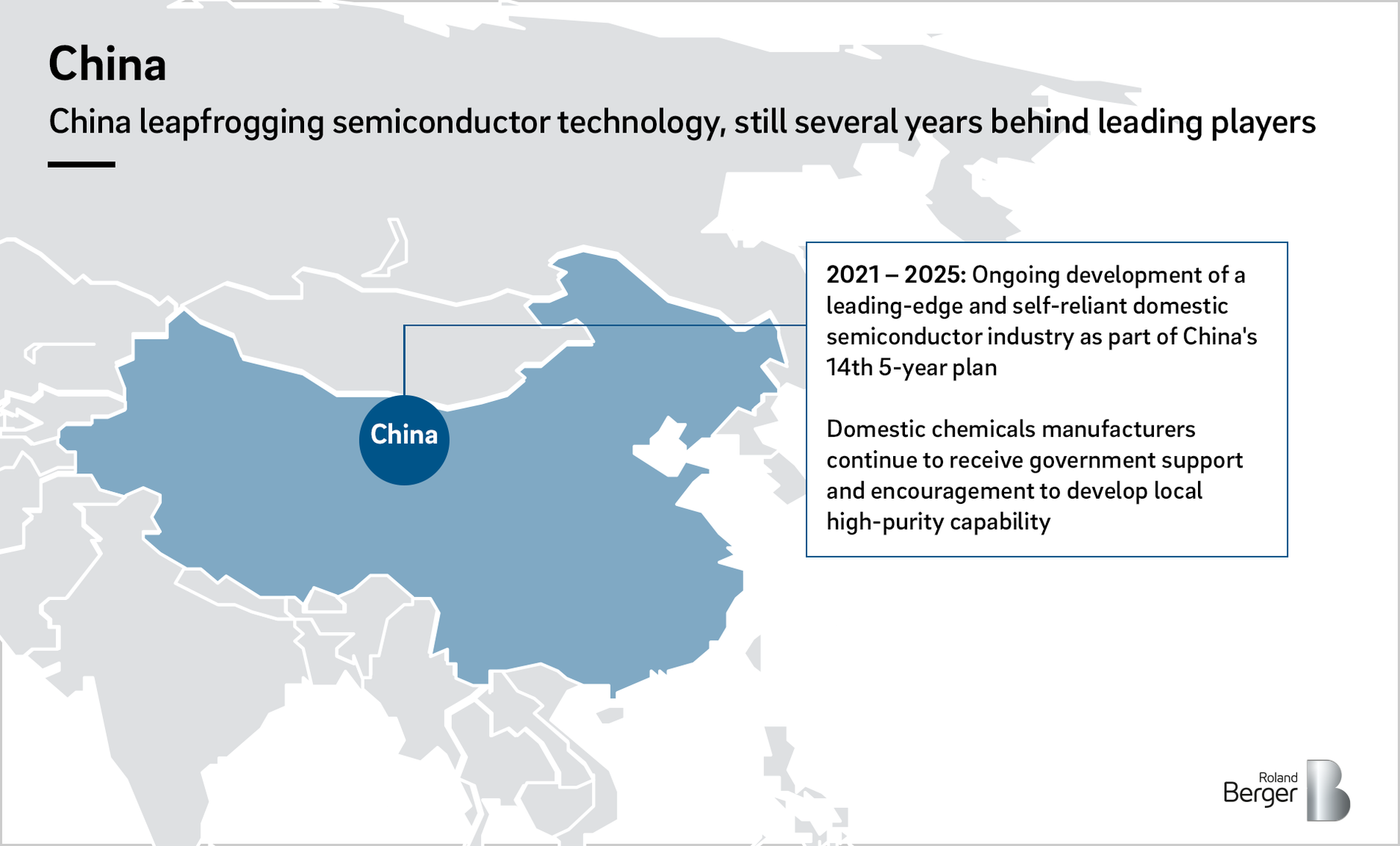
In these more legacy nodes, the democratization of technology is inviting other emerging players, such as new Chinese fabs, to compete. For these companies, the current available electronic chemicals and materials technologies are often deemed "good enough": There is limited need for continued improvement in purity and performance and there is limited need or appetite to pay for the most advanced technology. The definition and verification of specifications are increasingly being delegated to the fabs' direct suppliers, such as engineering players for fab construction materials, or distributors for sourcing of consumable chemicals and consumables. Conversely, technical service and security of supply are becoming much more important than product differentiation, as customers reduce in-house capabilities yet still seek to optimize costs.
Only a few leading-edge players like TSMC and Samsung continue to pursue smaller nodes beyond 5nm. These players have a need for continued chemicals and materials innovation to enable the higher levels of precision required with these smallest nodes. The cost of defects in manufacturing processes is so high that these customers continue to define and verify chemicals and materials specifications directly. That said, chemicals purity requirements may not continue to increase, as in many cases the "five 9s" purity levels (99.999%+) for chemicals far exceed the purity of other components in the
semiconductor manufacturing process
. To reduce contamination, other components like material handling piping/equipment, industrial gases, and assembly line metallurgy need to catch up to the standard set offered by leading chemicals suppliers in the space.