Sustainable aviation fuels – a near-term solution?
SAF would appear to be the most mature
technology for powering aircraft
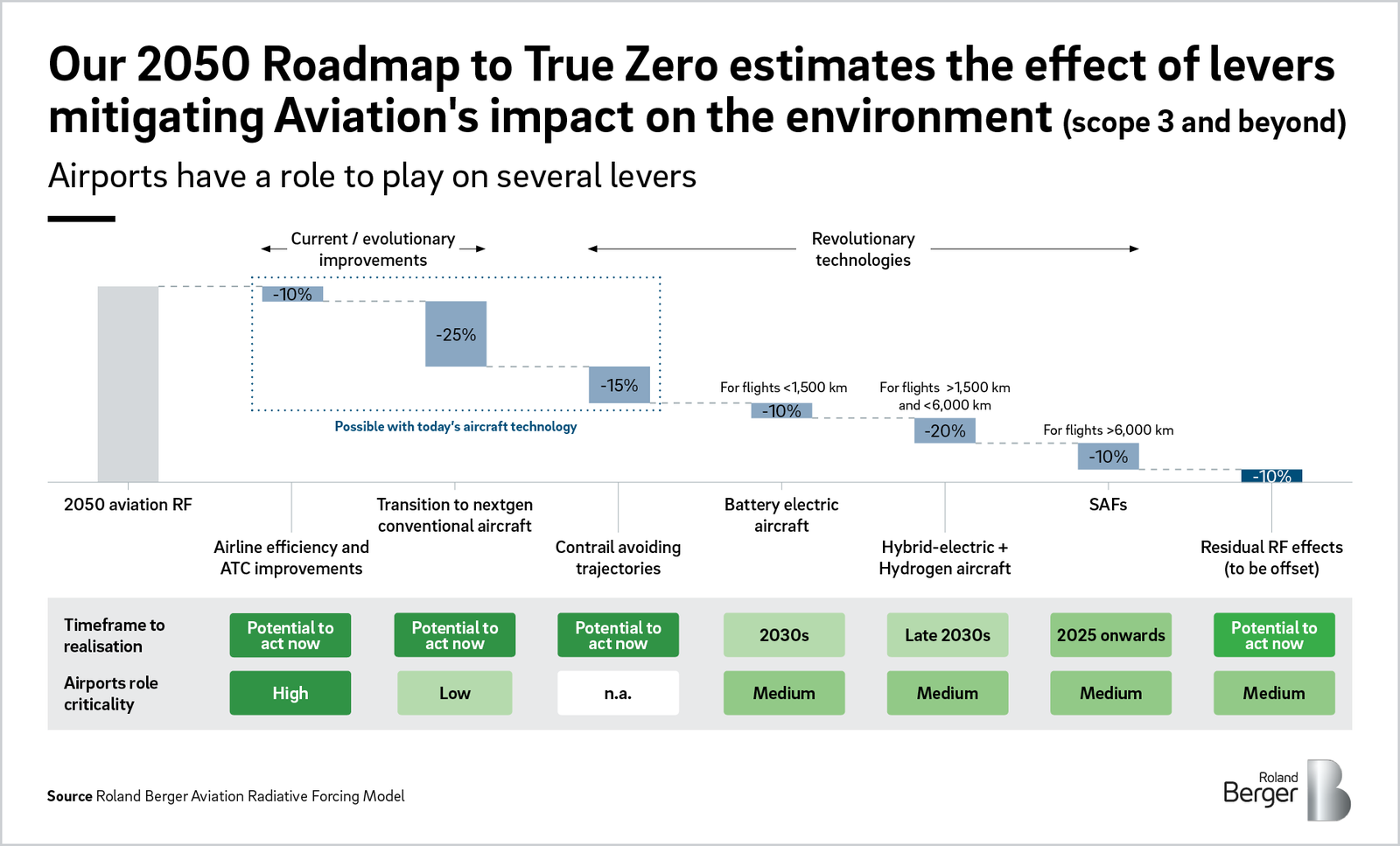
in the near term, although it remains at an early stage of development. SAF production currently faces major hurdles, and a shortage of 1.5 Mtoe is expected in the year 2030 only. Such fuels are also much more expensive than kerosene at present, costing USD 9.5 a US gallon compared to just USD 2.6 for kerosene.
In terms of regulation, the future for SAF can best be described as complex but promising. Regulators are backing the technology as a means of decarbonizing the industry: For example, mandates in Europe and policies in the United States are currently aiming for 63 to 100 percent SAF uptake by 2050.
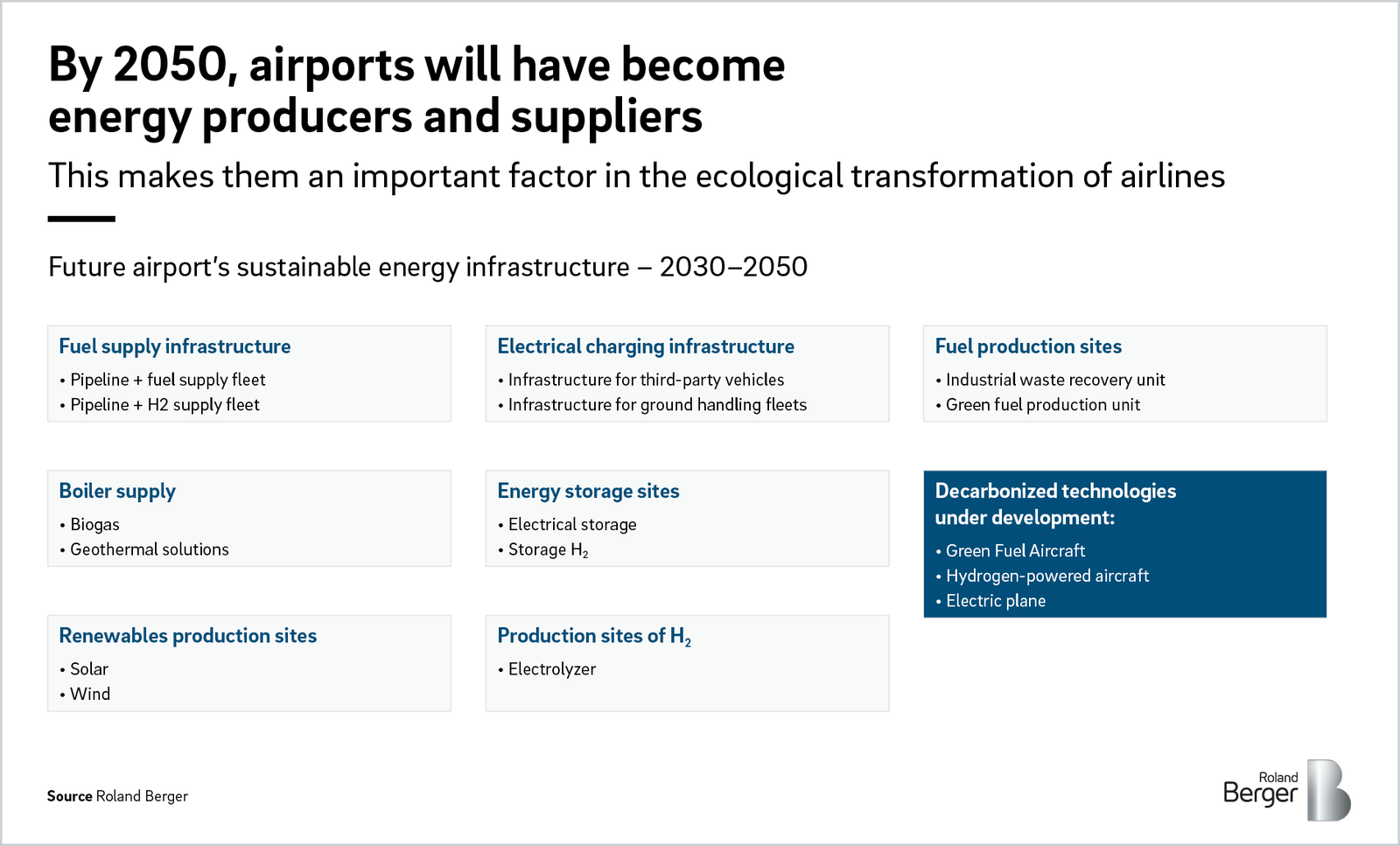
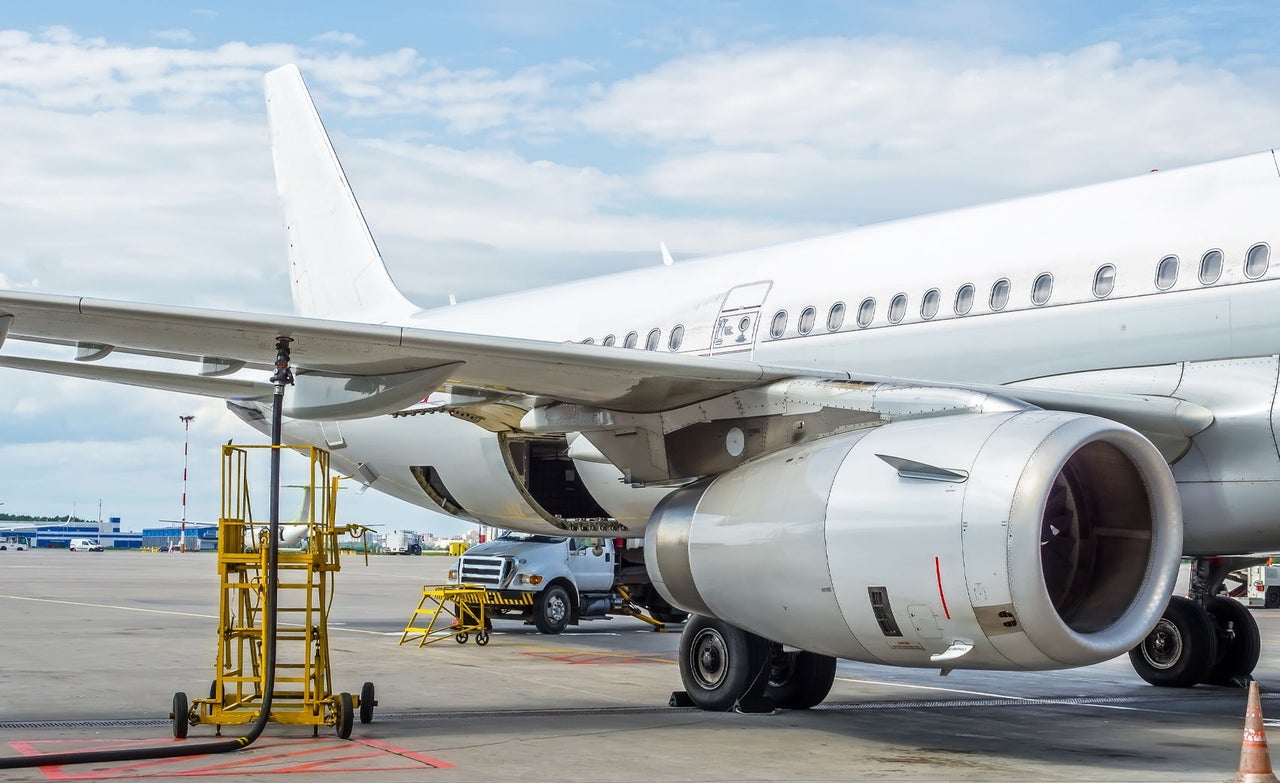
That said, adapting the fueling infrastructure at airports for SAF will be challenging. At the moment, SAF blends do not need separate infrastructure as they are designed to be integrated with traditional jet fuel, a process called "drop in". But if airlines wish to purchase different percentages of SAF blends, this raises a number of key questions. For example, if one airline wants to use 50 percent SAF and 50 percent jet fuel, and another wants to use 100 percent SAF, would an on-site blending facility be needed or could airports offer different SAF blends at different SAF farms, like at a gas station? Would blending facilities at airport gates best meet the airlines' needs? And what level of traceability would be required of airlines regarding the type of SAF purchased?
Other questions arise with regard to the production of SAF. For example, could production take place within or near to airports in order to avoid transportation costs? Local production coupled with airport blending facilities would mean that airport operators could purchase raw kerosene on the market and blend it with local SAF on the airport's premises. Resolving these and other questions will require close cooperation between oil companies, airports, airlines and aircraft manufacturers over the coming decade.
Hydrogen-powered aircraft – a solution for tomorrow?
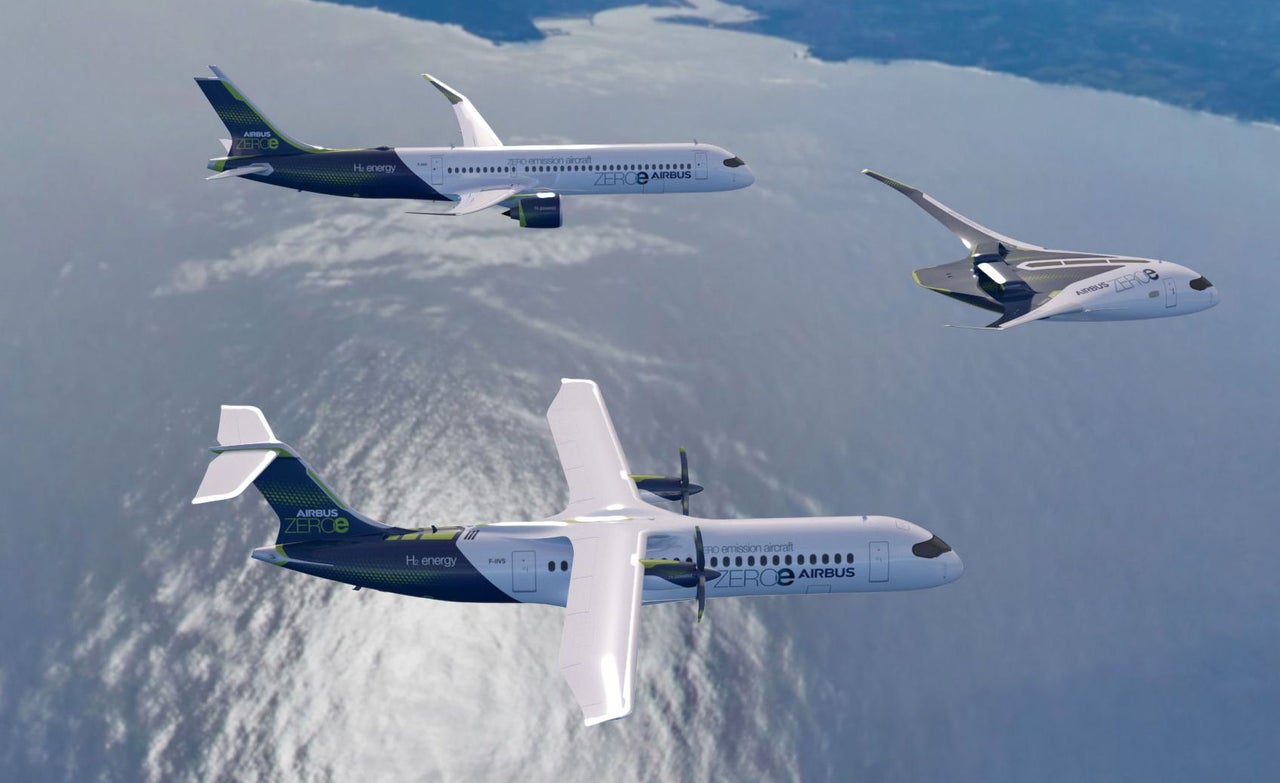
Hydrogen-powered aircraft are even more efficient that aircraft using SAF, eliminating up to 90 percent of total emissions (in the case of green hydrogen) compared to 60-70 percent for SAF. However, the use of hydrogen technology is currently considered a longer-term goal. When it does come in, it will also likely have a more drastic impact than SAF on airport infrastructure, as hydrogen requires specific liquefaction facilities, storage facilities and refueling facilities, different from the current facilities for processing traditional jet fuel.