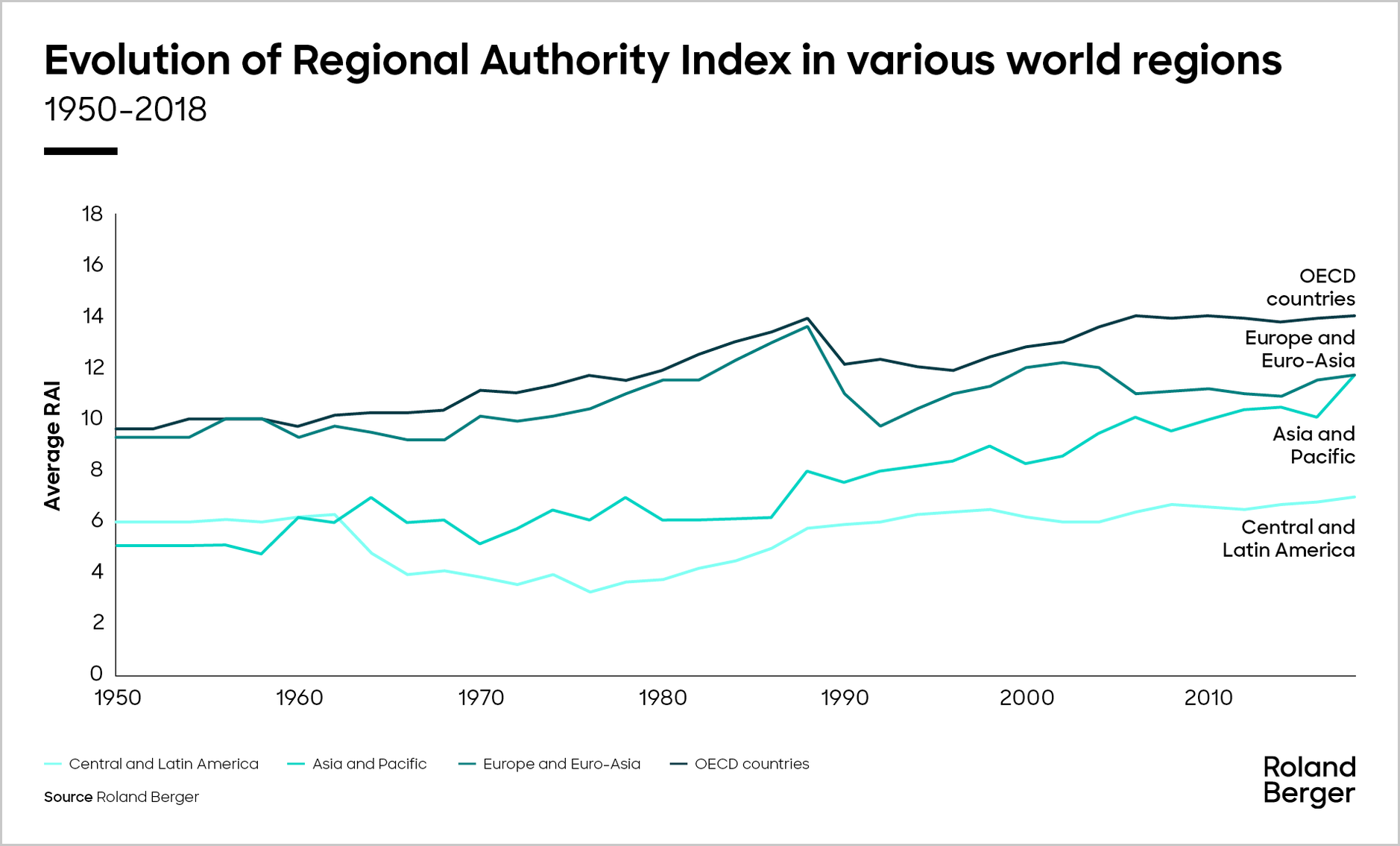
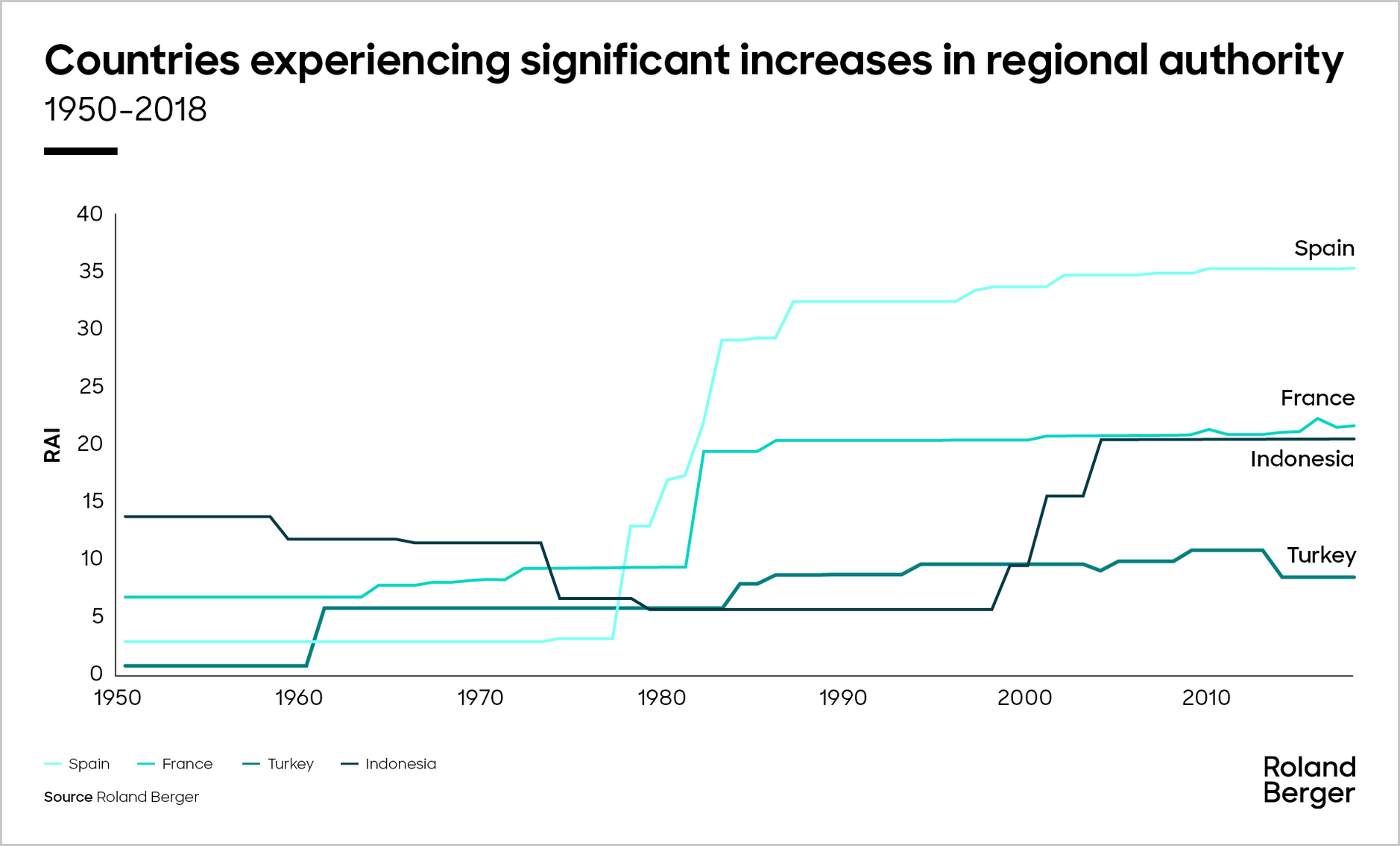
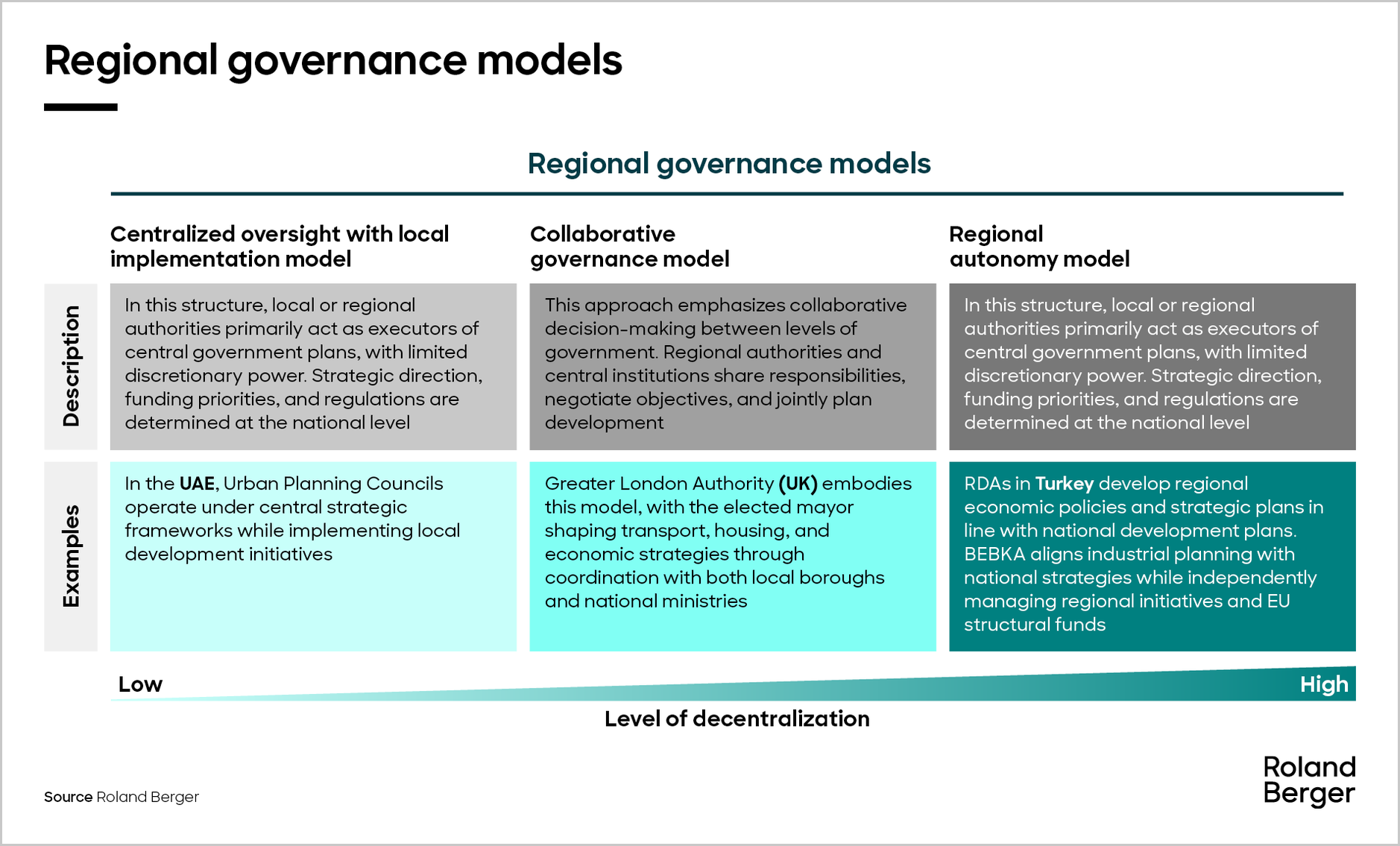
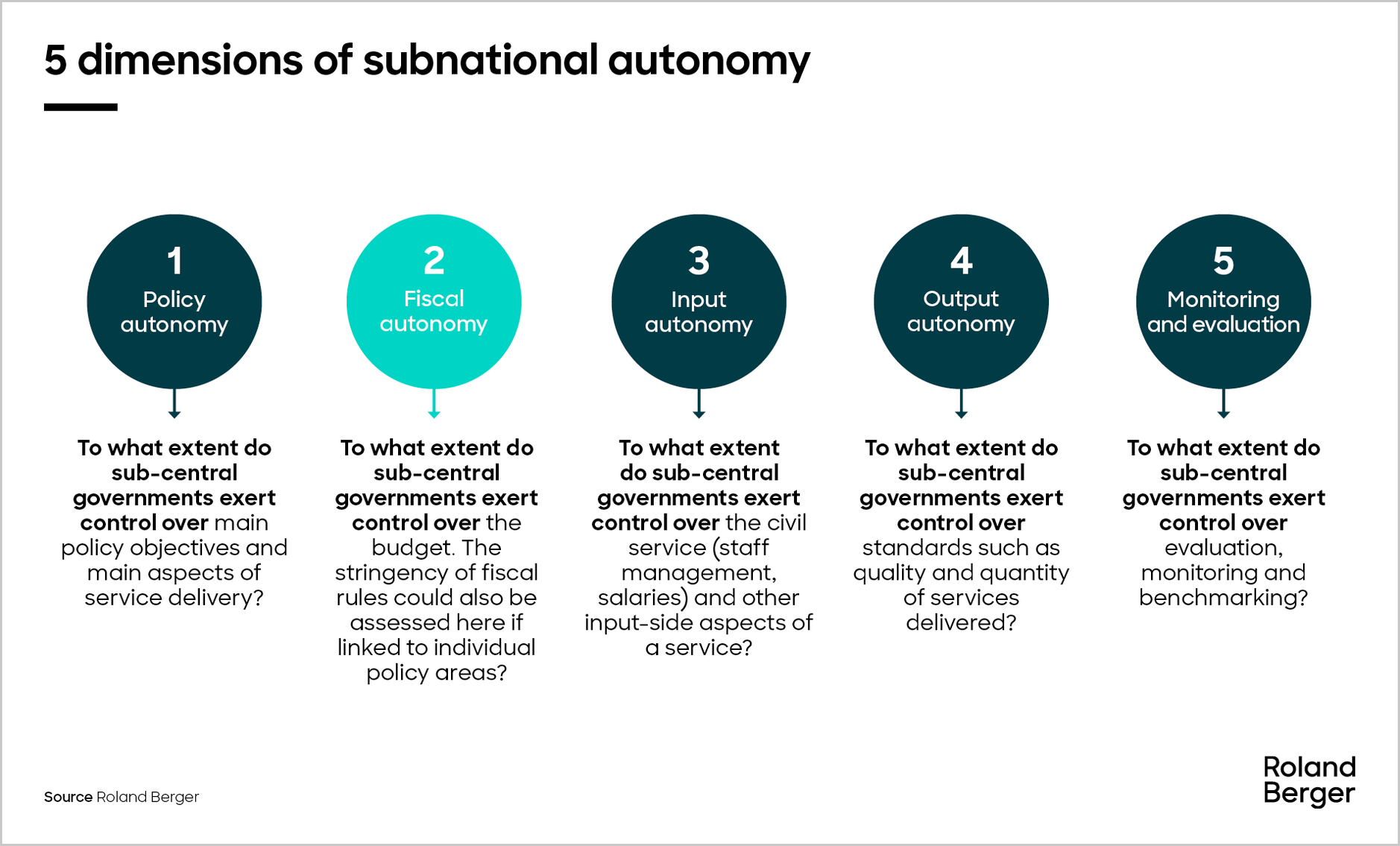
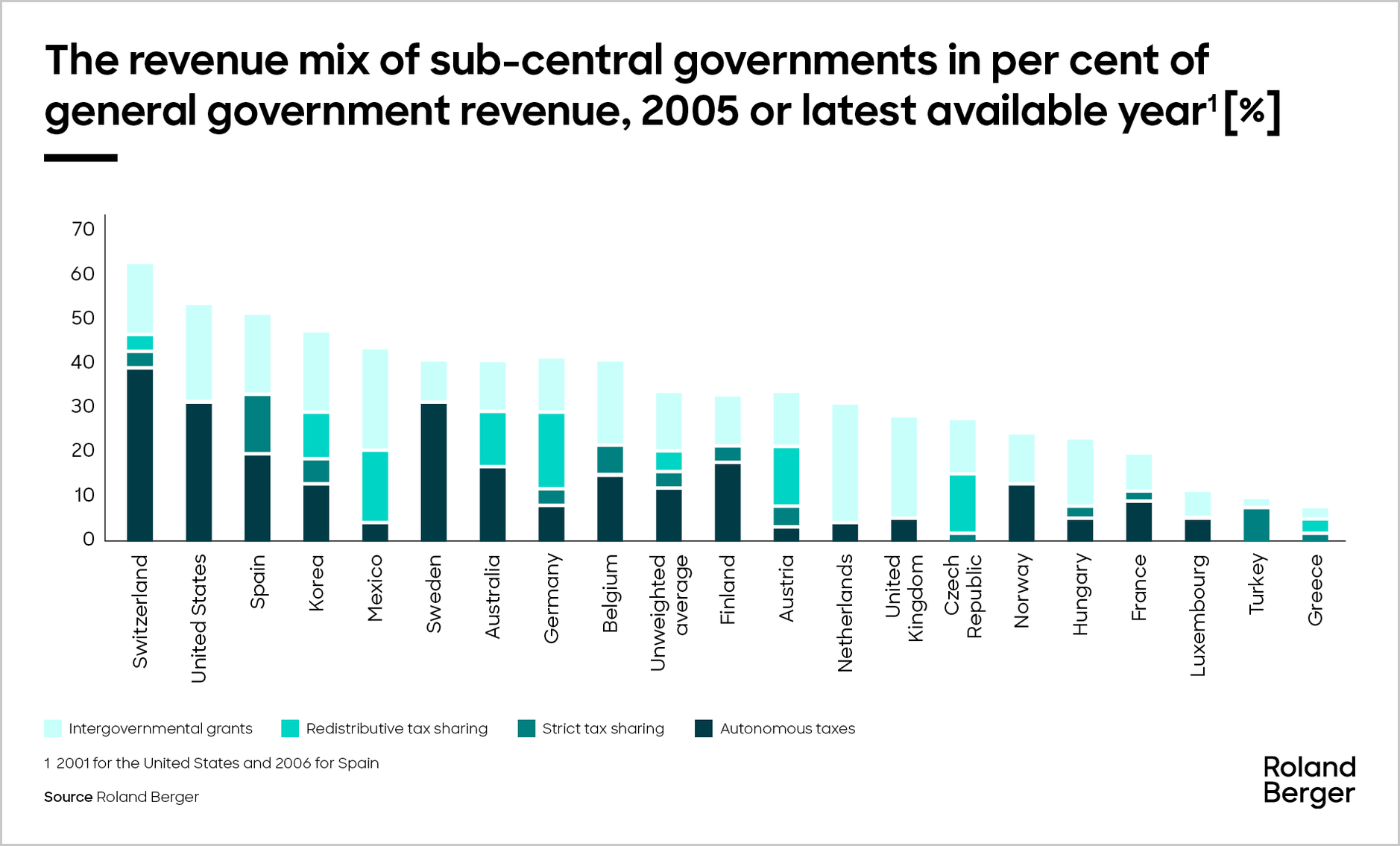
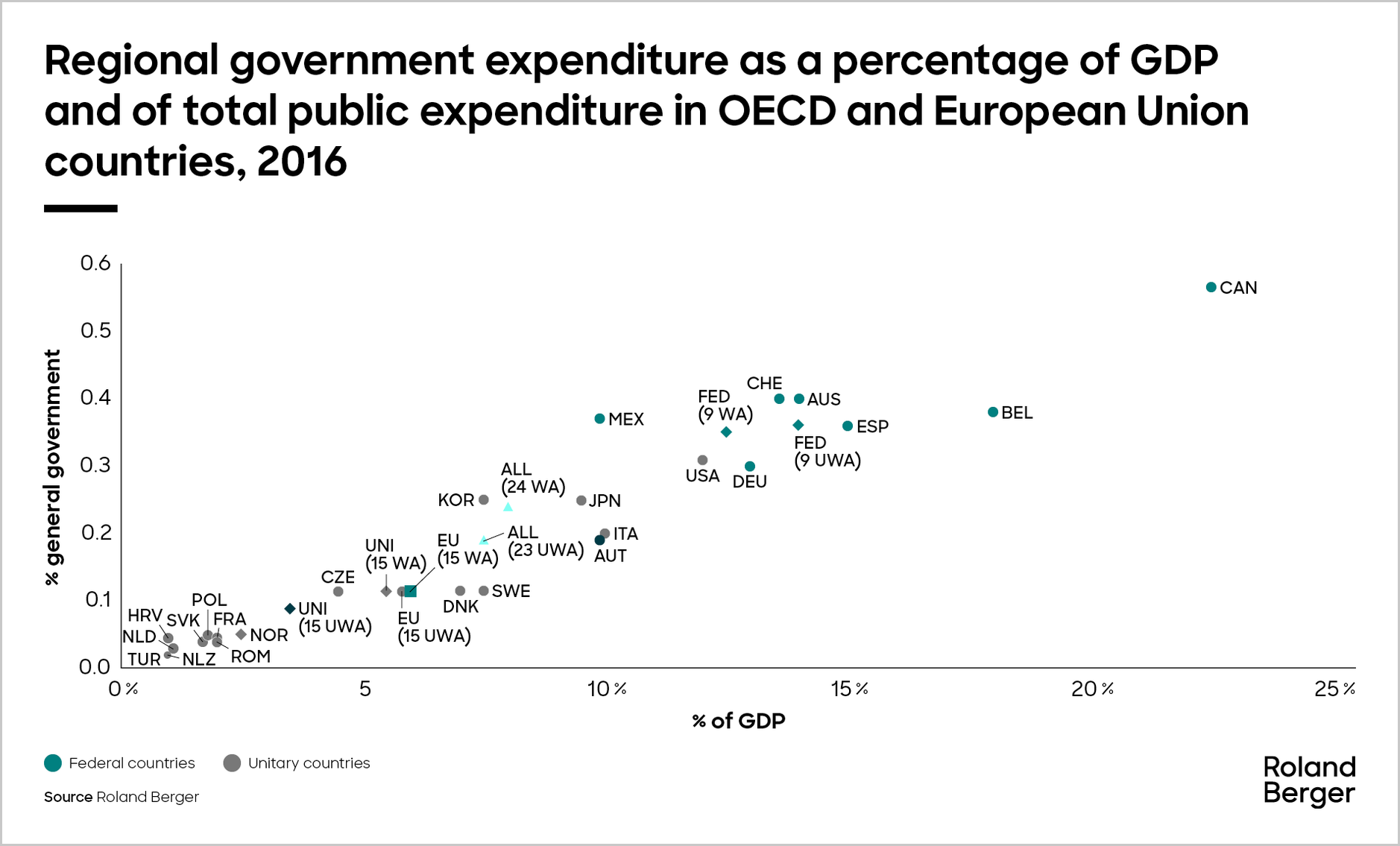
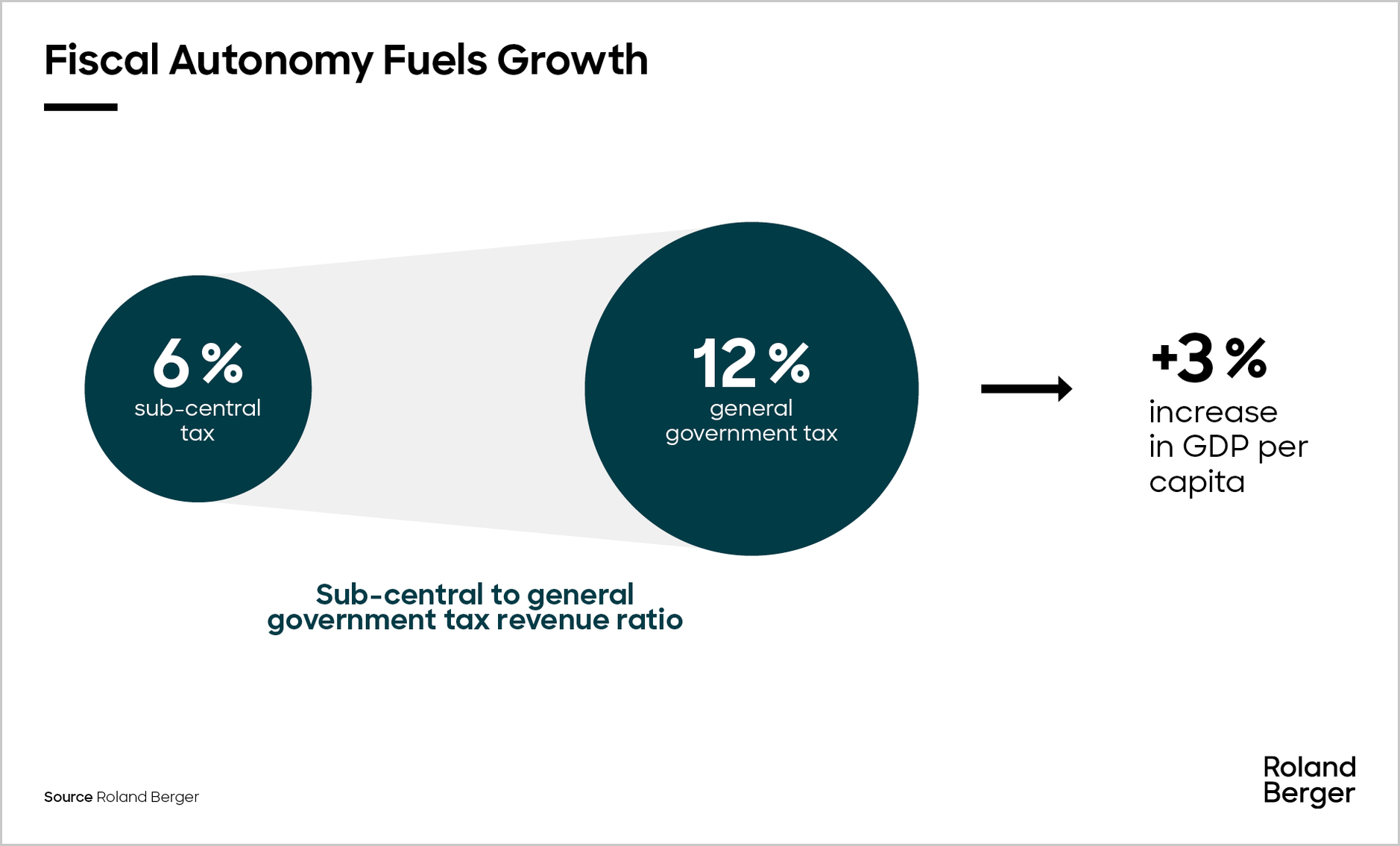
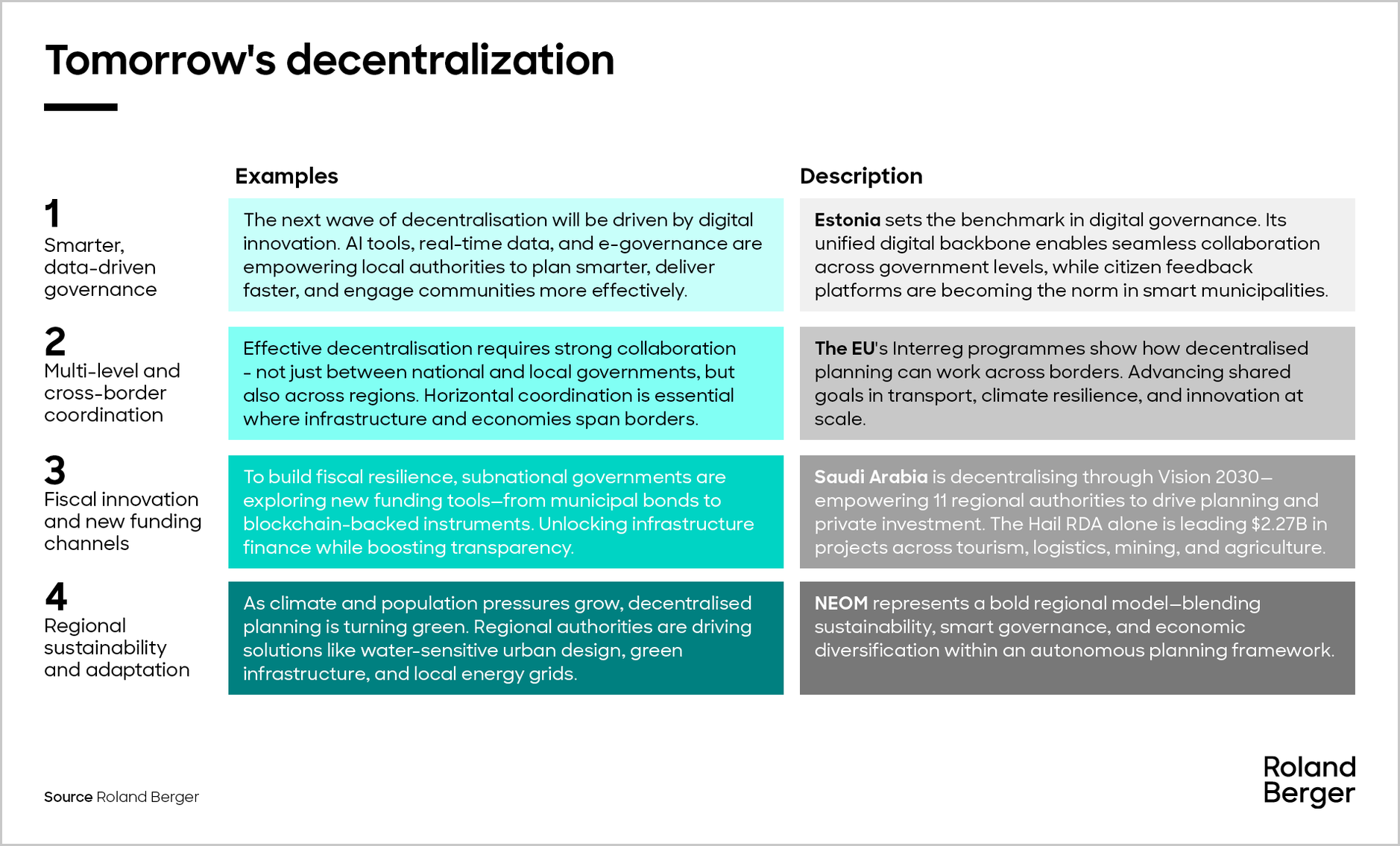
The way nations plan and deliver development is undergoing a profound transformation. As challenges become more complex and distinct across geographies, the top-down, centrally controlled approach – long the default in many countries – is losing relevance. In its place, decentralization is emerging as a powerful organizing principle, empowering regional and local authorities to play a greater role in shaping economic, social and spatial outcomes. This is not simply a redistribution of administrative tasks; rather, it signals a rebalancing of authority, accountability and resources across different levels of government. It reflects a deeper recognition that local actors are often best positioned to understand their communities’ needs, unlock local potential and act with agility. When designed well, decentralized planning enhances responsiveness, innovation and citizen trust. But when poorly aligned, it can fragment national policy, expose capability gaps and fuel inefficiencies. We explore two critical foundations of effective decentralization: governance structures and fiscal decentralization.



Combating urban decay
Explore the dynamics of urban vitality and the challenges of urban decay. This article delves into key factors like demographic shifts, real estate trends, and socio-economic changes, while offering actionable strategies for policymakers to foster regeneration, preserve cultural identity, and ensure sustainable urban development.