Structuring deals that work for all parties
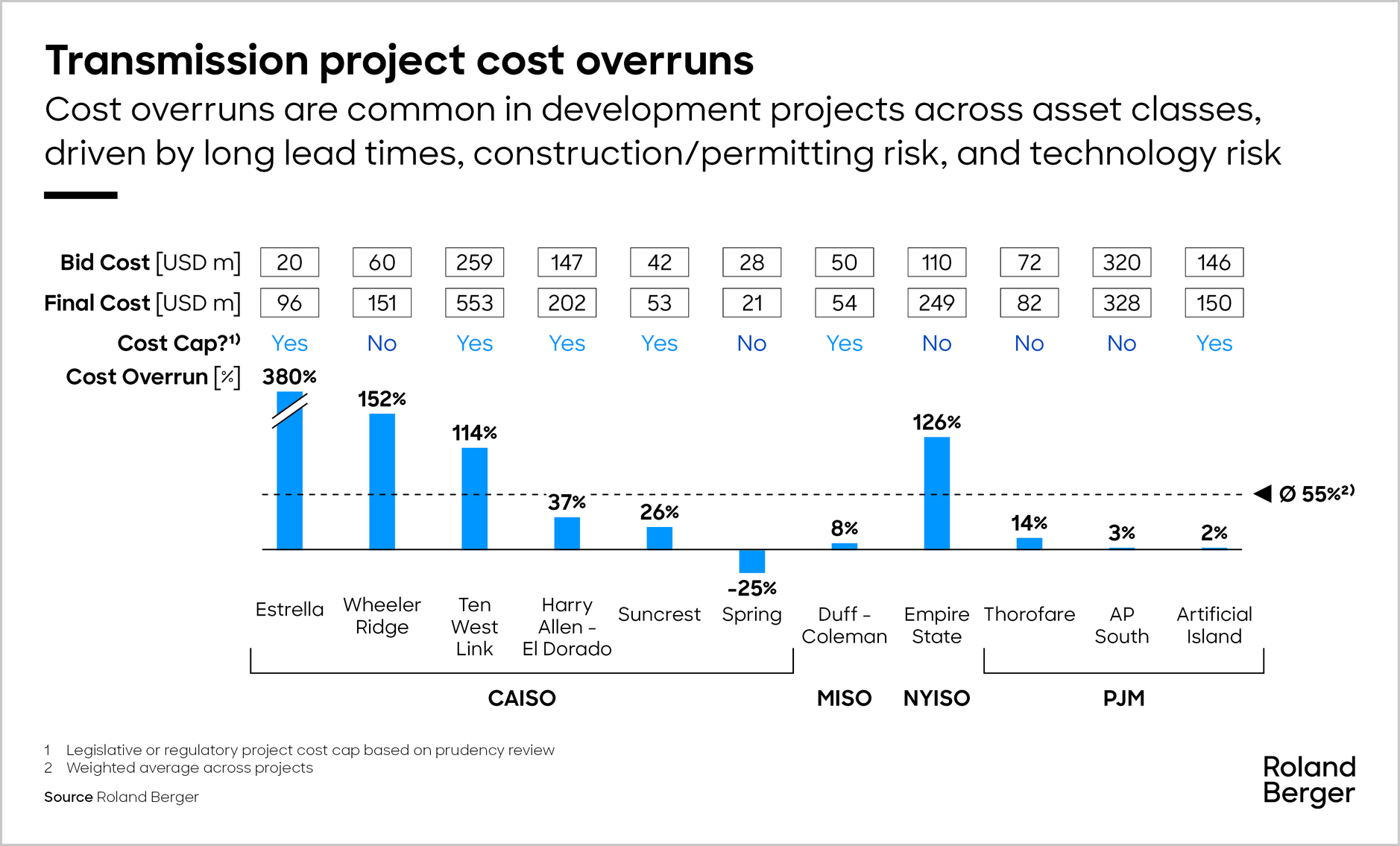
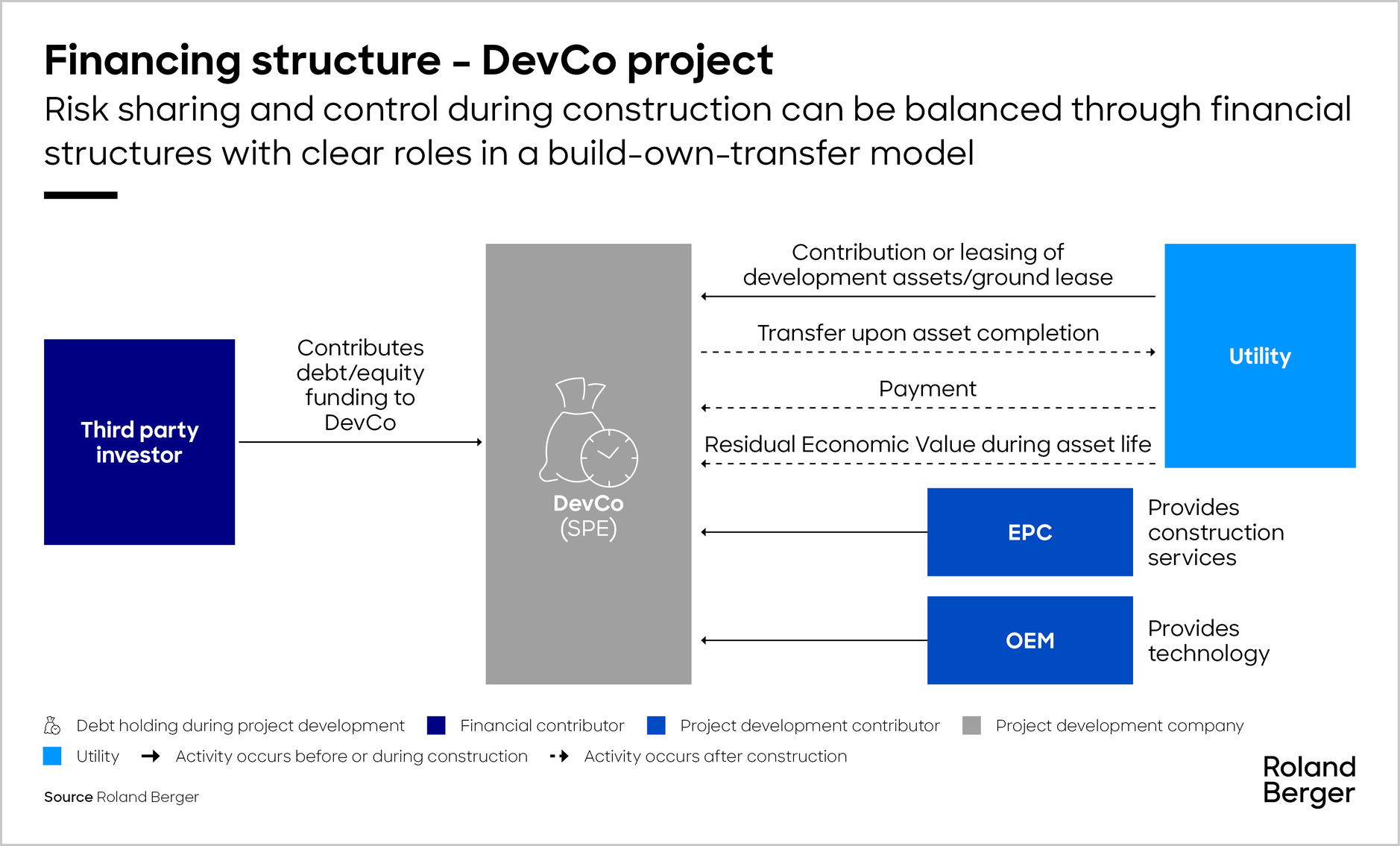
The financial mechanics of a viable BOT arrangement go well beyond the basic model. Retaining a portion of equity, for instance, can significantly expand a developer's capacity to absorb cost overruns without eroding returns, a critical consideration for FOAK nuclear projects where budget certainty is inherently limited. Precedent transactions in the utility sector demonstrate how third-party equity participation can enable more efficient capital deployment, with several major deals already establishing a benchmark for pricing and structure.
Legal terms and conditions are equally foundational. Across the full lifecycle of a BOT project — from site access and regulatory approvals through financing, construction, transfer, and post-operational economics — each clause shapes the project's bankability and commercial attractiveness. Getting these terms right is not a legal formality; it is a strategic imperative for any party seeking to enter the nuclear development market with confidence.
For
utilities
, developers, investors, and policymakers working at the frontier of the energy transition, the central question is no longer whether innovative financing structures are needed for nuclear development — it is which structures, partnerships, and terms will unlock capital at the required scale and speed. The full analysis offers frameworks and precedents to guide decision-makers navigating one of the most consequential infrastructure investment challenges of our time.