High costs depress margins and consumer sentiment
Barely has the retail sector recovered from the impact of the pandemic before new trouble emerges on the horizon: The rocketing inflation is squeezing both retailers' margins and customers' willingness to shop. And there is no sign of relief, because (procurement) costs are not going to fall in the foreseeable future. Except in food retail, it will be only market players who have strong pricing power that will be able to pass costs through to customers. The same applies to the alternative way to protect margins, namely by reducing costs: This is a bumpy road given the higher customer expectations around sustainable, ecological, and fair production and supply of products. If a retailer is unable to meet these requirements, they are guaranteed to be at a competitive disadvantage. And it is not only customers who are demanding compliance with ESG (environment, social, governance) criteria: The topic is also gaining importance among banks and investors and can lead to less favorable financing terms or high financing costs if not complied with or not implemented quickly enough.
These are not the only challenges. In addition to rising energy costs and the need to convert suppliers' vehicle fleets to electric mobility, the growing shortage of skilled workers is weighing on retailers' future performance. Added to this are the
global supply chain and logistics problems,
further exacerbated by the war in Ukraine and the periodic lockdowns in China.
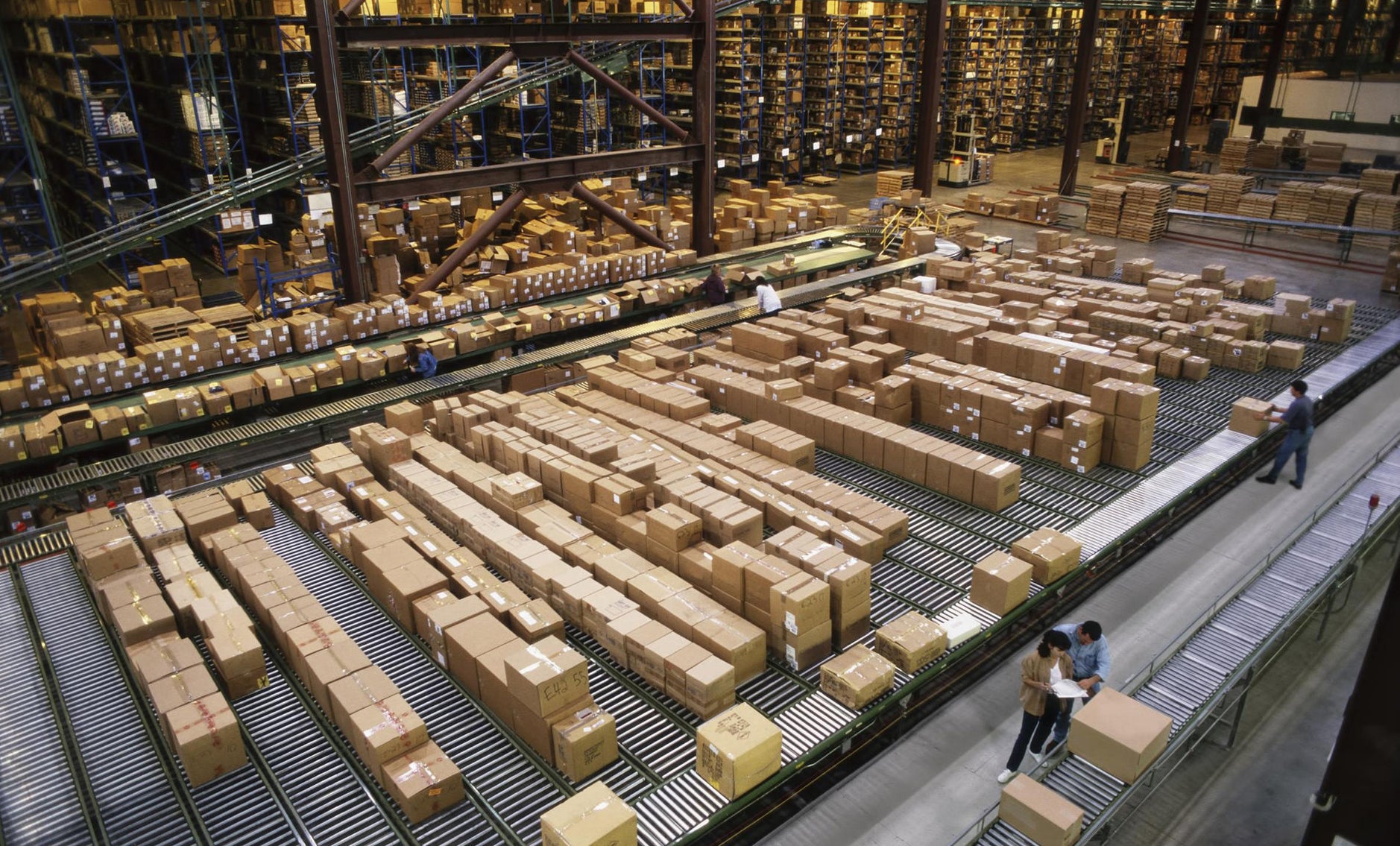
To make sure that their customers don't face empty shelves in-store, many retailers have filled their warehouses to the brim. Just-in-time has given way to just-in-case. Availability is the new watchword in times of great uncertainty. But inflated inventories also drive up costs.