Climate neutrality - #Progress
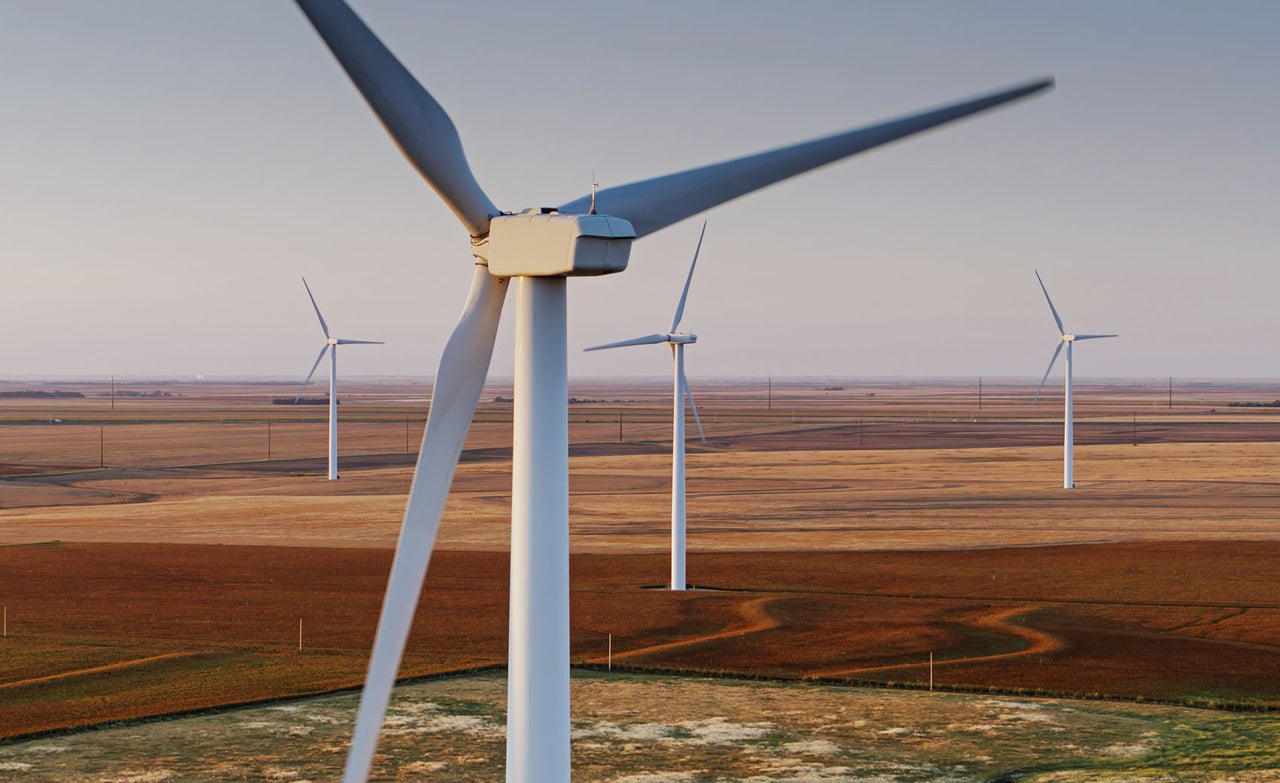
The goal of net zero CO2 is the topic du jour for automotive manufacturers and suppliers.
Climate protection
plans must go beyond the CO2 emissions of individual vehicles, though. They need to consider the entire life cycle – from production to recycling. This means concurrently an expansion of the focus from tailpipe emission during use to a comprehensive analysis in order to reduce the CO2 footprint along the entire global value chain.
Supply chains - #Perform
As numerous
supply shortages
due to the Covid-19 pandemic as well as prevented freighters have shown, the global supply chains in the
automotive industry
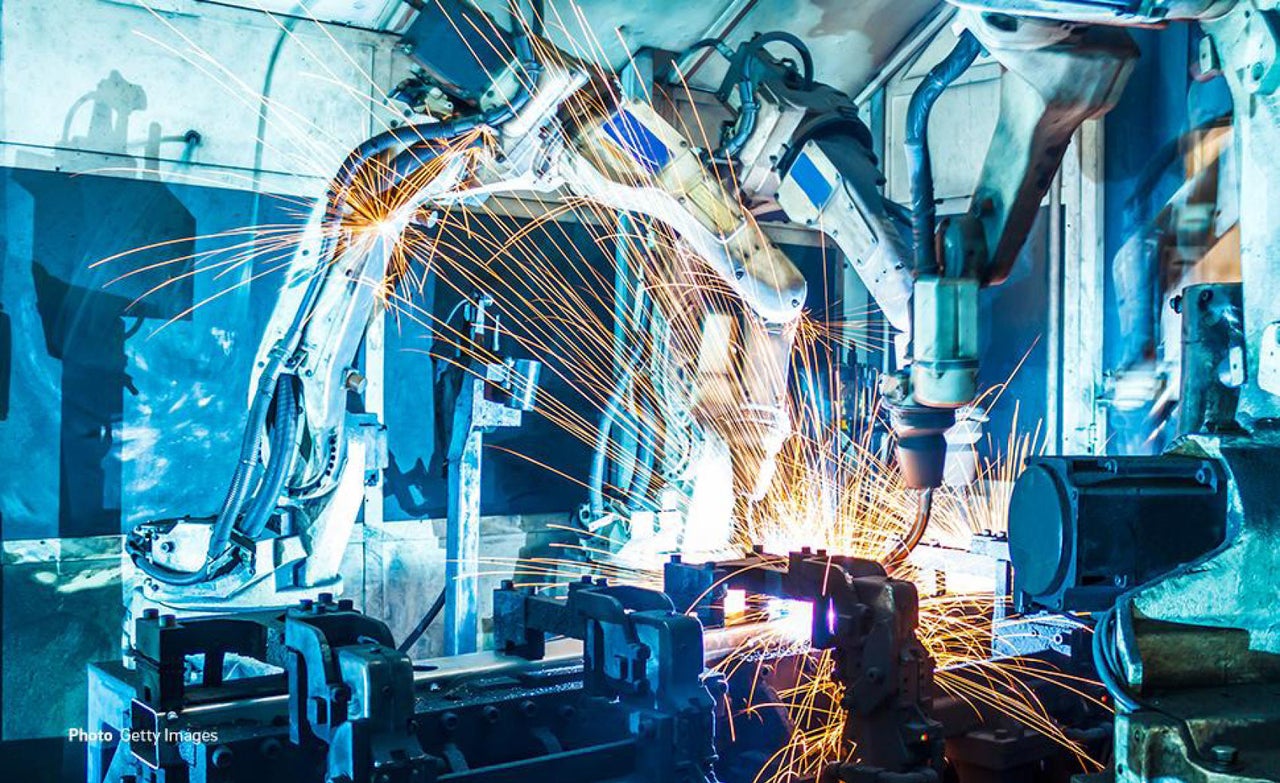
are susceptible to risk, too expensive, and logistically complex. OEMs and suppliers must therefore think more regionally and put more resilience into their supply structures. As a result, to the changing framework conditions and the transforming automotive industry, an adaption of the
global production
and supply structures are required. Likewise, the value chains and investments must be re-evaluated.
Software - #Perform
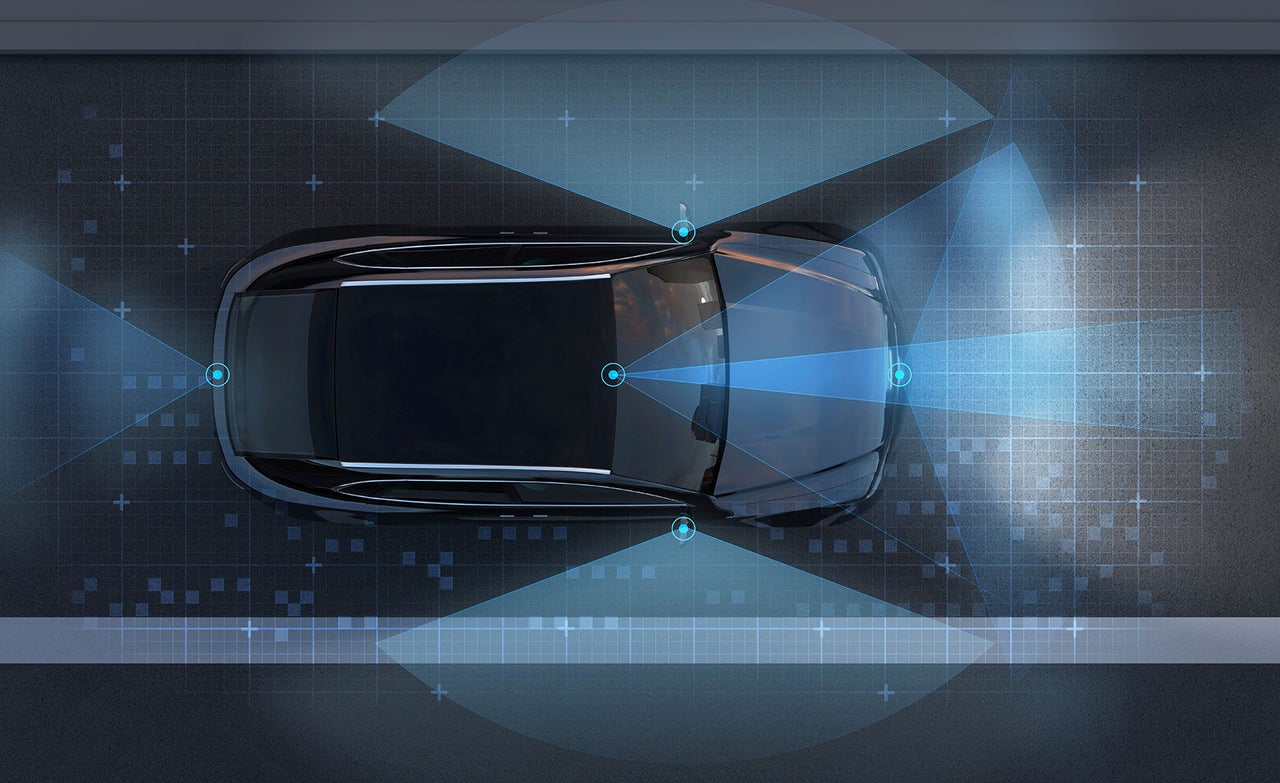
Cars are becoming
computers on wheels
and software development within the conventional vehicle domains is no longer suitable. Companies need to transform their business into a software factory on the technical side and an explicit make-or-partner-or-buy strategy on the business and conceptual side. As the hardware will become increasingly similar, the software will be the deciding factor for differentiation. Besides the aspect of differentiation, criteria such as cost-effectiveness, supplier landscape and capabilities must be evaluated.
Battery manufacturing - #Perform
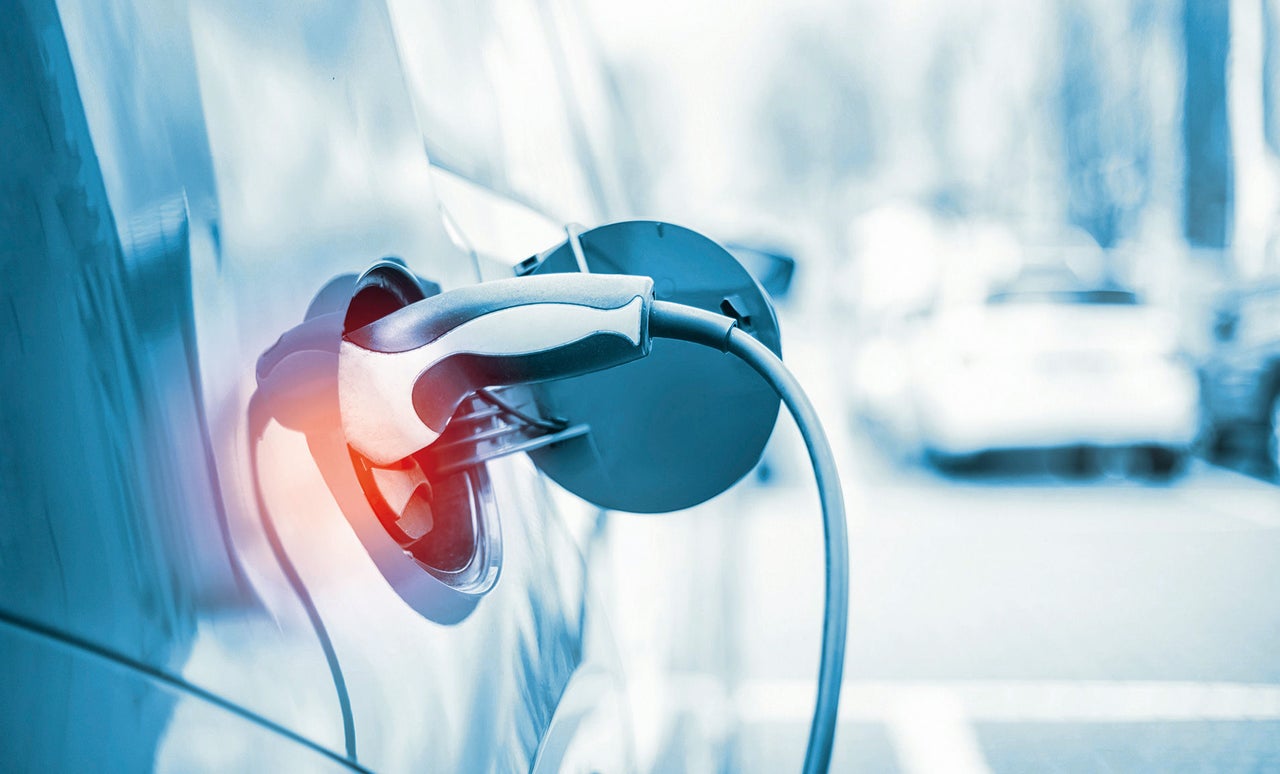
Electric mobility
is booming and the need for battery capacity is rapidly increasing. In 2013 it will be more than seven times higher than today, whereby the share of BEVs is expected to be 50 percent in Europe, but the supply of
battery materials
is not secured for the future. Therefore, Companies must handle the risks in the supply chain in order to avoid shortages such as in the supply of semiconductors. Furthermore, the overall costs have to be re-evaluated as the costs for the raw materials are rising.
Interview with Mate Rimac - #Position
In this interview between Wolfgang Bernhart and Mate Rimac, founder and CEO of Rimac Automobili, they talk about the success story of Rimac Automobili, including the rapid development from being a garage business, over building electric supercars, to entering a joint venture with Porsche to become the majority shareholder of Bugatti-Rimac. In addition, Mate Rimac also discusses if small startups are really more successful than established OEMs and how his company wants to expand in the upcoming years.