What is your vision of Advanced Air Mobility (AAM) and how will it be implemented?
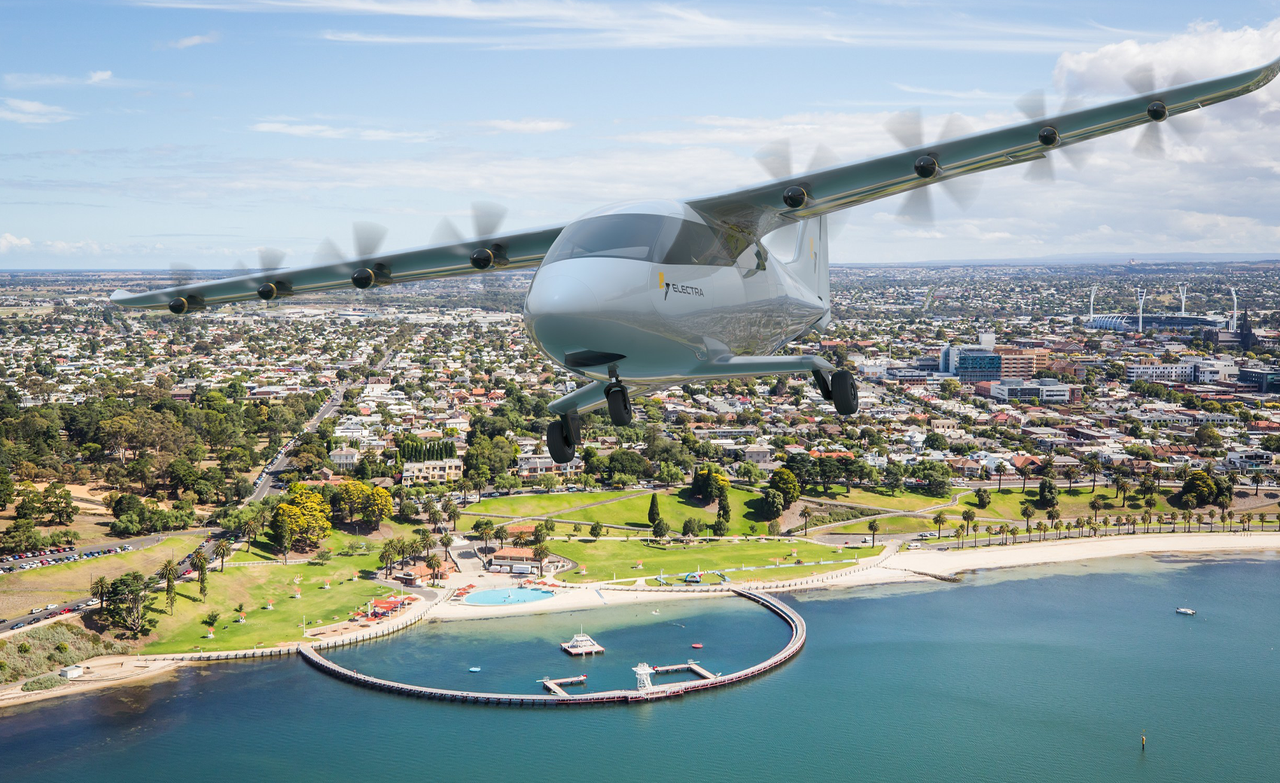
Corvin Huber: We define AAM as the shared use of lower airspace by air vehicles (AVs) capable of vertical take-off and landing (VTOL) or short-distance take-off and landing (STOL; jointly V/STOL). These vehicles are largely equipped with some form of sustainable propulsion. It is anticipated that these AVs will operate in larger numbers within a given volume of airspace compared to legacy aviation operations.
We believe we are on the cusp of the next revolution in aviation. This revolution will happen in increments, which will be defined more by the development of the necessary regulatory framework, the options for market launch and the technological maturity of individual vehicle concepts than by actual sustained market pressure.
Metropolitan areas are already home to more than half of the world's population. In the 21st century, flying will finally be an experience that can be shared by all city dwellers. The needs of these areas are what will drive the long-term demand and determine what air mobility will ultimately look like in the long run.
In the first few years, the form of transportation that will eventually evolve to offer urban mobility will consist of specialized use cases, serving early viable business cases, such as supplying islands, providing emergency relief, facilitating ship-to-shore operations and enabling a smattering of early, dedicated and largely experimental point-to-point operations by passenger vehicles. These will prove the economic and technological viability of particular vehicle concepts and jointly inform the design of ever more sophisticated and ultimately urban applications.