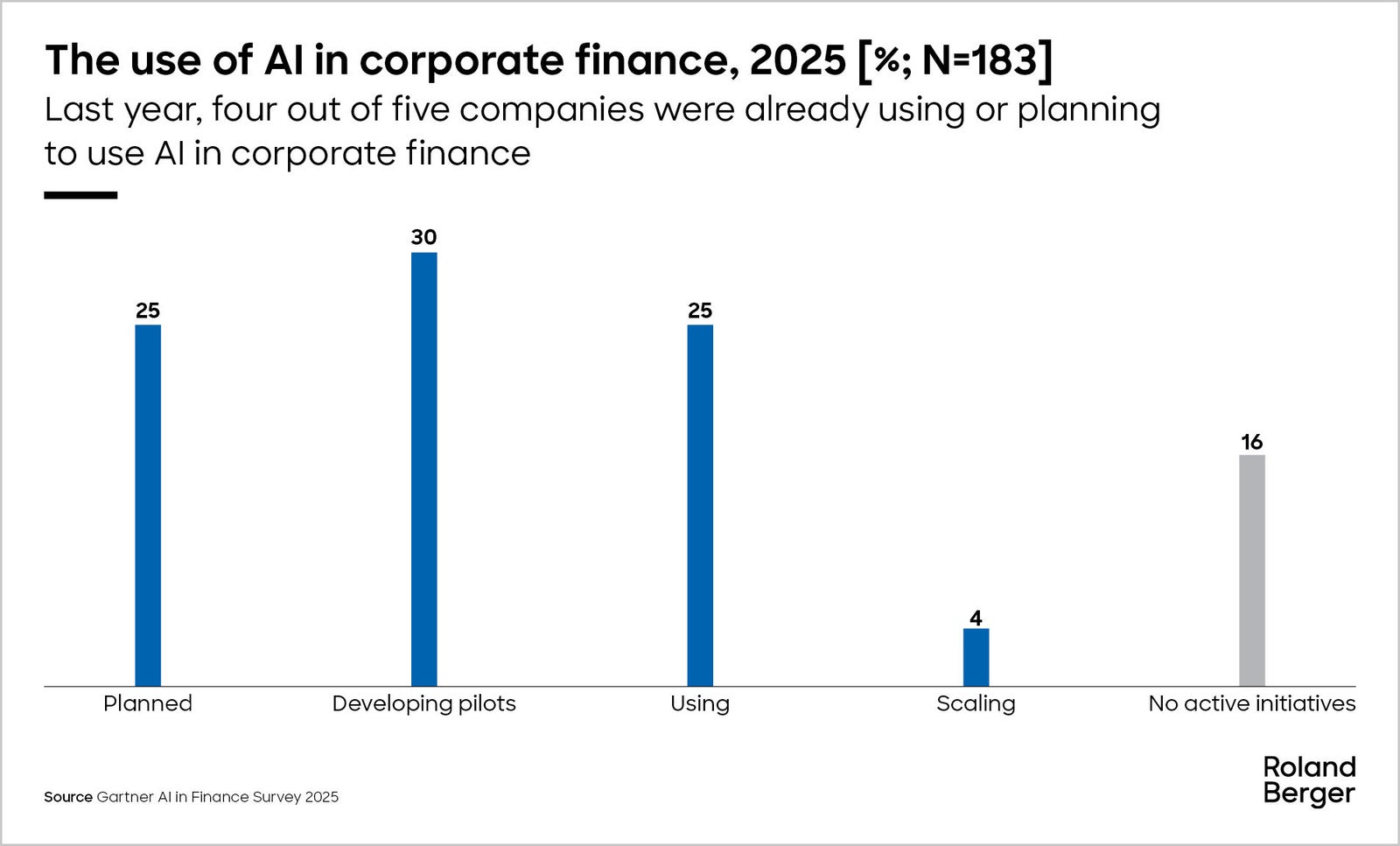
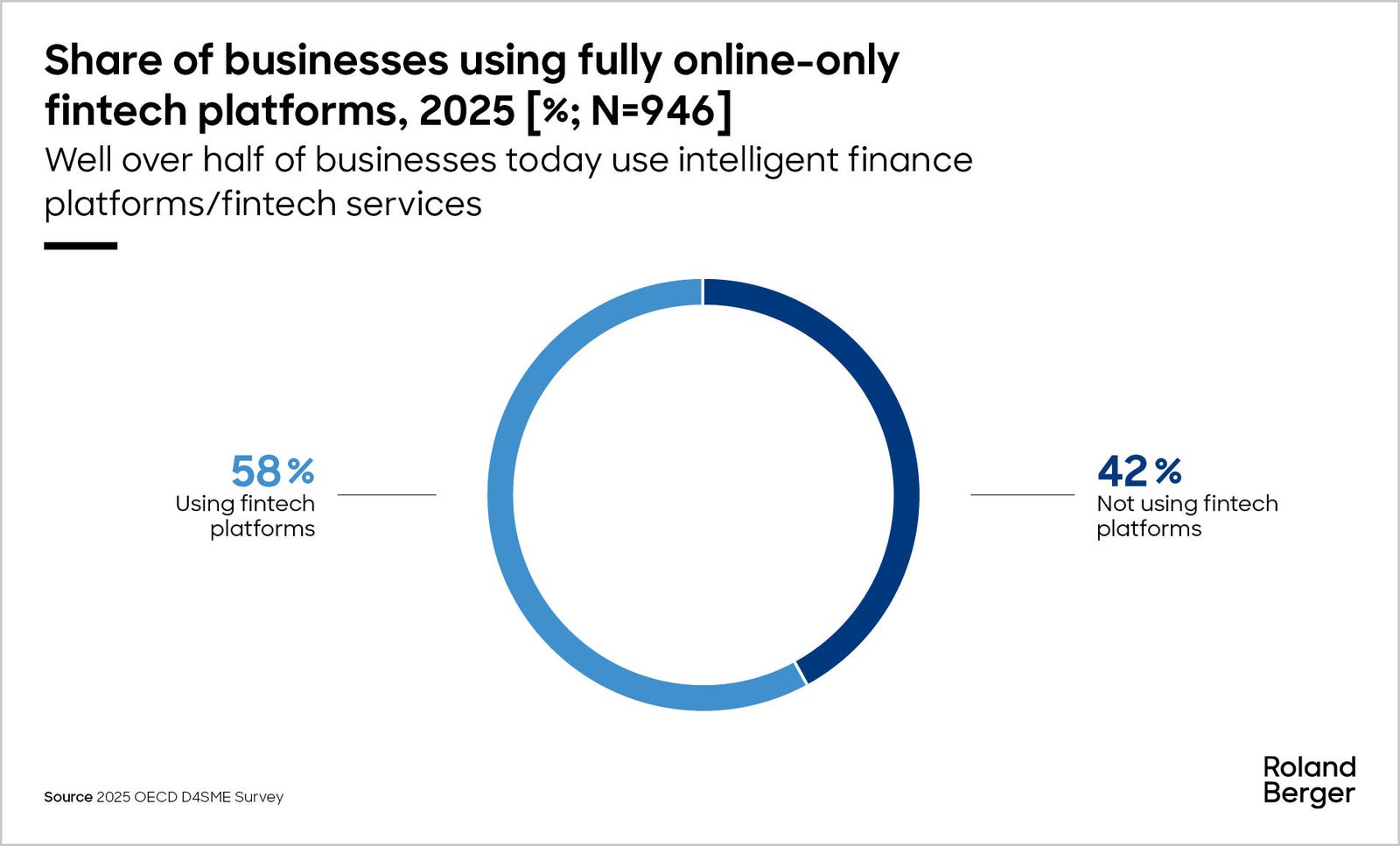
The new study also discusses how corporate financial passports can eliminate wasteful duplication as companies channel applications for credit, for example, through a single central platform. The potential efficiency gains compared to today's laborious and repeated onboarding processes are substantial.
At their most advanced level, intelligent finance platforms enable financing solutions to be embedded directly in
ERP,
procurement and supply chain systems. This, the study notes, will see corporate finance units shift from a focus on transactional execution to a new role in strategic governance.
Real benefits, real risks – and a need for human oversight
The benefits across all three technologies are significant and are described in considerable detail. Yet Roland Berger's analysis makes equally clear that each of these technologies introduces
serious risks
that must be actively managed. Hallucinating AI systems and algorithmic bias, for example, can undermine accuracy and erode trust. Blockchain infrastructures require new forms of governance, while intelligent finance platforms give rise to new vulnerabilities and dependencies – not least in relation to cybersecurity and interoperability. In consequence, the study emphasizes the continuing need for humans to act as ethical guardians wherever digital workflows are automated – and even as circuit breakers where necessary.
The report concludes with five recommendations for strategic and practical actions that will help companies position themselves to master the far-reaching transformation that is already underway.
The full report explores each of the nine hypotheses in depth, analyzing where adoption stands today and what senior finance leaders should prioritize now.