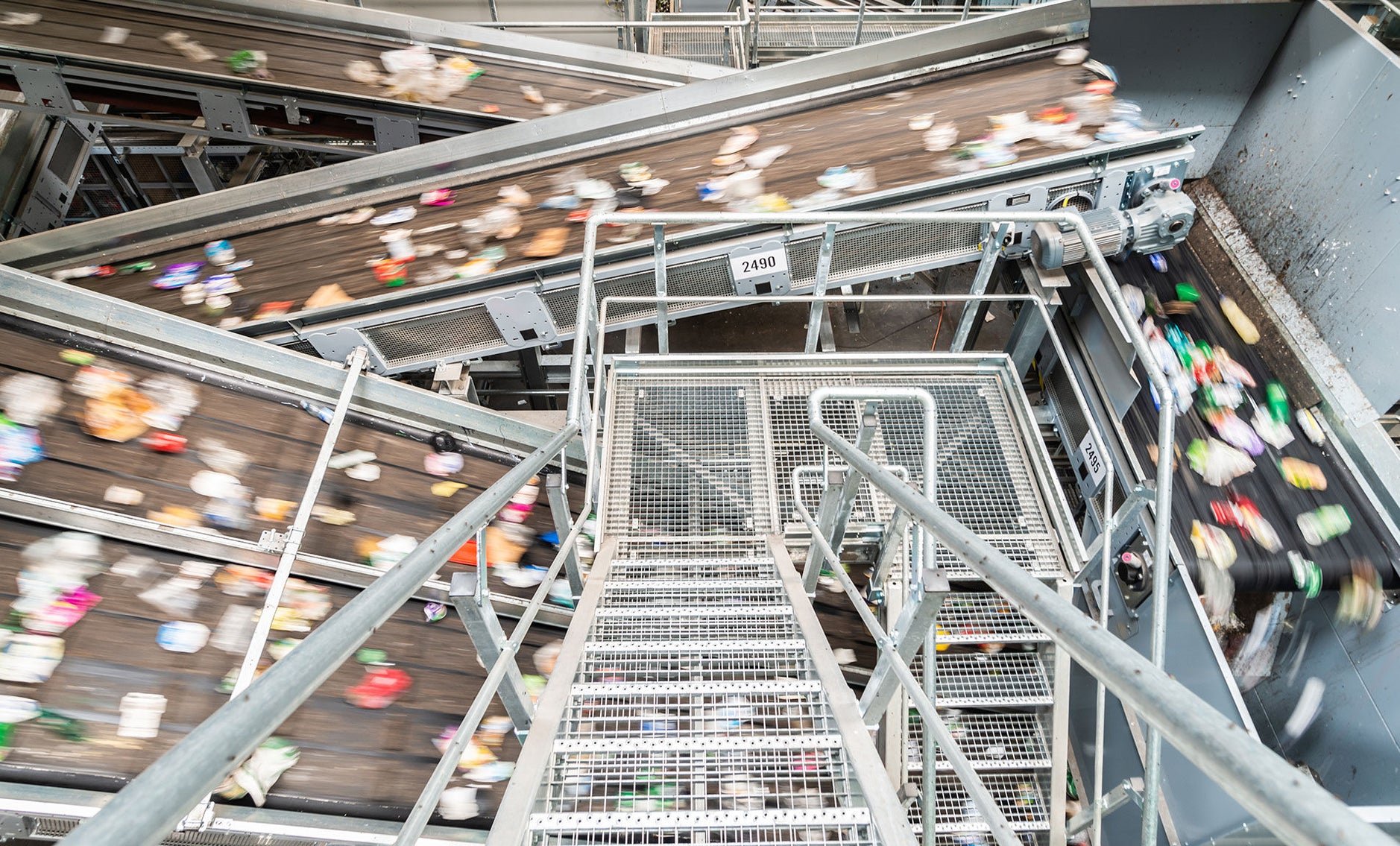
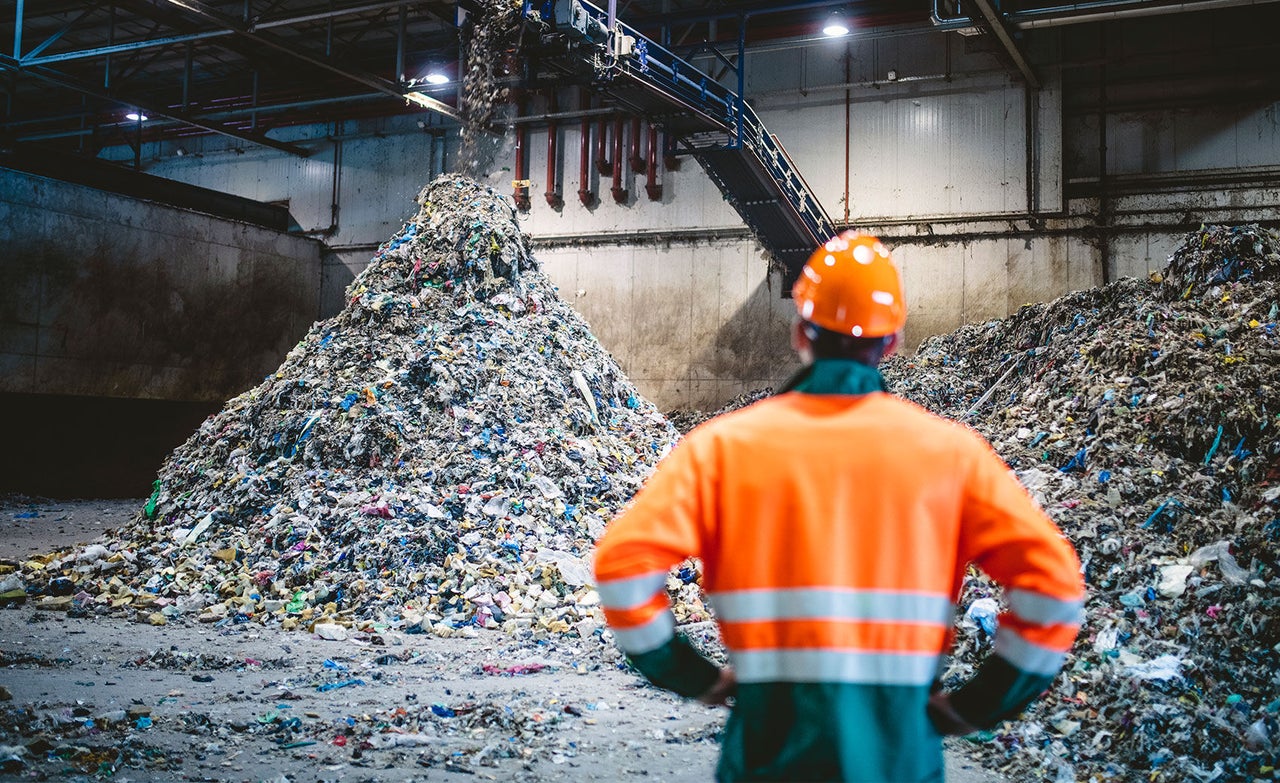
So, what’s holding back the EU’s recycling rate, and those of other regions? Key challenges include consumer discipline, effective collection & return schemes, or sorting quality which results in major losses over the recycling process.
Time to seize the opportunities
In addition to stricter regulations, new technologies will now help to overcome these challenges. New sorting systems, such as object recognition or digital watermarks, can provide substantial improvements in yield and quality of recyclates, for example. Further down the chain, advanced mechanical and chemical recycling technologies ensure the required capacities to cover the increased demand and enable the production of higher quality recyclates. These new technologies are discussed in more detail in the report.
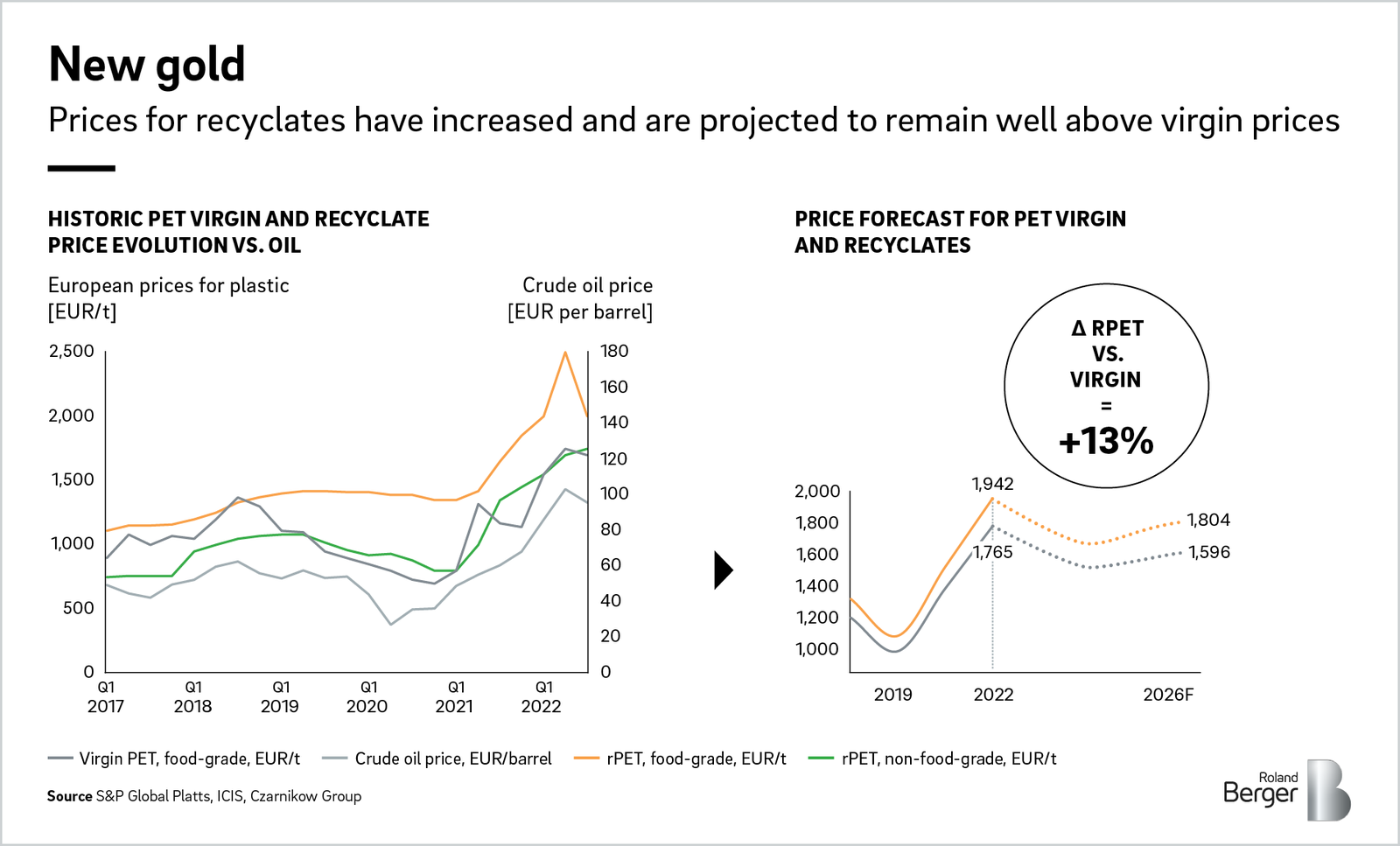
However, with EU targets driving up recycling rates and new technologies yet to be introduced, capacity is struggling to keep pace. To meet EU recycling targets by 2030 - for example, 55% for plastic packaging - while plastic waste is expected to continue to grow, existing recycling volumes will need to increase by a factor of 2.5. Combined with the margin premium that will exist on feedstock considered sustainable, this should significantly increase the market value of plastic recyclates.