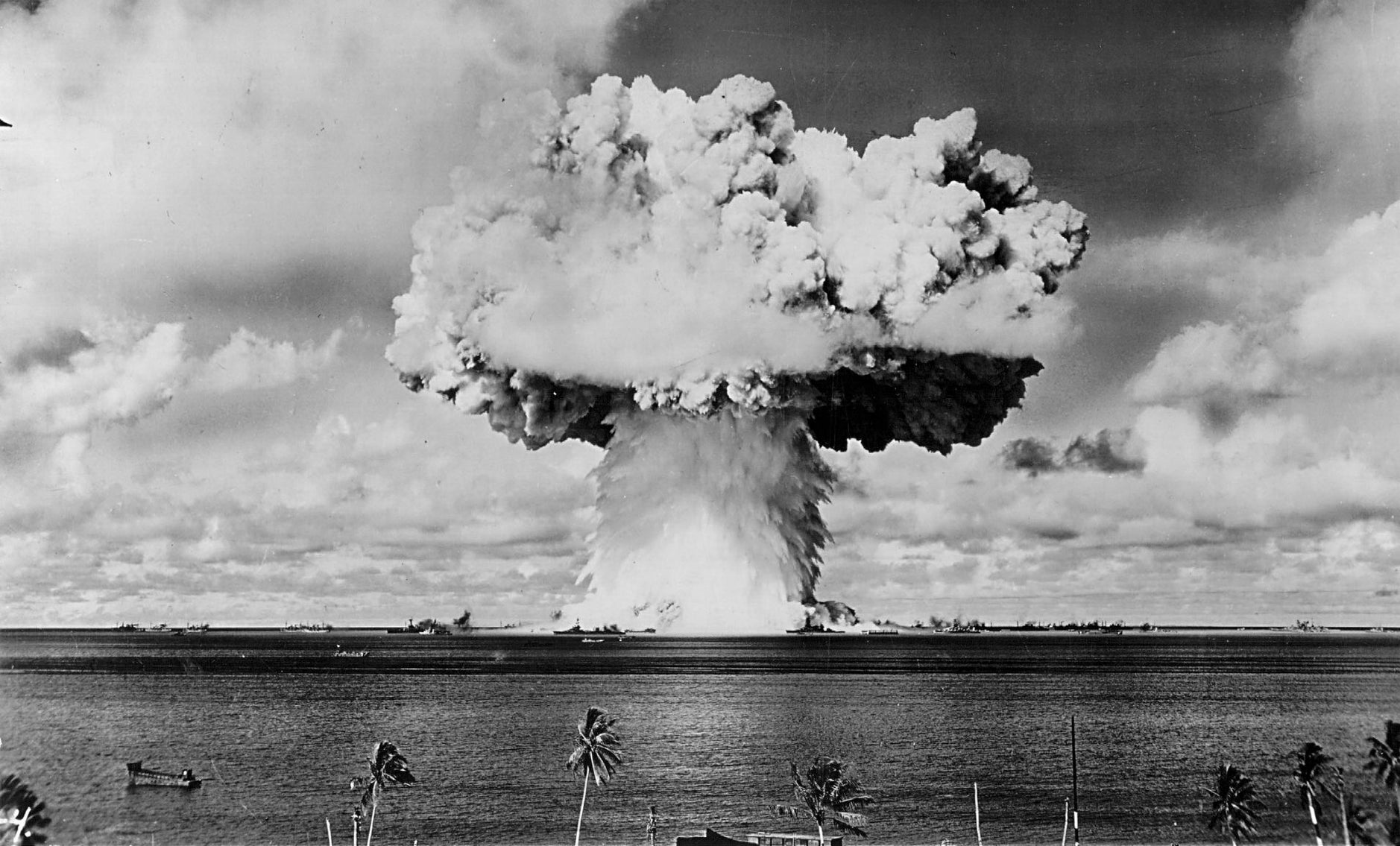
These include Mustafa Suleyman, one of the co-founders of DeepMind, who recently published a book, The Coming Wave, calling for a greater discussion around the management of the development of AI. He is also one of scores of leading tech figures who have signed a statement from the Center for AI Safety that demands that the mitigation of "the risk of extinction" from AI be made a global priority alongside "other societal risks" such as pandemics and nuclear war. Another signatory is Yoshua Bengio, a so-called "godfather of AI" who in 2023 told the BBC he felt lost when contemplating the speed and scale of AI development, saying that it was "not the first time that scientists are going through these emotions. Think about the Second World War and the atom bomb. There are a lot of analogies there."
For others, more philosophical issues are at stake. Geoffrey Hinton told the BBC that alongside any concerns about the possible malignant use of AI, he was focused on the "existential risk of when these things get more intelligent than us." A key point is that it is "different intelligence." Whereas our human intelligence is a biological system, AI is a digital one: Machines can learn separately but share knowledge instantly at massive scale.
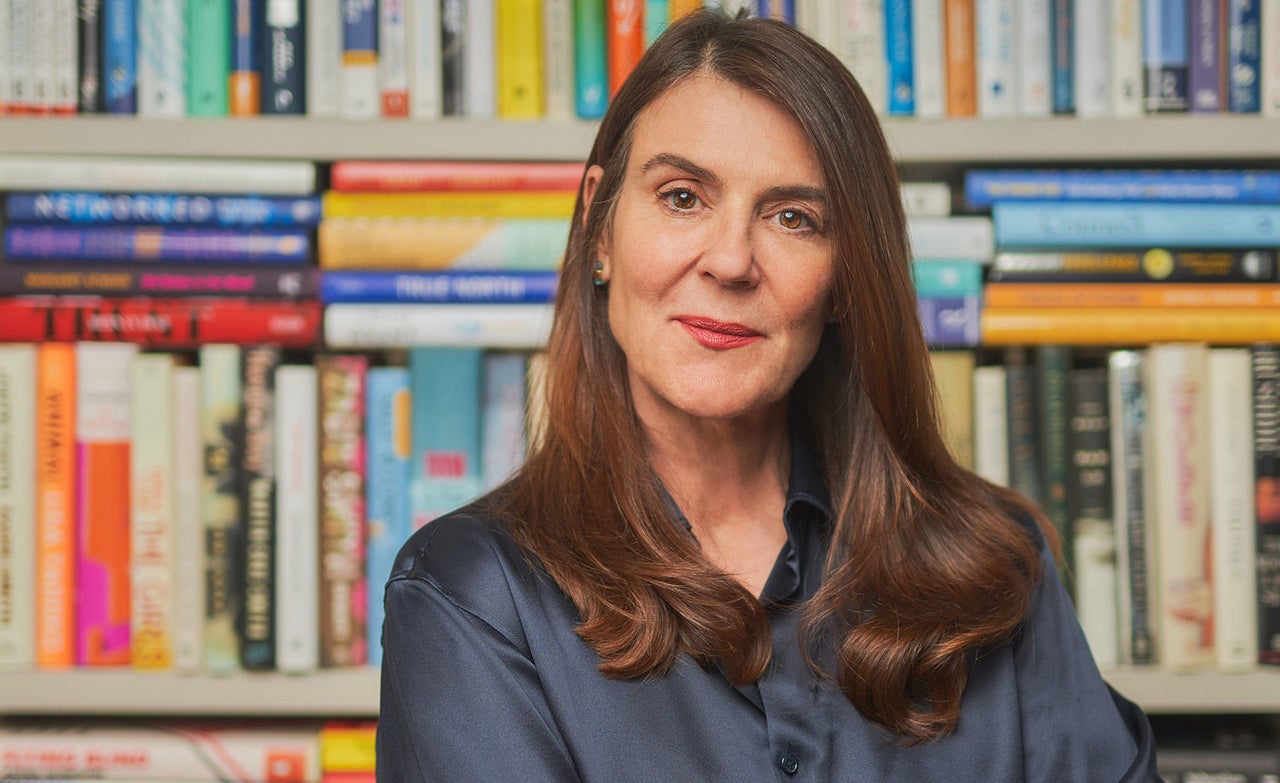
The range of proposed models of control is multiplying seemingly almost as fast as the machine learning models themselves. Some – such as Suleyman and Eric Schmidt, former CEO of Google – call for the establishment of an international body similar to the Intergovernmental Panel on Climate Change (IPCC) to provide policymakers with a monitoring and warning function as well as shaping protocols and norms for handling AI. Others look to bodies such as the International Civil Aviation Organization. Olivia O'Sullivan of Chatham House says that it's "worth thinking about something like nuclear power." Like AI that technology brings "really significant" capability – that can be used for both weapons and beneficial, civilian ends. "We have a global governance system in nuclear power," notes O'Sullivan. Something similar could be established for AI.