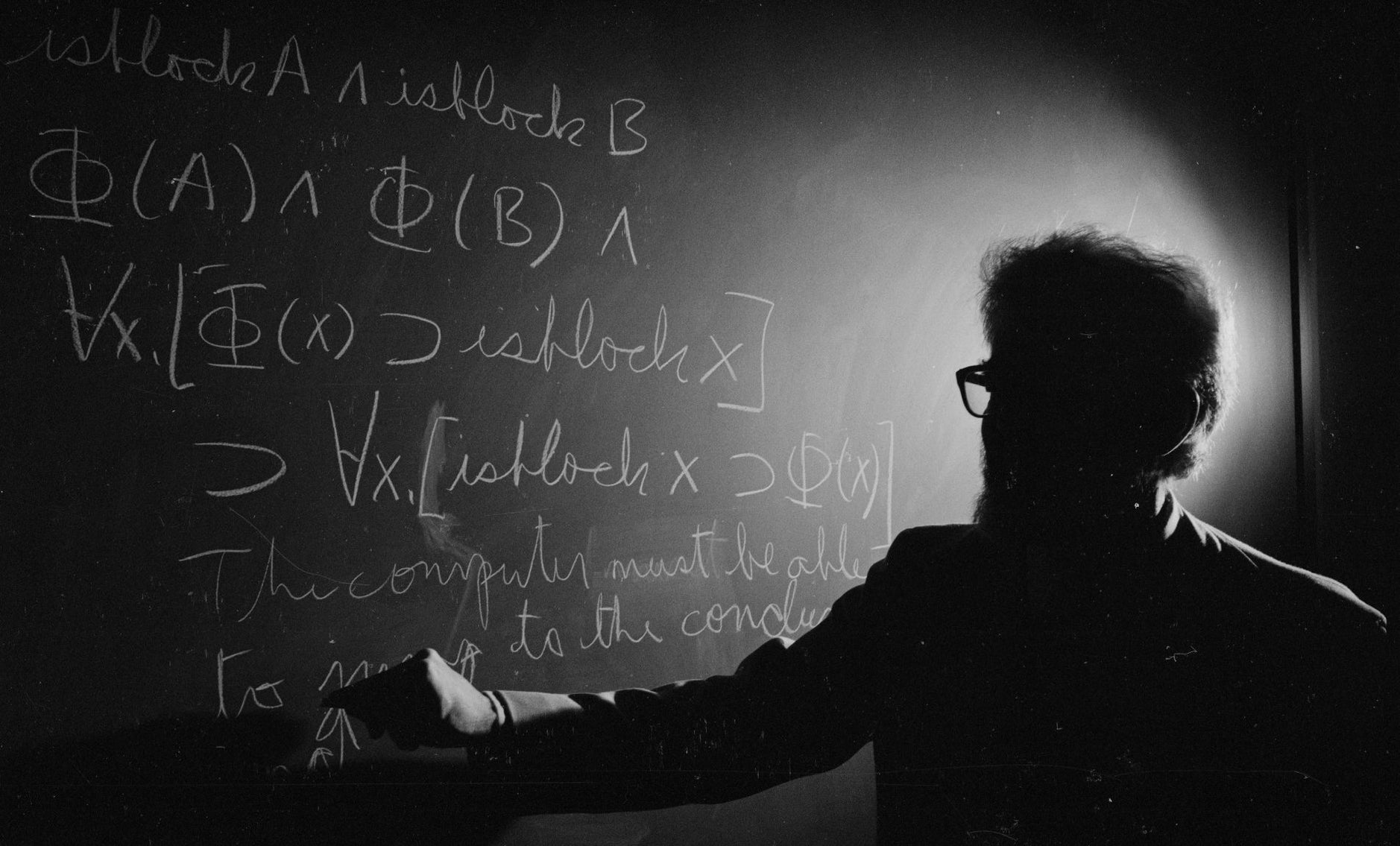
Six decades after the two labs began their research, we are now on the cusp of realizing McCarthy's vision as well. On the streets of San Francisco, cars without human drivers are a routine sight and Microsoft researchers recently published a paper claiming that in the most powerful AI systems, known as large language models or chatbots, they are seeing "sparks of artificial general intelligence" – machines with the reasoning powers of the human mind.
To be sure, AI researchers' recent success has led to an acrimonious debate over whether Silicon Valley has become overwrought and once more caught up in its own hype. Indeed, there are some indications that the AI revolution may be arriving more slowly than advocates claim. For example, no one has figured out how to make chatbots less predisposed to what are called "hallucinations" – one way to describe their disturbing tendency to just make facts up from thin air.
Even worse, some critics charge that perhaps more than anything, the latest set of advances in chatbots has unleashed a new tendency to anthropomorphize human-machine interactions – that very real human tendency to see ourselves in inanimate objects, ranging from pet rocks to robots to software programs. In an effort to place the advances in a more restricted context, University of Washington linguist Emily Bender coined the phrase "stochastic parrots," suggesting that superhuman capabilities are more illusory than real.