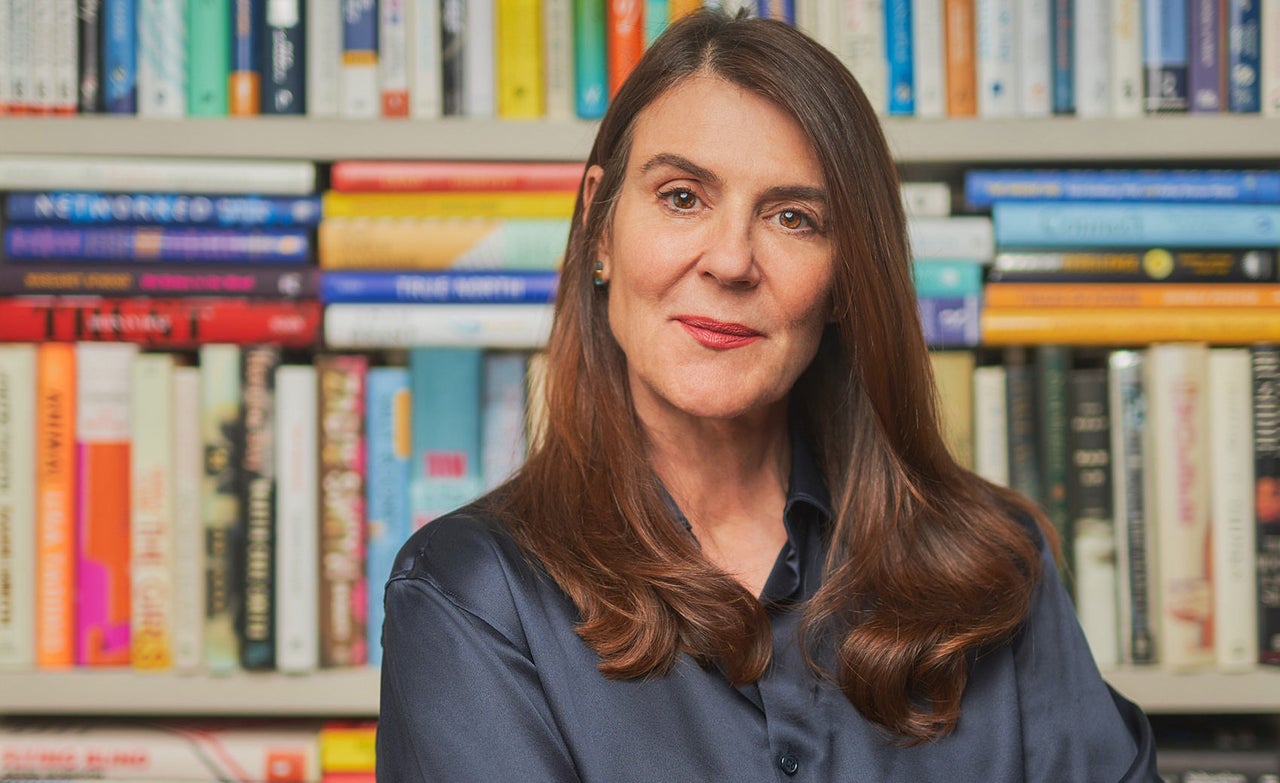
When it comes to the workplace, firms often fall into the trap of assuming older workers are less productive, innovative or capable of change, despite a lack of empirical evidence. Younger managers, meanwhile, can struggle to manage older subordinates, in part because they still think they should know more about the work, regardless of their experience. Older workers also find it harder to get jobs and jobseekers aged 50 and over can take twice as long to find new employment compared with younger workers. To address this, companies must make longevity a greater priority. "Right now, it's tacked on to the DEI agenda – that doesn't acknowledge the fact that this is going to change markets, needs and talent availability," says Avivah Wittenberg-Cox. "It's a transversal, cross-disciplinary issue, but it's struggling to enter the mainstream conversation. It's not on the leadership radar yet."
As we enter a new demographic era, the traditional three-stage approach to life – learn, work, retire – needs a rethink. Stanford's Longevity Center predicts 100-year life expectancy will be common for those born today. As a result, flexibility, lifelong learning, and more transitions between jobs will become the norm – an approach that suits workers of all ages, even those beyond the traditional retirement age, who may continue to work, whether for financial reasons or simply for enjoyment and a desire to contribute.
Some companies are already beginning to take steps in this direction. Employees participating in Unilever's U-Work employment model are paid a monthly retainer for committing to a certain number of weeks a year to work on short-term projects. Crucially, they also receive benefits, pension contributions, paid leave and stipends for further education. They can also choose to work on further projects for additional compensation. Unilever believes the approach will help it retain talent, particularly parents and older workers, and increase the diversity of its workforce.