
How creative blockchain pioneers are adapting the new technology to work way beyond the world of finance.
Just imagine that your electric car needs charging. Today, armed with your smartphone, you can find the nearest charging station. But suppose your car simply charged itself from inductive charge poles under the road, as it stands at a traffic light, the cost automatically debited from your account at the end of the day, without you having to think about it? By making charging easier and removing the anxiety of running out, it would help boost the uptake of sustainable transport.
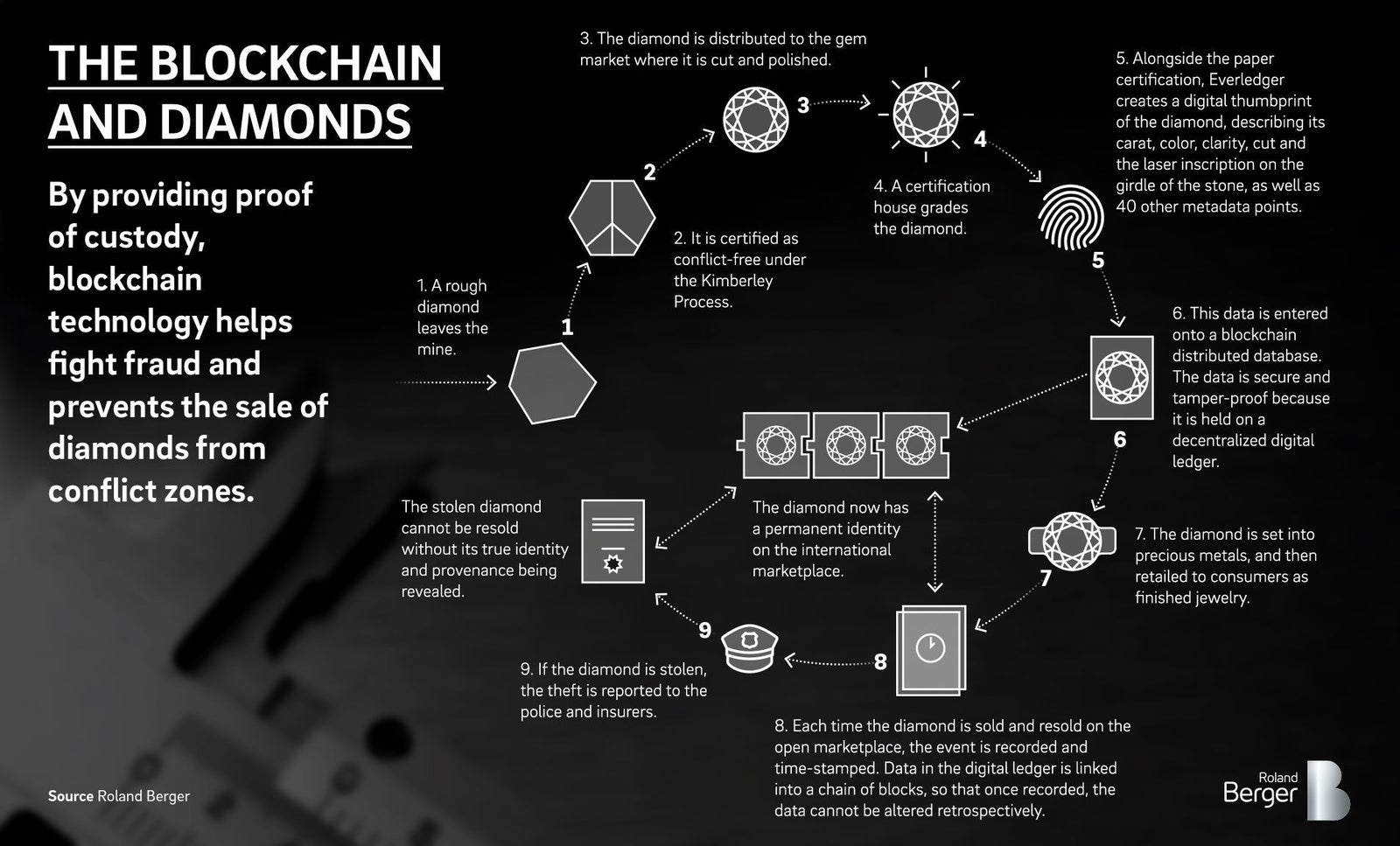
A key technology behind this vision is blockchain, a form of data storage that records blocks of data in chains across a decentralized database. Since its first appearance in 2008 as the technology behind the digital cryptocurrency, the Bitcoin, other blockchain platforms have emerged. According to a report by IBM, 15% of global banks are ready to roll out commercial blockchain products in 2017. Beyond the world of fintech, governments are investigating potential applications such as reducing tax fraud and running elections. What makes blockchain so revolutionary is its potential to remove the middleman. Described as the technology that adds a layer of trust to the internet, it makes possible secure online transactions through a distributed database that records events in time-stamped blocks. With each block in the decentralized digital ledger linked to a previous block, blockchain creates an immutable record of events – once recorded, the data cannot be altered retrospectively. Value can be exchanged more quickly, safely and cheaply.