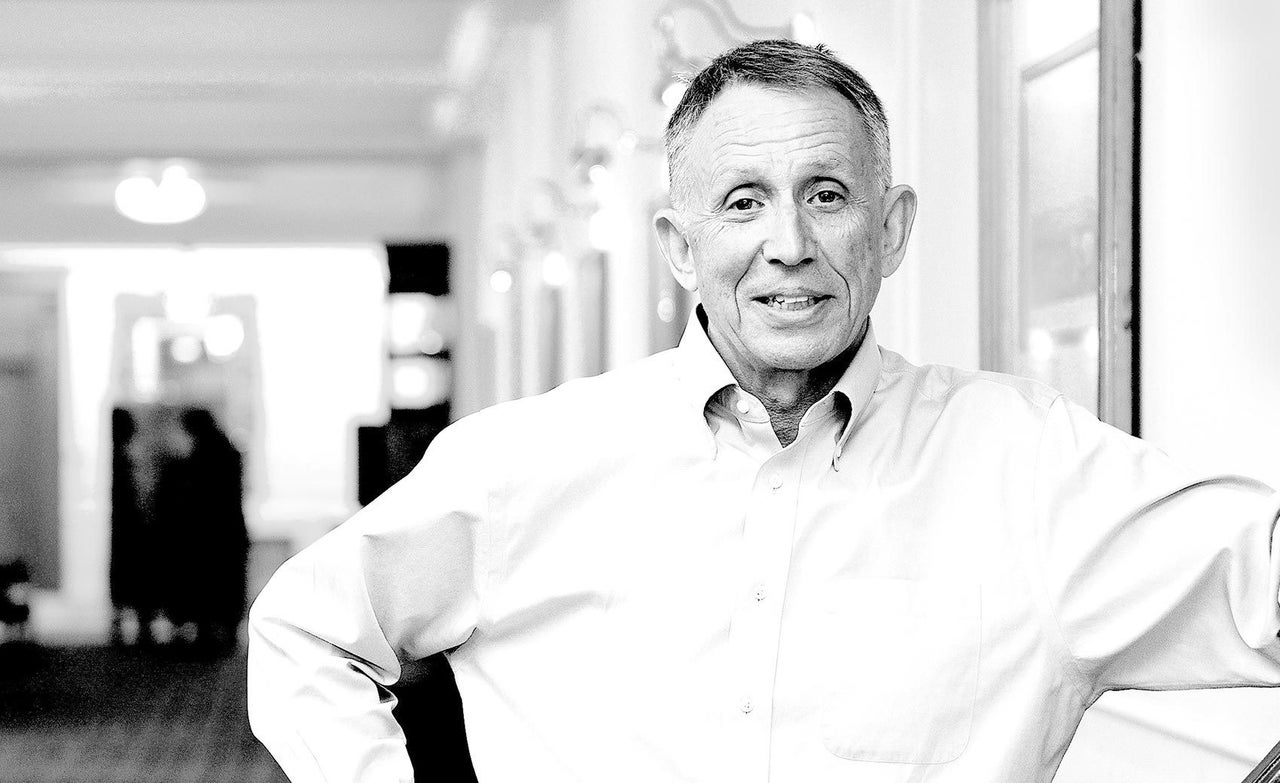
Robert Cialdini says we shouldn’t resist being "pre-suaded". He shares his thoughts on influence, decision-making and how he ended up buying a TV he did not particularly need.
Wether you're selling a product or leading a team, few skills are as useful to an executive as a talent for persuasion. But how does this process actually work? In his groundbreaking book "Influence: The Psychology of Persuasion", social scientist Robert B. Cialdini presented his theory that all ethical persuasion depended on six factors, an idea he supported with reams of peer-reviewed research. When it was published in 1984, sales were slow, but over time, the influence of "Influence" began to build. Thirty-three years later, the book has sold over 3 million copies and Fortune regards it as one of the 75 smartest business books ever written.
Now there’s a sequel: In "Pre-suasion: A Revolutionary Way to Influence and Persuade", Cialdini introduces a whole new way to persuade. He argues that even before you get to his six factors, a process he calls "pre-suasion" may nudge you a little closer to yes. He coined the term to describe factors that predispose a person to feel favorably about a proposition before it is even made. Taking time out from his busy schedule, he met Bennett Voyles on Skype from his office in Tempe, Arizona, and talked about how you can best use and perhaps most importantly, how not to find yourself being used by the power of pre-suasion.