What is the Global South and what drives their economy?
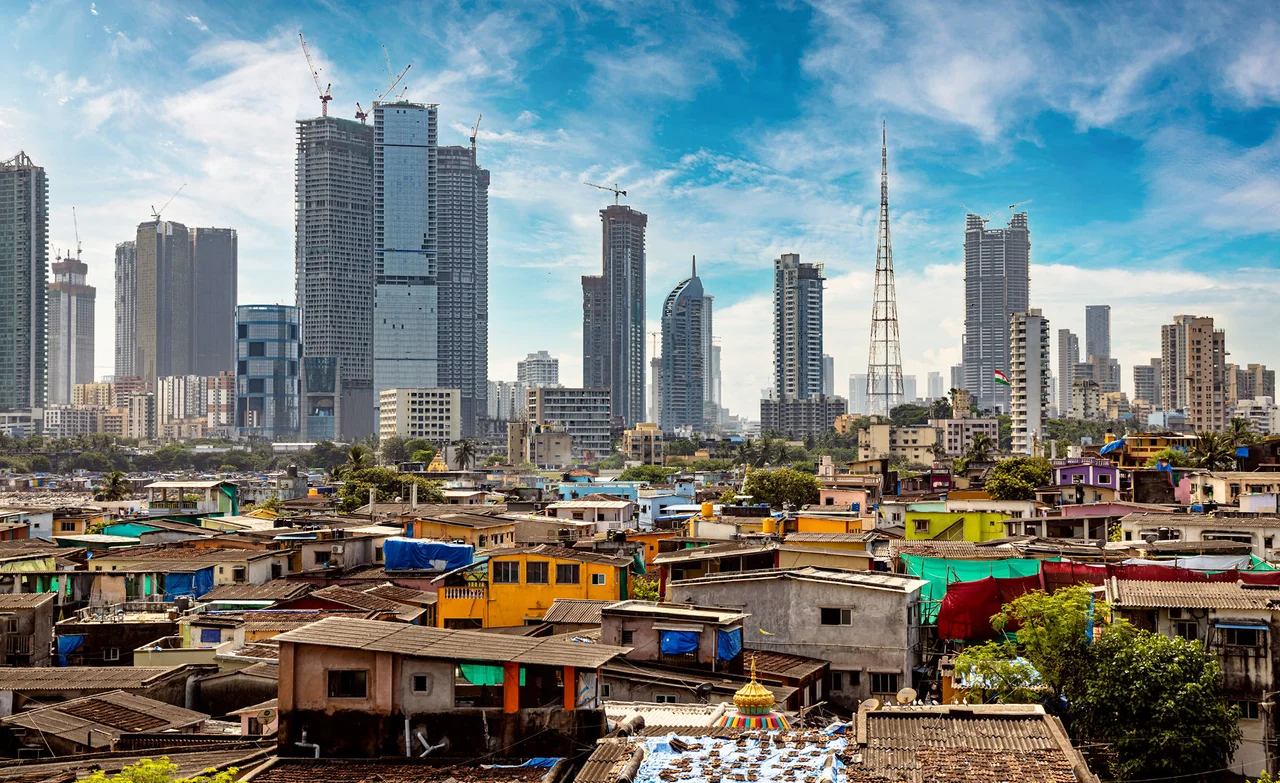
Although not strictly geographical, the Global South represents developing countries in Asia, Africa, and Latin America, in contrast to the advanced economies in the Global North. Since the 1990s, the economies of the Global South have consistently outpaced the GDP growth of the Global North, at times exceeding it by more than threefold before the onset of COVID-19. Notably, contributions of Global South economies to global GDP rapidly expanded from 19% in 1990 to 42% in 2022.
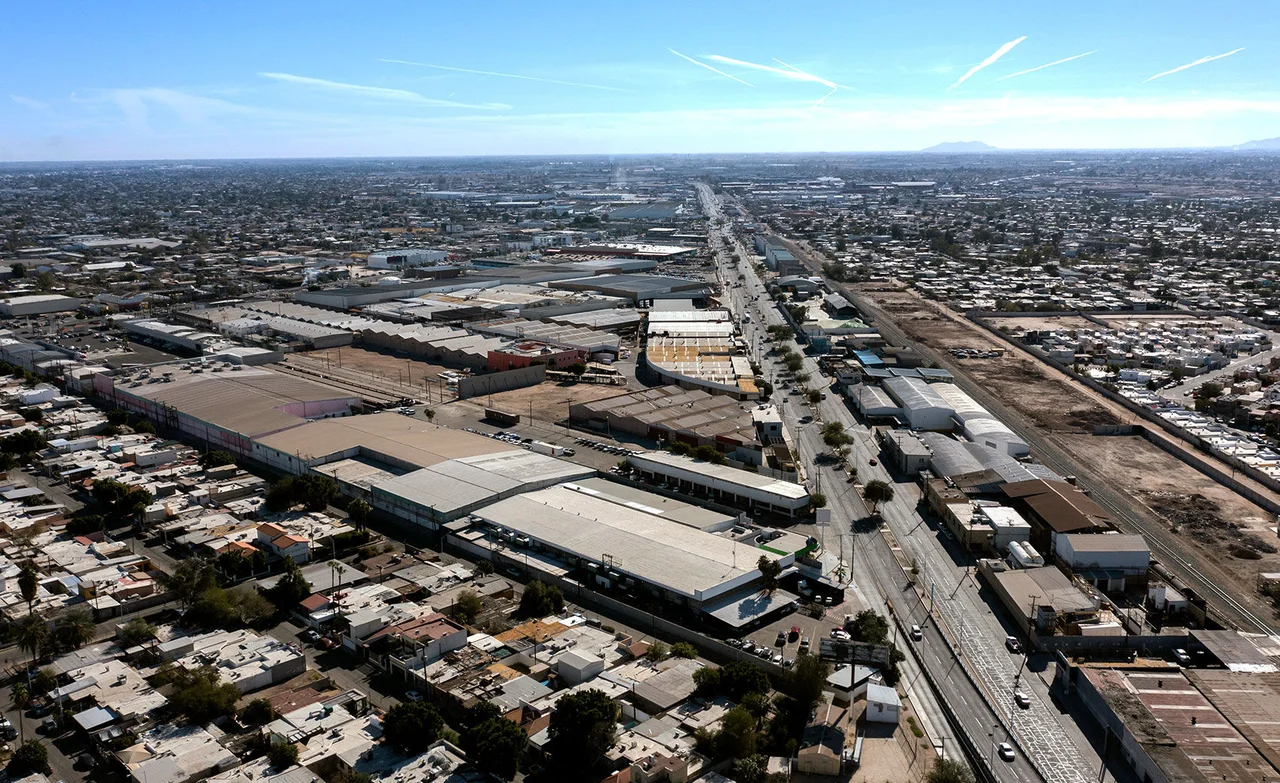
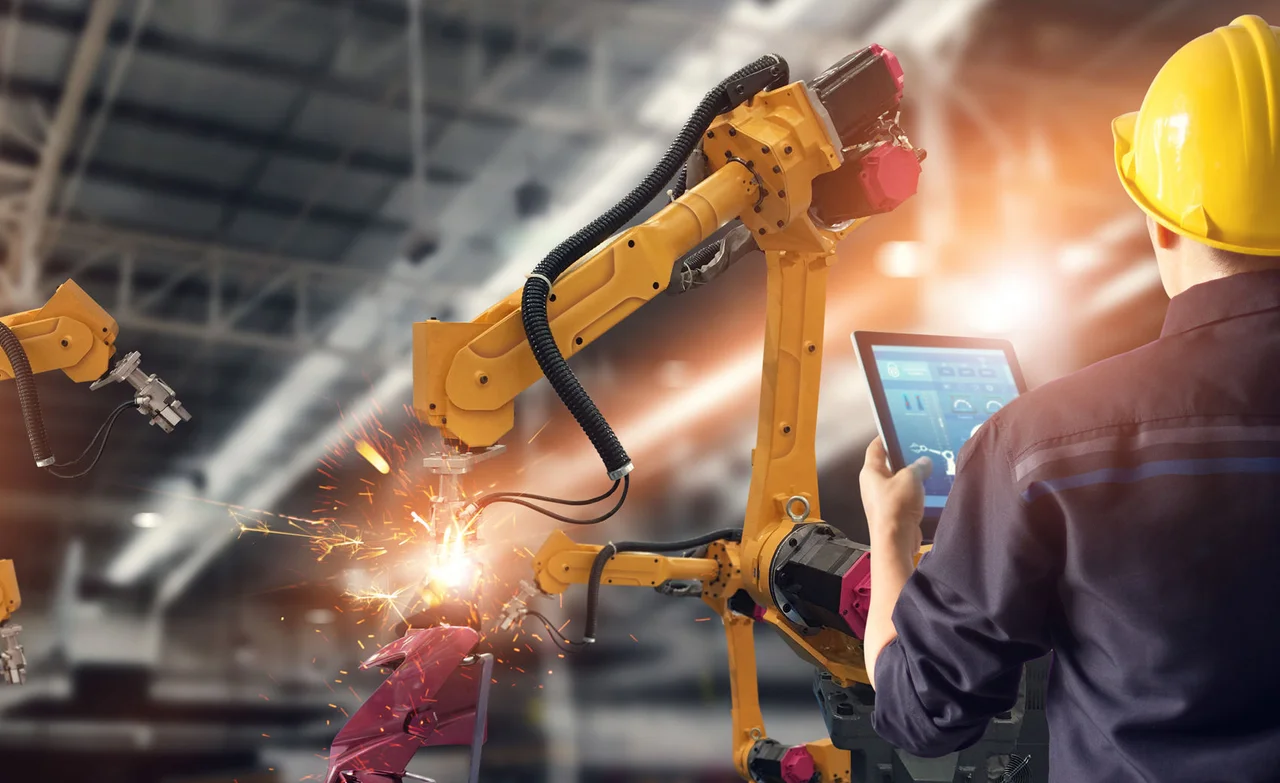
However, the rapid ascent of the Global South can be divided into two distinct trajectories: East Asia and the rest of the Global South. By becoming the world’s workbench, the industrialization of East Asia led the development of the Global Souths’ rapid growth, mainly driven by its strong integration into regional value chains. The remaining countries engage in global value chains mainly by providing natural resources and commodities to the former. This pattern is clearly reflected in global trade, with 25% of global trade in goods being South-South while 21% is South-North. Moreover, 76% of trade in goods consist of manufactured goods in East Asia, while natural resources and commodities account for 77% in Africa and 54% in Latin America and the Caribbean.
As factor costs have increased in East Asia and multinational companies are
diversifying their supply chains
at an accelerated pace since COVID-19, progressively restructuring their suppliers across multiple locations,
infrastructure investment
is once again on the rise, shifting away from China to other locations. Propelled by robust growth in Latin America and the Caribbean, Foreign Direct Investments (FDI) towards the Global South rose by 4%, reaching USD 916 billion in 2022. Nevertheless, East Asia continues to dominate within the group, receiving a 60% share of total FDI inflows.