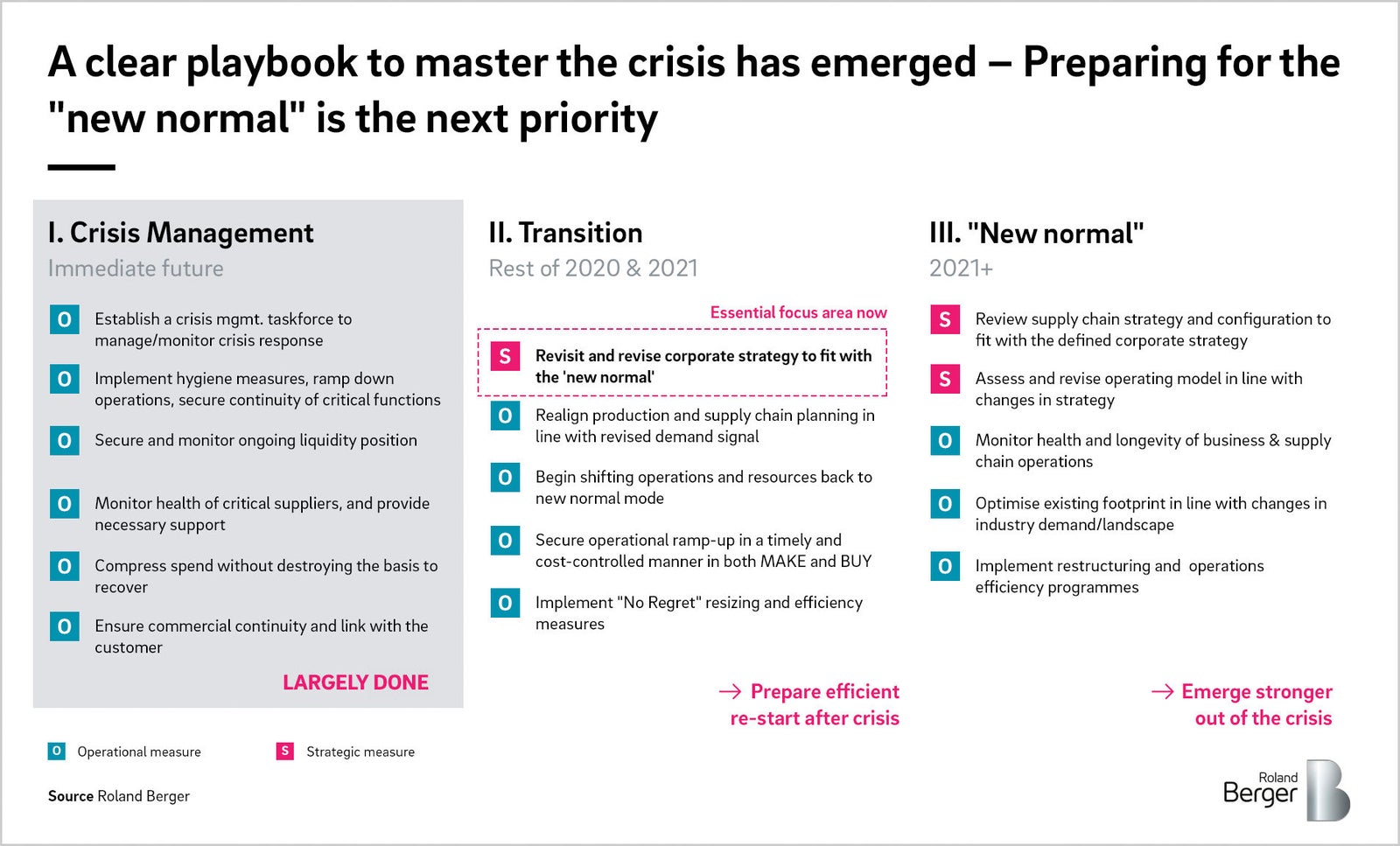
Over the past few weeks and months, most suppliers have managed to secure liquidity, manage their workforce, and undergo an effective production ramp-down.
Next, while companies must of course continue managing the key operational basics – keeping an eye on cash flow, tracking demand signals (such as airline operation continuity announcements and order cancellations) to revise supply chain planning, supporting sub-tier suppliers to remain afloat – it is now time for suppliers to
re-think their strategy
and ensure it is fit-for-purpose in the "new normal".
As an initial step, suppliers should ensure readiness to support their airline customers to ensure aircraft can return to service quickly as and when pockets of demand return – this is essential for the industry to recover and heal.
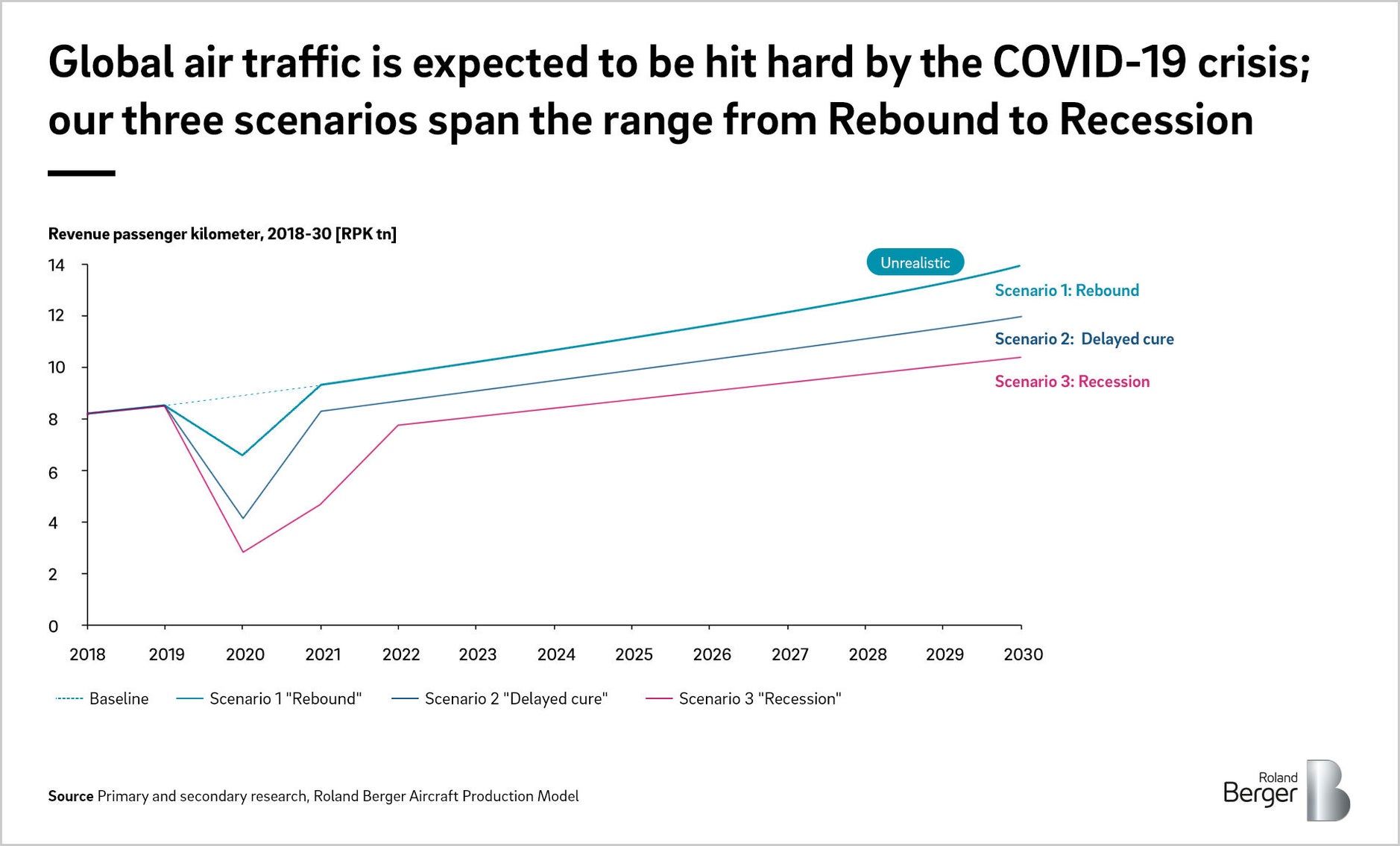
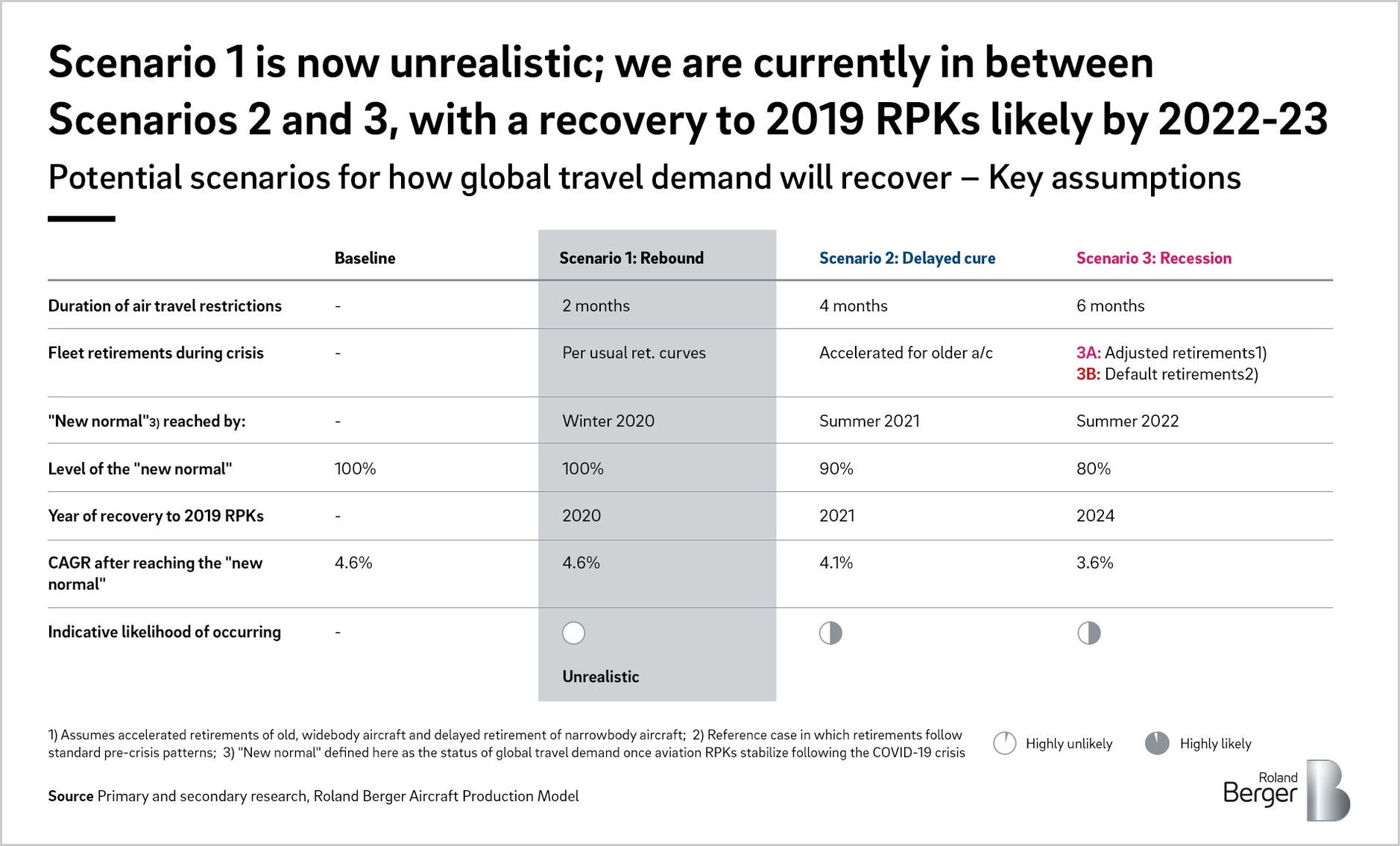
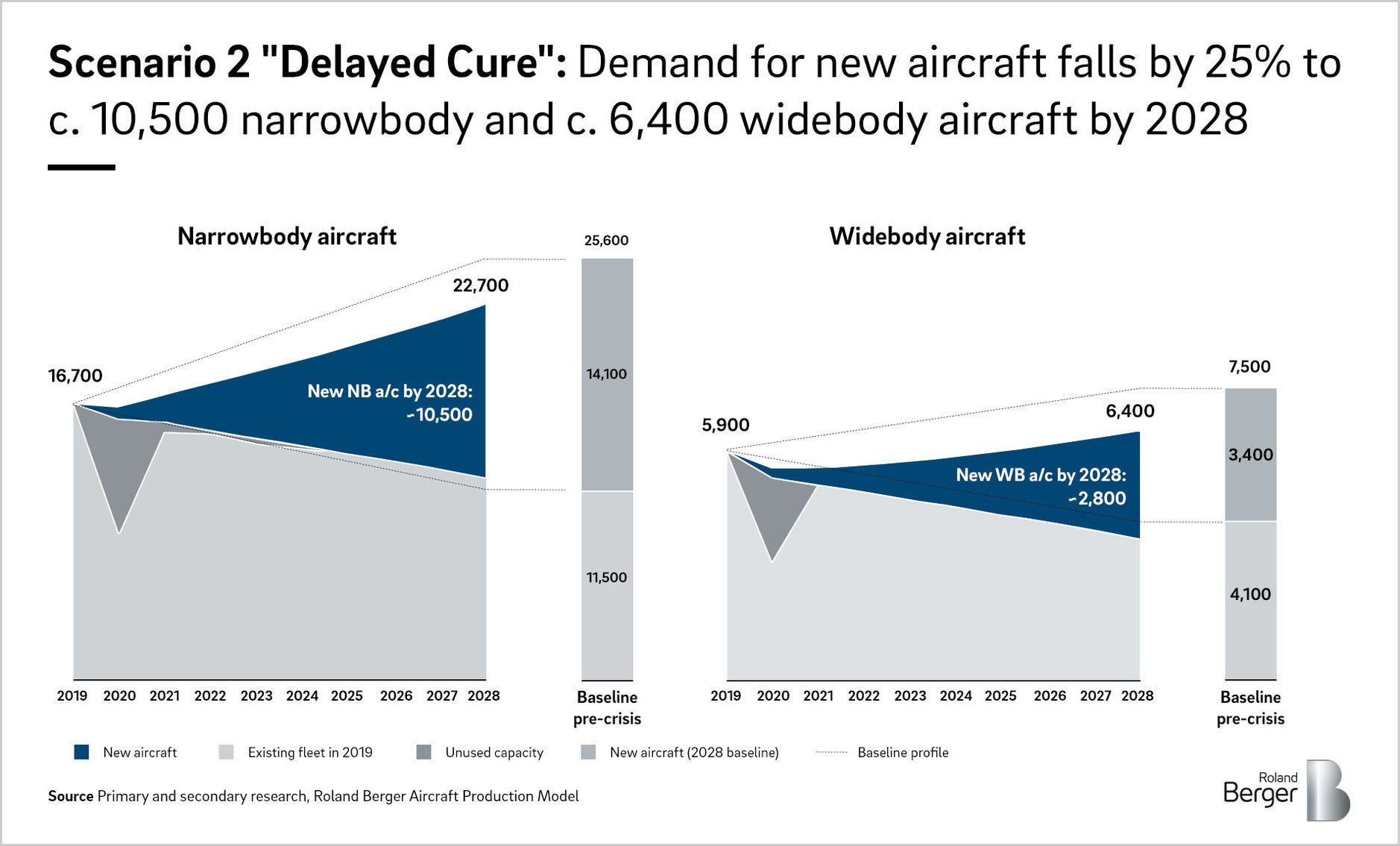
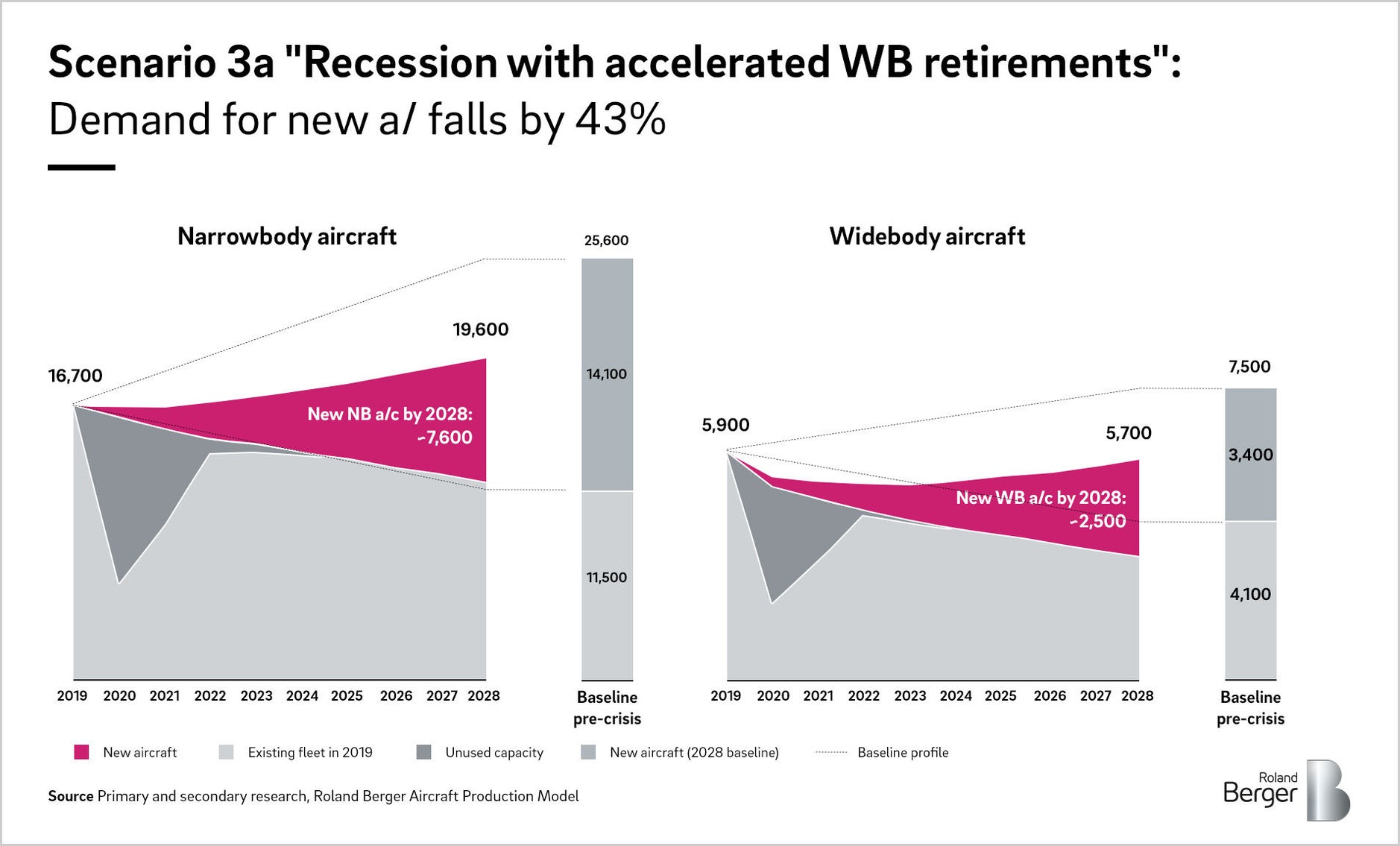
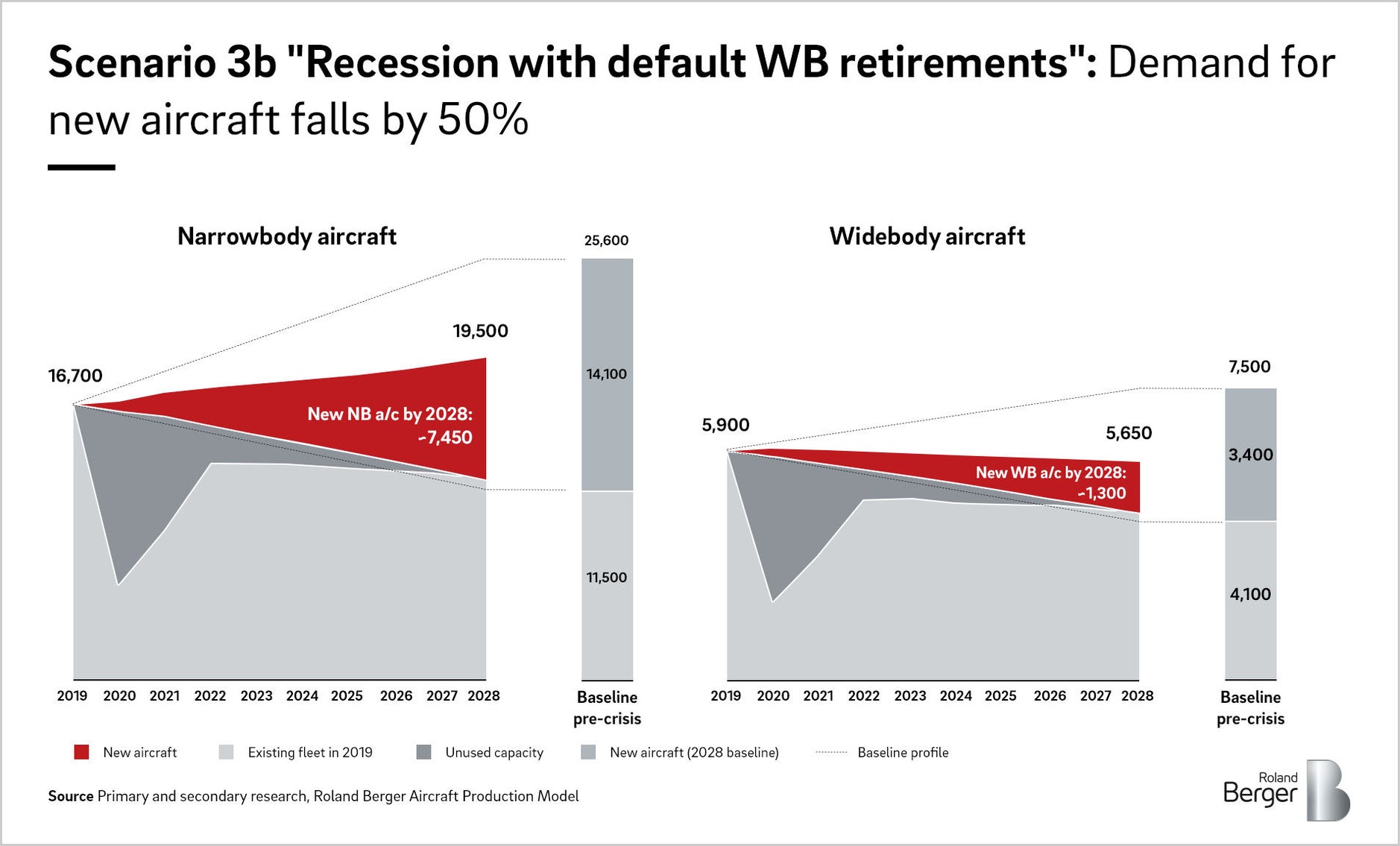
Another major avenue for aerospace suppliers to explore is whether they can influence local and central governments to incentivise faster aircraft retirements. As demonstrated by the distinction between Scenarios 3A and 3B above, an acceleration of aircraft retirements in the near term (to retire relatively old and costly widebodies, for example) partially mitigates the damage to the aerospace sector as OE demand eventually recovers more strongly. This also has potential benefits for the environment also as cleaner new aircraft replace less efficient older aircraft faster than expected. Indeed, a similar scheme was applied to the automotive sector ("Cash for Clunkers") in which governments compensated car owners to retire old cars – something similar in aviation may be a win-win-win for airlines, aerospace manufacturers and the environment, alike.
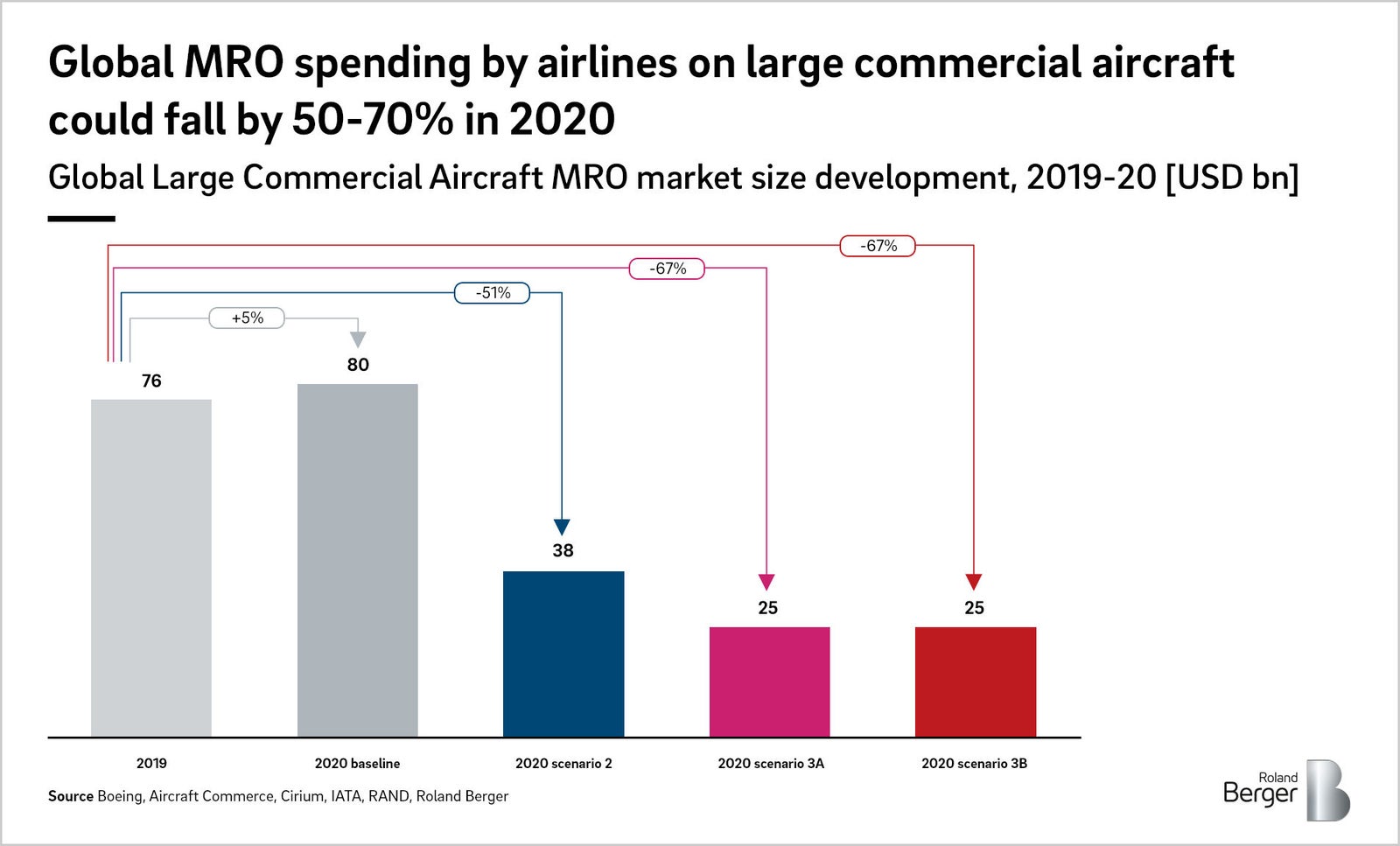
The "new normal" will mean less spending by airlines on both new aircraft and the
aftermarket
– but it will also mean a re-balancing of the aviation fleet, with some platforms losing out more than others. Further, after years of globalisation, Covid-19 is also true shock for the aerospace supply chain, which will offer major structural risks but also opportunities. Companies should thus re-evaluate their product portfolio, breadth of operational capabilities (engineering, service delivery, platform-specific expertise, etc), as well as their manufacturing footprint.
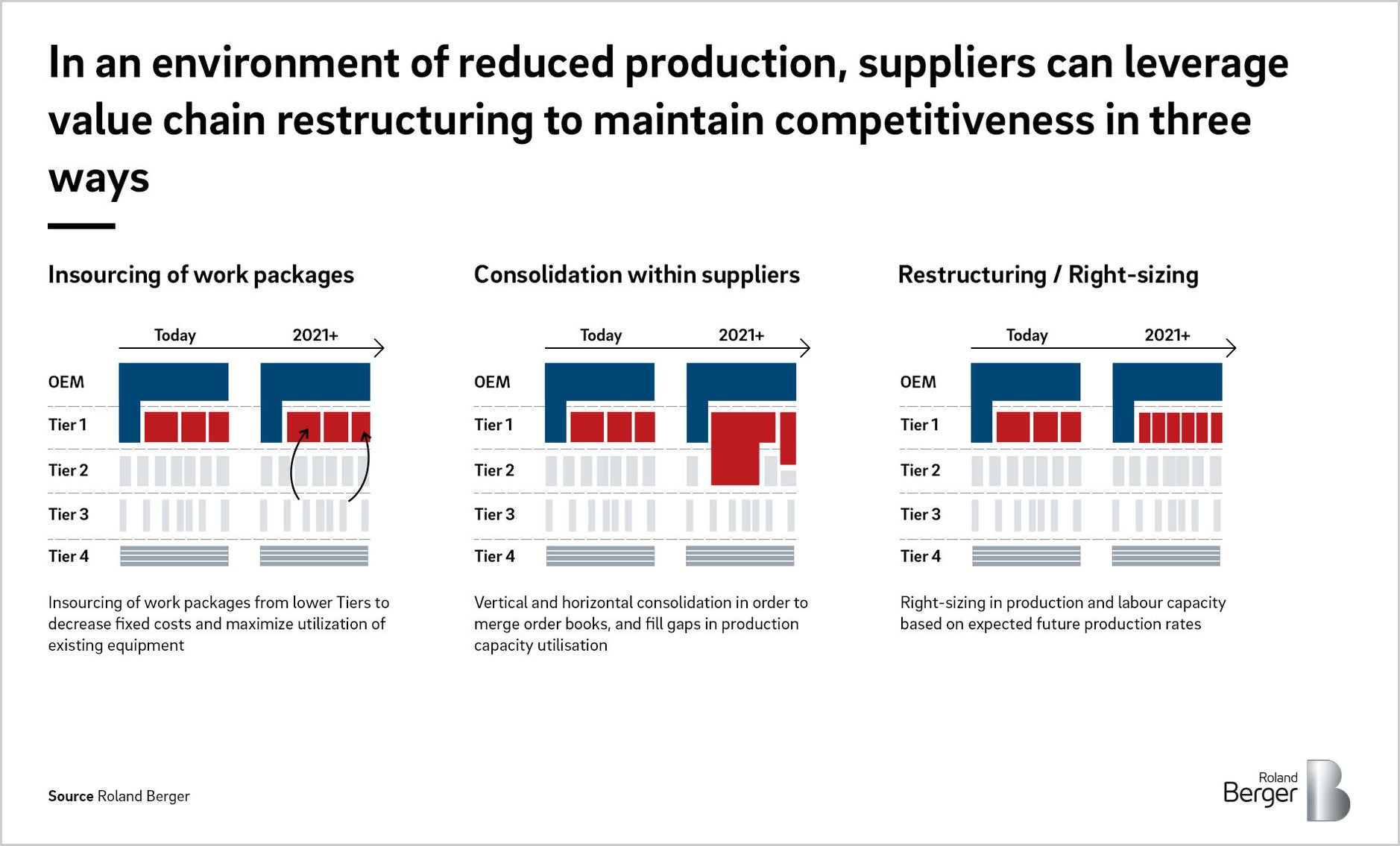
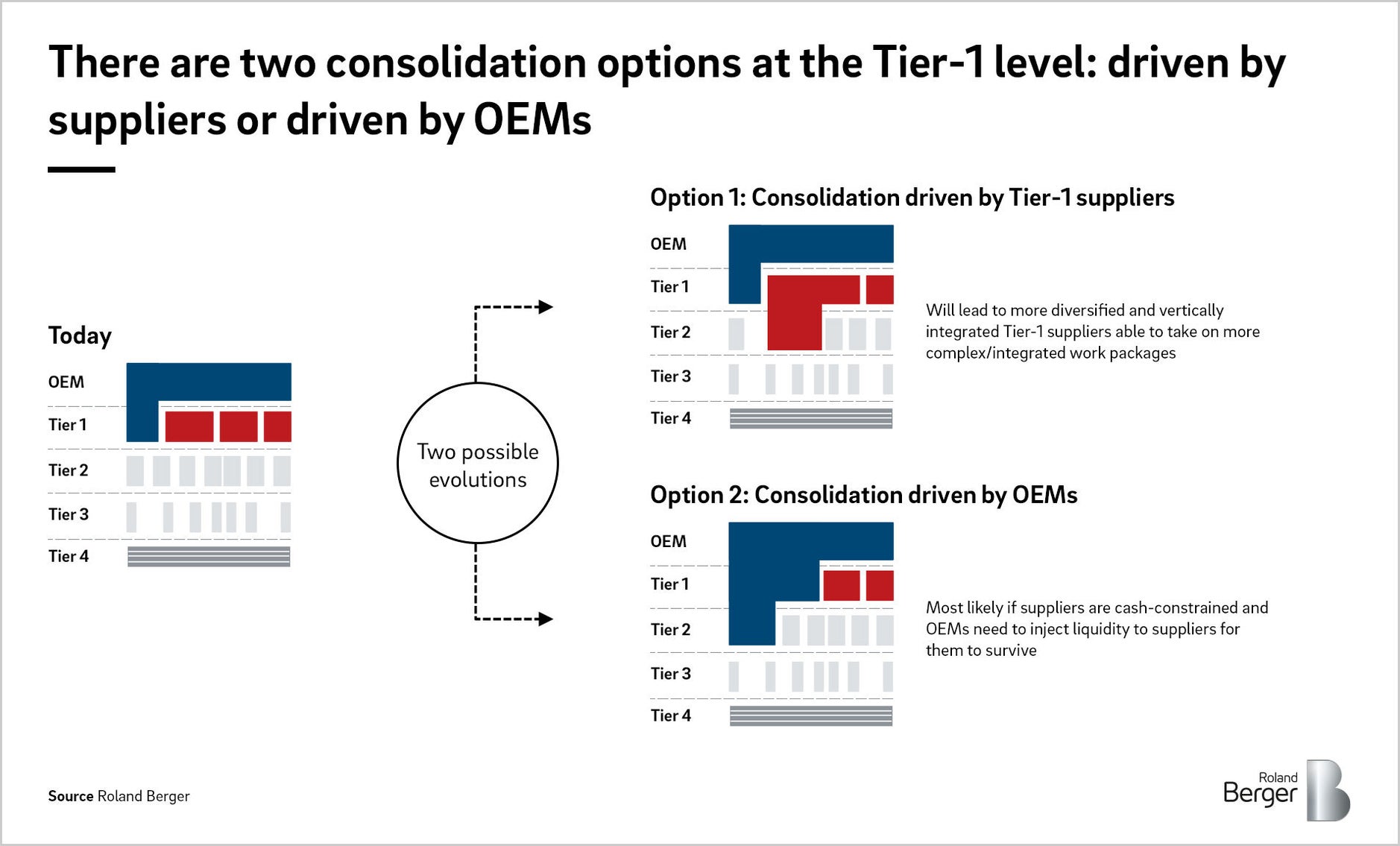
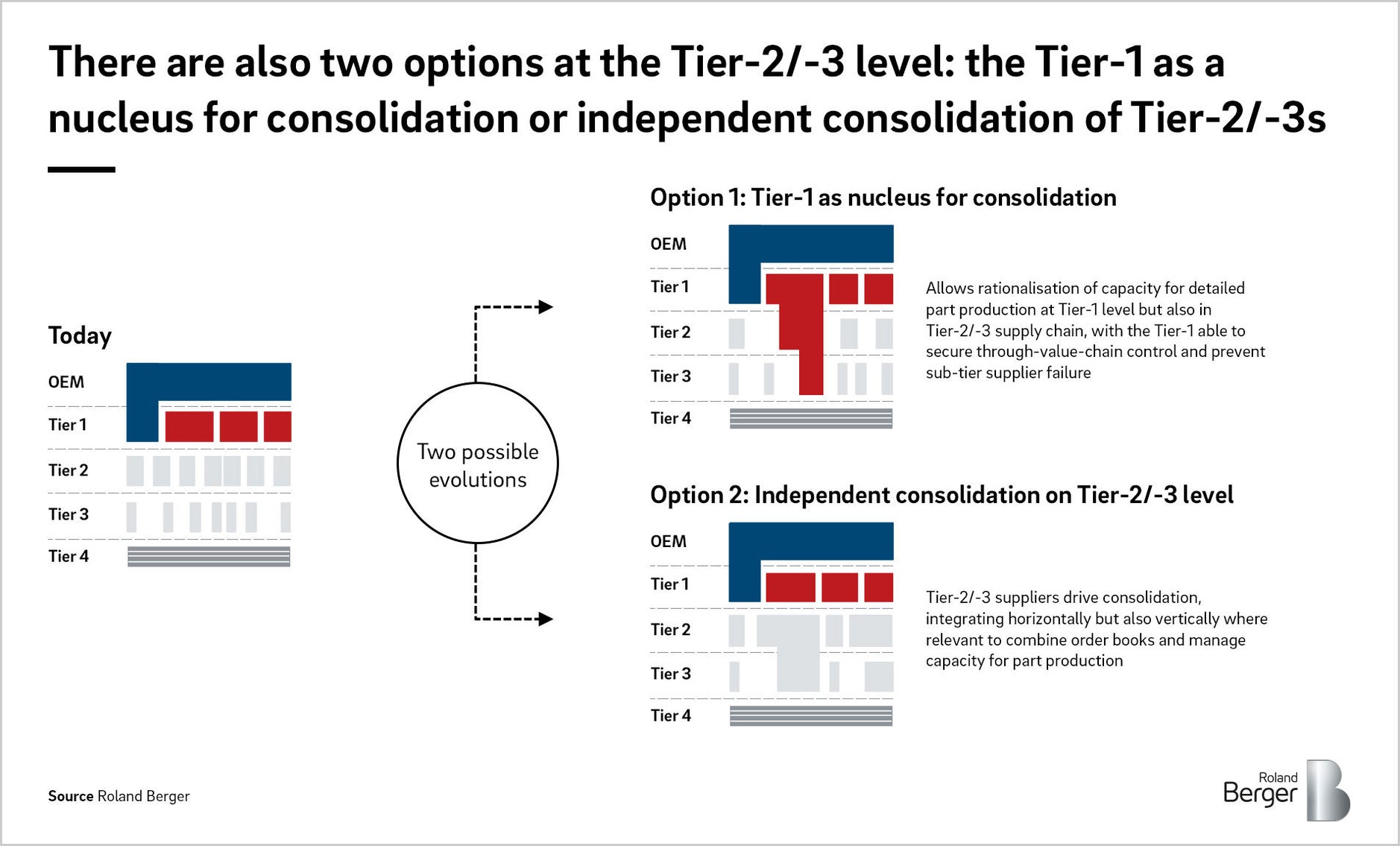
With respect to the supply chain, balancing supply-side over-capacity with reduced order books will necessitate degrees of consolidation, vertical integration and "right-sizing", varying by technology and value chain positioning. There are several distinct ways the structure could evolve, and suppliers must evaluate which is optimal for their business.